

 Phoenix 24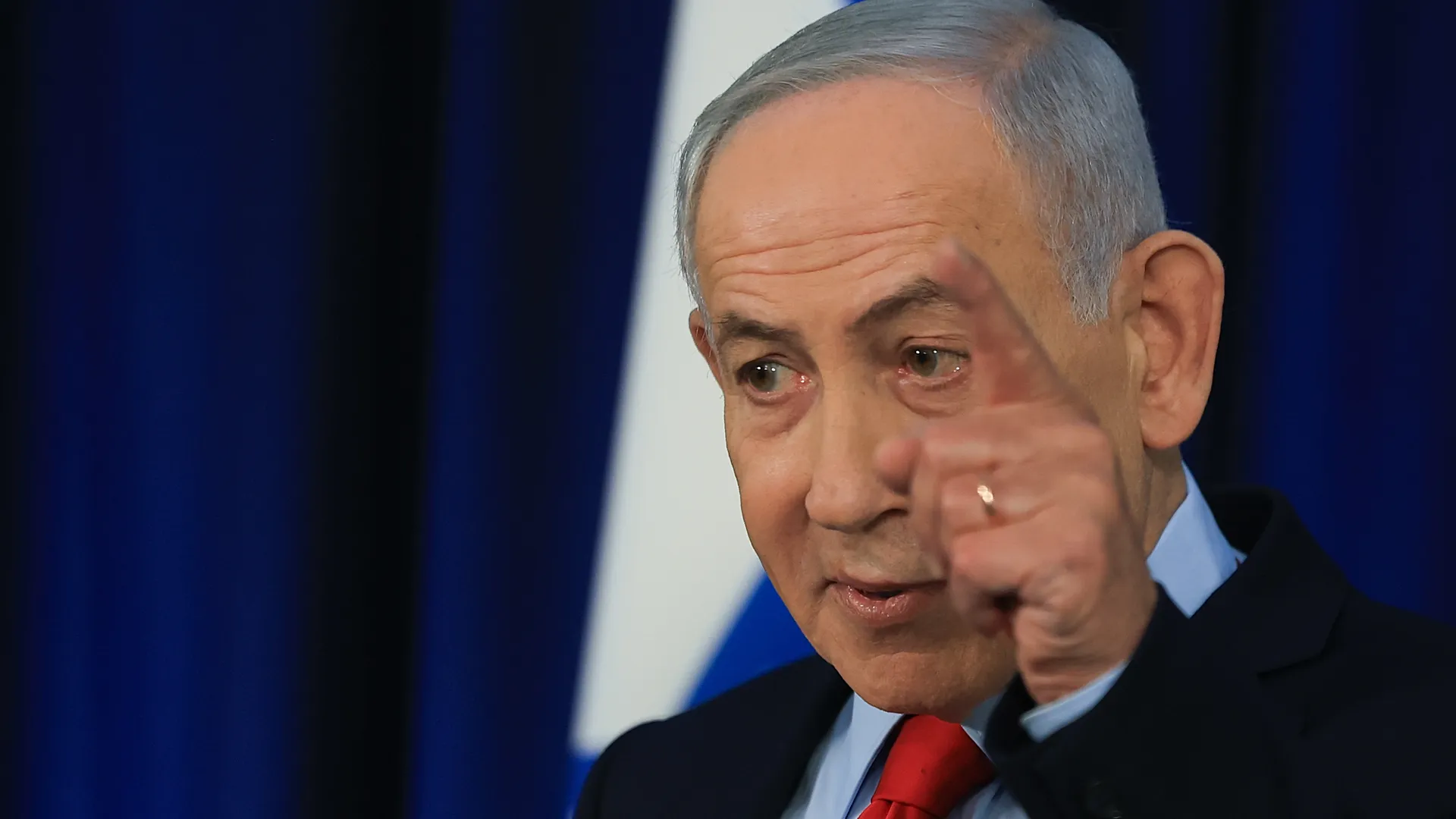
The dispute has moved beyond diplomatic language.
Jerusalem, April 2026
The confrontation between Israel and Spain has moved beyond a low-intensity war of words and into the terrain of open diplomatic coercion. Prime Minister Benjamin Netanyahu accused Madrid of waging a diplomatic war against his government and warned that Spain would pay a price, in remarks that marked a new deterioration in bilateral ties. The statement came after Israel excluded Spanish representatives from a multinational mechanism linked to the ceasefire’s implementation and humanitarian coordination around Gaza, a move that can no longer be read as a technical disagreement but as a political reprisal designed to impose a cost. Strategically, the dispute is no longer only about Gaza. It is about whether a European partner can publicly condemn Israeli military conduct without being punished institutionally.
Netanyahu’s threat did not emerge in isolation. In recent days, Pedro Sánchez again called on the European Union to suspend its association agreement with Israel and sharpened his criticism by denouncing what he described as flagrant violations of international humanitarian law, while also insisting that Lebanon should not be excluded from any broader regional de-escalation framework. Spain has therefore become one of the most uncomfortable European capitals for Tel Aviv, not because it can alter the battlefield directly, but because it is attempting to translate moral condemnation into concrete multilateral pressure inside the European Union. That is the core of Israel’s anger. Spain is no longer acting merely as a critical voice. It is positioning itself as a possible catalyst of diplomatic costs.
From a power-politics perspective, the Israeli response is meant to send a message far beyond Madrid. By removing Spanish officials from a coordination structure tied to Gaza and pairing that decision with language of immediate punishment, Netanyahu is not only answering Sánchez. He is also signaling to other European actors that stronger criticism of Israel may trigger exclusion from the spaces where the architecture of the postwar phase will be negotiated. The implicit message is clear: any government that challenges Israel’s operational legitimacy or seeks to restrict its room for maneuver risks being cut out of the forums where influence over the day after is allocated. In that sense, Tel Aviv is trying to turn post-conflict management into an instrument of political alignment.
For Spain, the clash has both a domestic and a continental dimension. At home, Sánchez’s harder line on the war has found resonance among sectors of public opinion, which reduces the political incentive to retreat under pressure. At the European level, Madrid is trying to occupy a space that many other capitals still approach with greater caution: that of a middle power seeking to use international legality as an instrument of real leverage rather than declarative symbolism. Yet that strategy carries visible risks. The more Spain distinguishes itself as a dissident actor inside the broader Western bloc, the more vulnerable it becomes to diplomatic isolation and to being portrayed by Israel as an unreliable partner in any future reconstruction or governance framework linked to Gaza.
The most important aspect of this episode, however, is not the verbal exchange itself but what it reveals about Europe’s shifting diplomatic map in relation to the Middle East. For years, many European governments tried to preserve a dual posture of limited rhetorical criticism alongside uninterrupted structural cooperation. The Netanyahu Sánchez clash suggests that this ambiguity is becoming harder to sustain, because the war is narrowing the room for low-cost nuance and because Israel appears increasingly willing to treat European criticism not as disagreement among allies but as strategic hostility. If that logic hardens, Spain may become the test case for a new phase in which condemning Israeli conduct no longer functions as a symbolic moral gesture, but as a position that carries exclusion, pressure, and open retaliation.
Behind every fact, there is an intention. Behind every silence, a structure.