

 Phoenix 24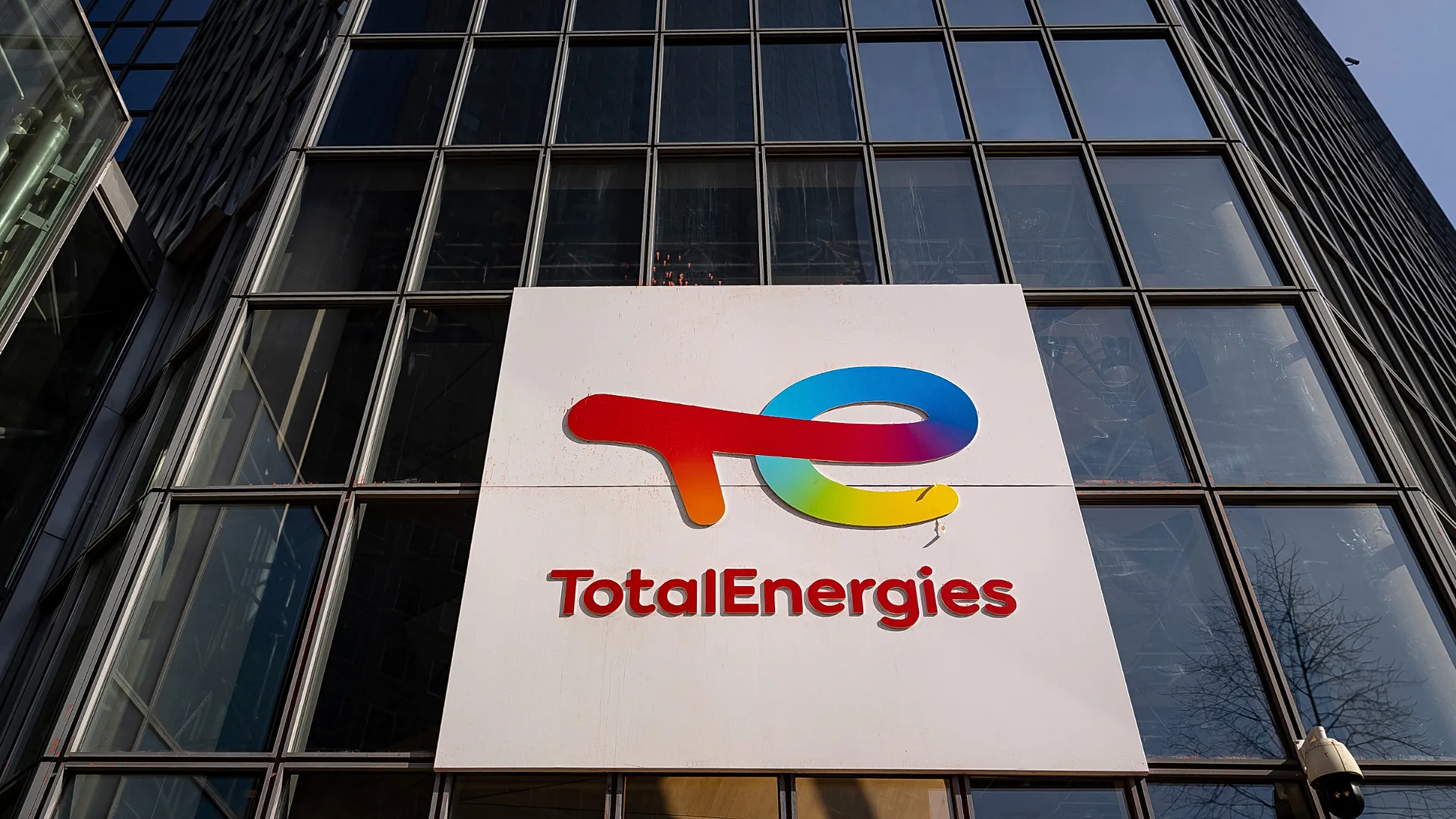
In the oil market, volatility also rewards the fastest nerve.
Paris, March 2026
TotalEnergies is reported to have made around one billion dollars from a high-risk bet on Middle Eastern crude as war disruptions reshaped the energy market. The scale of the gain matters not only because of the number itself, but because of what it reveals about the logic of wartime trading. When shipping routes tighten, supply is stressed, and regional conflict distorts flows, the companies that move fastest can turn instability into exceptional profit. In moments like this, geopolitics stops being background noise and becomes a balance sheet accelerator.
The French energy giant appears to have dominated a significant portion of March trading in the regional crude market, buying aggressively while others hesitated or recalculated. That kind of position taking is not simply a matter of financial opportunism. It reflects a deeper corporate capacity to read dislocation before the broader market fully digests it. TotalEnergies did not create the crisis, but it seems to have understood earlier than many competitors how to monetize the disorder it produced.
What makes the episode especially revealing is the strategic environment in which it unfolded. The war around Iran has already damaged infrastructure, intensified pressure around the Strait of Hormuz, and pushed energy prices higher across the global system. In that context, every cargo, every route, and every pricing benchmark carries amplified significance. A company able to buy and place barrels at the right moment is no longer just trading oil. It is navigating the fault lines of an armed regional order.
There is also a harder truth beneath the headline. Energy markets do not merely suffer from war. They are reorganized by it, and some actors are structurally better positioned to benefit from that reorganization than others. Large firms with trading muscle, logistics reach, and tolerance for geopolitical exposure can capture gains that smaller players or more cautious buyers cannot. The result is a system in which conflict does not simply destroy value. It redistributes it upward and outward to those most capable of operating inside instability.
For Europe, the story carries an additional layer of tension. TotalEnergies is not just another global oil major. It is one of the continent’s most important energy companies, operating at the intersection of corporate strategy, energy security, and European political sensitivity. That means the reported windfall is likely to be read in two opposing ways. On one side, it signals agility, market intelligence, and corporate strength. On the other, it sharpens the moral discomfort of seeing a European energy champion thrive while a regional war pushes up costs, insecurity, and strategic anxiety.
The broader market context reinforces that discomfort. Higher oil prices have already lifted energy shares and deepened fears about inflation, shipping disruption, and renewed economic strain. At the same time, the very violence that creates these openings is making the Middle East a more dangerous environment for long term energy investment. The paradox is stark. War can generate short term trading gains even as it erodes the long term attractiveness of the same region that made those gains possible.
What this episode finally shows is that modern energy power is not only about production or reserves. It is also about who can interpret chaos faster than everyone else. TotalEnergies appears to have done exactly that, converting regional shock into commercial advantage before the market fully stabilized around a new risk reality. In the current oil order, the winning company is not always the one with the most barrels. It is often the one most prepared to profit while the map is still burning.
Phoenix24: journalism without borders. / Phoenix24: periodismo sin fronteras.