

 Phoenix 24
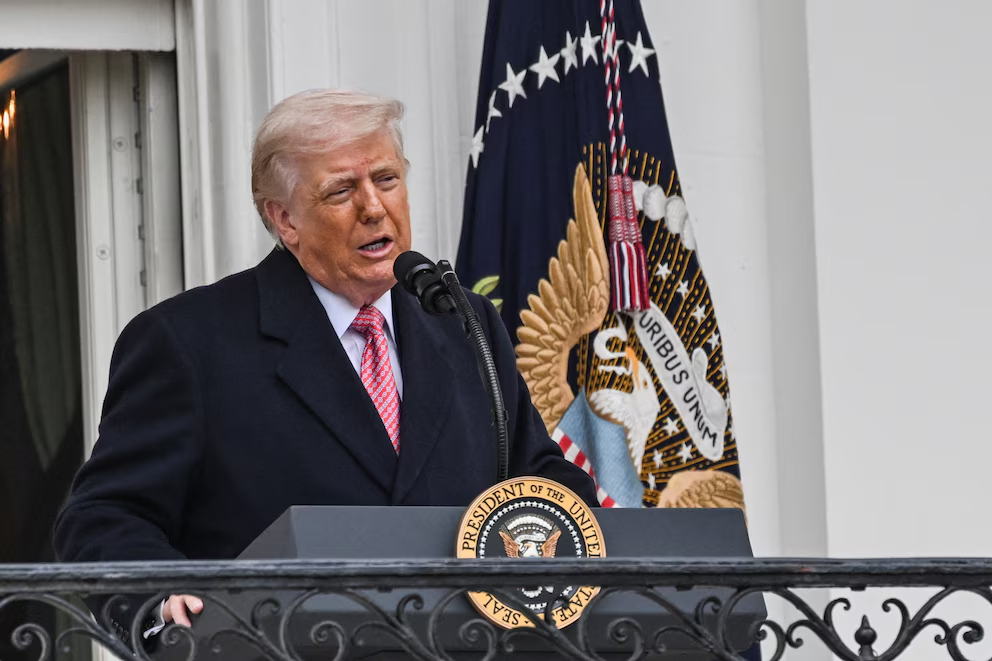
Rural support now comes packaged as spectacle.
Washington, March 2026
The launch of OnlyFarms is not simply an agricultural information portal. It is a branding exercise designed to convert farm policy into cultural theater, complete with a suggestive name, a White House rollout and a message aimed as much at political identity as at rural economics. The administration presented the site as a digital hub for its agricultural agenda and used the launch to highlight actions tied to lending, emissions guidance and biofuel rules. What matters is not only the policy content, but the way it was staged. The platform was built to signal political style as much as practical support.
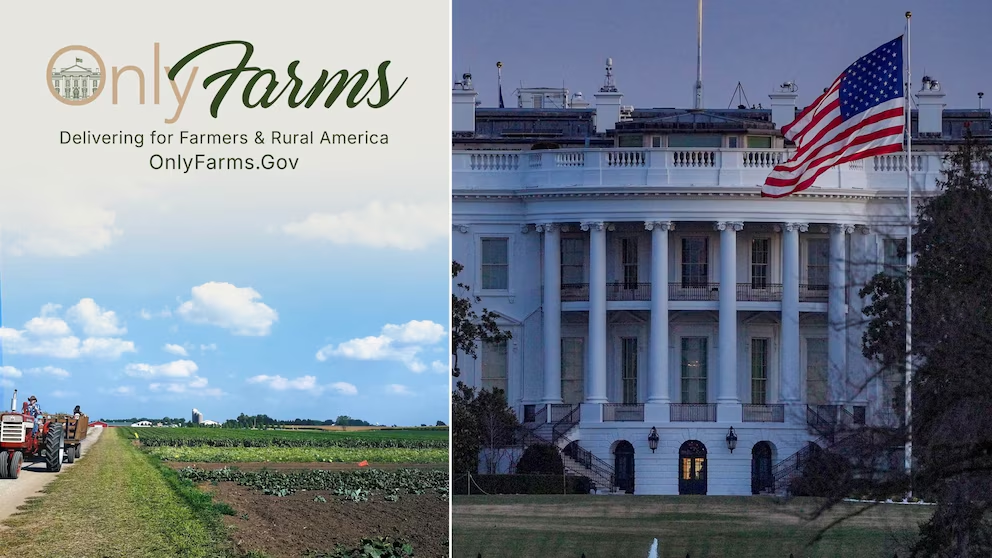
What makes the site notable is not only that it exists, but how it was named and introduced. The obvious play on a much more famous digital brand pushed the portal instantly into the logic of meme politics, where government messaging competes not just for attention but for viral recognizability. That move generated immediate friction, including criticism from figures on the right who viewed the branding as inappropriate or unserious. In other words, the website arrived already carrying the controversy it was designed to exploit. The provocation was part of the rollout, not an accidental side effect.
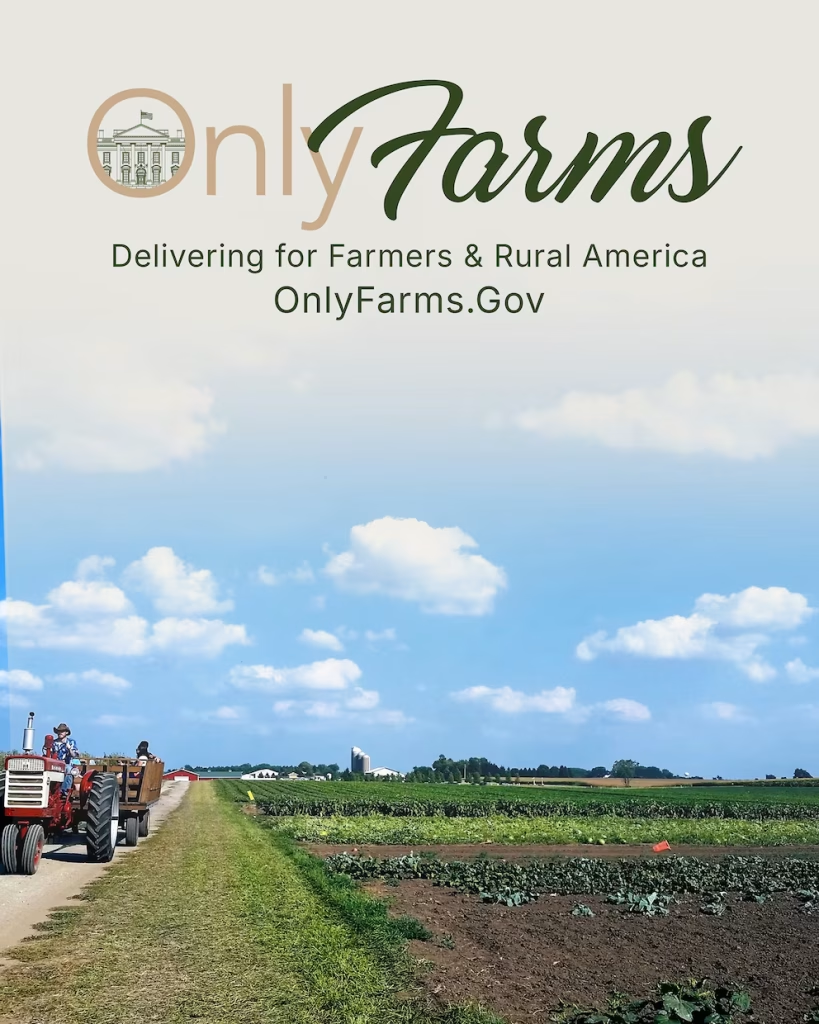
The policy layer underneath the branding is more serious than the name suggests. The platform is meant to translate technical policy into a more emotionally legible political message for farmers, including claims about financial relief, regulatory flexibility and sector support. That gives the site a dual purpose.
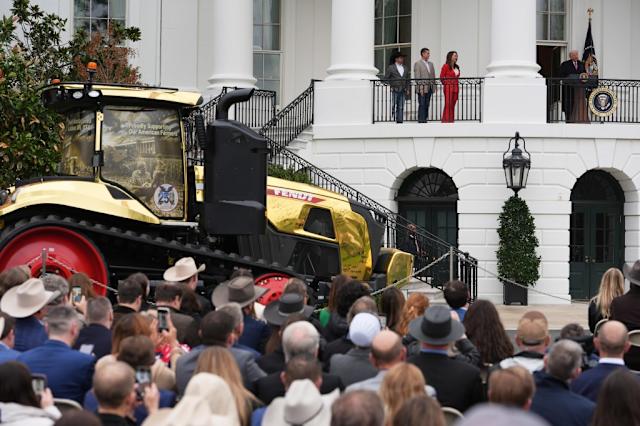
It is both a communications tool and an instrument of political reassurance for a constituency under pressure. The government is not only trying to inform farmers; it is trying to make them feel visibly prioritized.
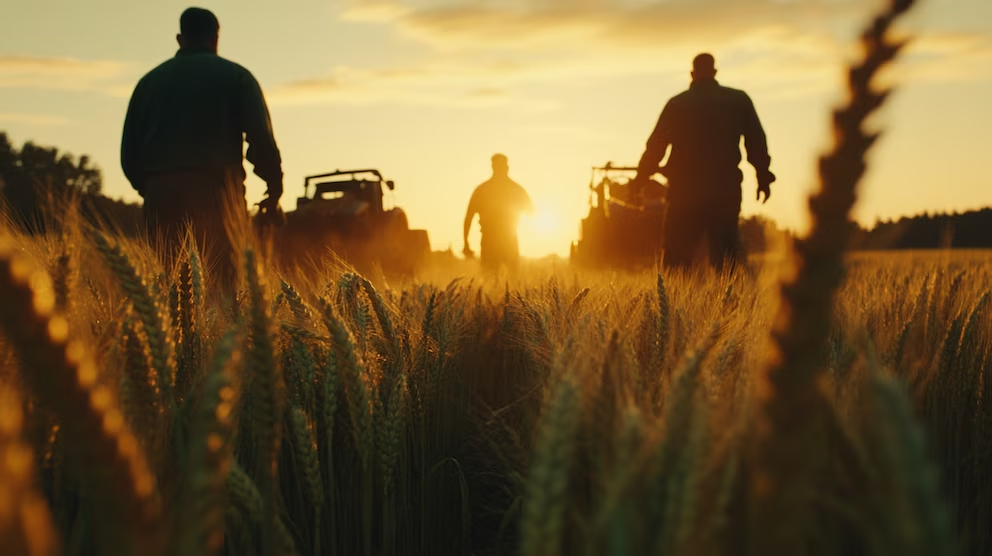
There is also a harder political context behind the rollout. Farmers are operating under stress linked to input costs, trade instability and broader geopolitical shocks that affect energy, transport and agricultural planning. In that environment, a digital portal can help centralize information, but it can also function as symbolic compensation for deeper structural anxieties. A highly branded site may dominate conversation for a day. It does not automatically solve the economic tension weighing on the sector it claims to defend.

That is why OnlyFarms matters beyond the joke built into its name. It shows how agricultural policy is now being folded into the same attention economy that governs culture-war messaging, campaign theater and identity branding. The state is not only promising relief to farmers. It is packaging that promise in a format designed to seize conversation before the substance is fully tested. In that sense, OnlyFarms is less a website than a political delivery mechanism.
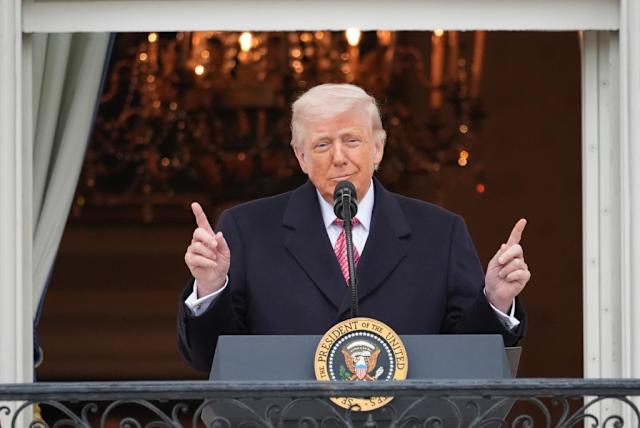
The deeper question is whether this kind of messaging actually strengthens the agricultural sector or merely strengthens the administration’s claim to be seen defending it. The answer will depend on whether farmers experience the announced measures as material relief rather than digital symbolism. But one thing is already clear. The portal was built not only to inform, but to perform. And in the current political climate, performance is rarely separate from policy.
Detrás de cada dato, hay una intención. Detrás de cada silencio, una estructura.
Behind every datum lies an intention. Behind every silence, a structure.