

 Phoenix 24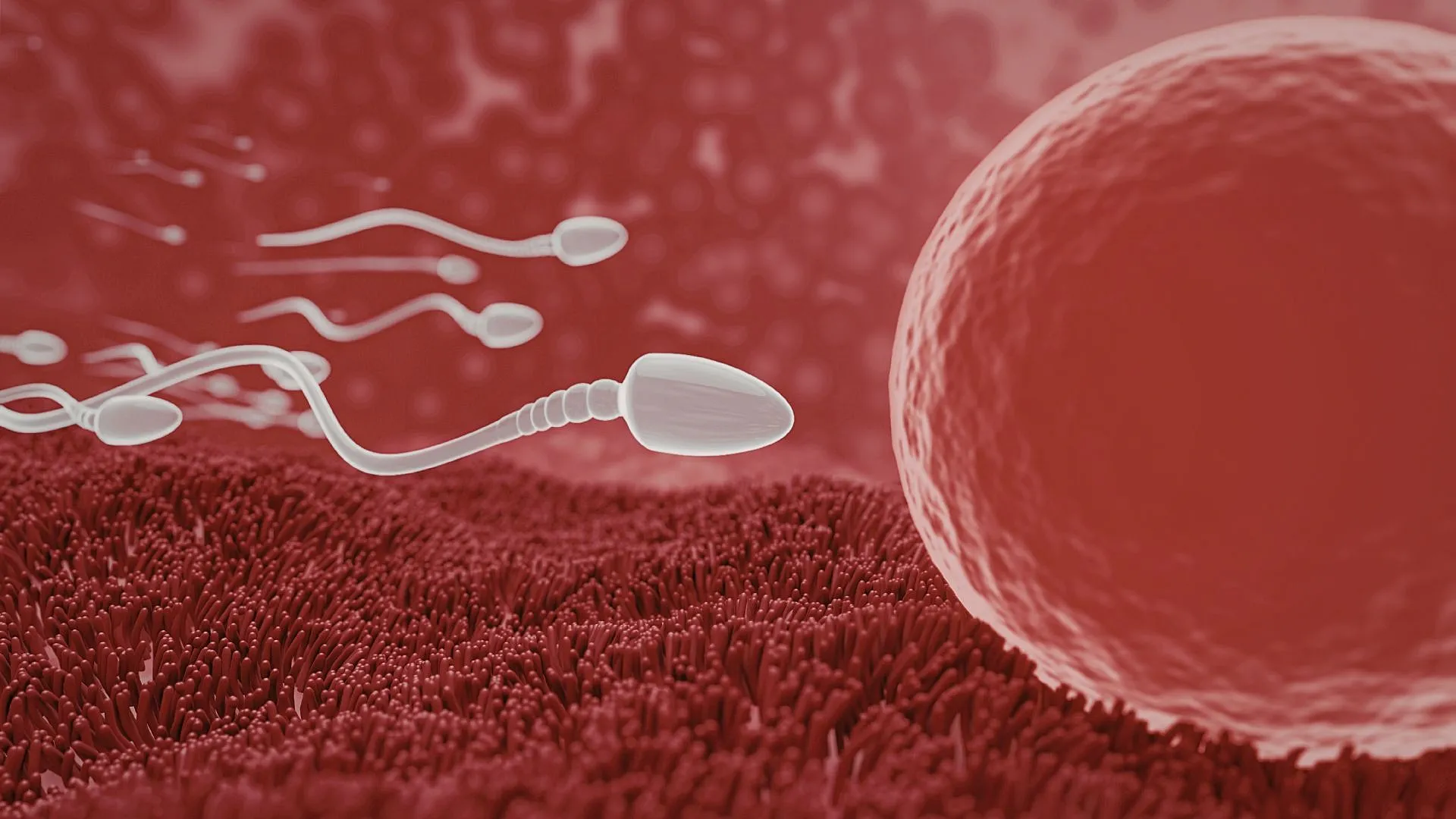
Sperm quality may depend on freshness, not abstinence.
Oxford, March 2026.
A new scientific review is reinforcing the idea that more frequent ejaculation may improve certain aspects of male fertility, particularly by reducing sperm DNA damage associated with prolonged storage. The findings challenge a long standing assumption in reproductive medicine, where longer abstinence has often been encouraged before semen analysis in order to increase sperm count and volume.
What makes the study important is that it shifts attention from quantity to quality. A longer period without ejaculation can raise semen volume and sperm concentration, but that does not necessarily mean better reproductive potential. According to the review, extended abstinence tends to be associated with greater oxidative stress, higher sperm DNA fragmentation and lower motility, all of which may reduce the functional quality of sperm.
The biological logic behind this is relatively straightforward. Sperm cells are especially vulnerable to molecular damage and have limited capacity for repair. The longer they remain stored, the more likely they are to accumulate oxidative stress that can affect their integrity. More frequent ejaculation may help by reducing that storage time and allowing newer sperm to predominate.
The significance of this idea extends beyond lab measurements. Some clinical findings suggest that shorter abstinence periods may be linked to better pregnancy outcomes in assisted reproduction settings. That does not mean frequent ejaculation is a universal solution, but it does indicate that the older assumption that longer abstinence is always better may be too simplistic.
At the same time, the study should not be read as a miracle formula. Male fertility depends on many factors, including age, general health, hormone balance, lifestyle, smoking, alcohol use, sleep, body weight and underlying reproductive conditions. Ejaculation frequency is only one variable within a much broader biological picture.
What this research does suggest is that men trying to conceive may benefit from rethinking the idea that saving sperm automatically improves fertility. In many cases, the opposite may be true. Fresher sperm may matter more than larger quantity, especially when DNA integrity becomes central to conception and embryo development.
The broader lesson is one of clinical nuance. Fertility is not only a matter of producing more sperm. It is also a matter of preserving better sperm. That distinction may seem small, but it changes how male reproductive health is understood.
Phoenix24: claridad en la zona gris. / Phoenix24: clarity in the grey zone.