

 Phoenix 24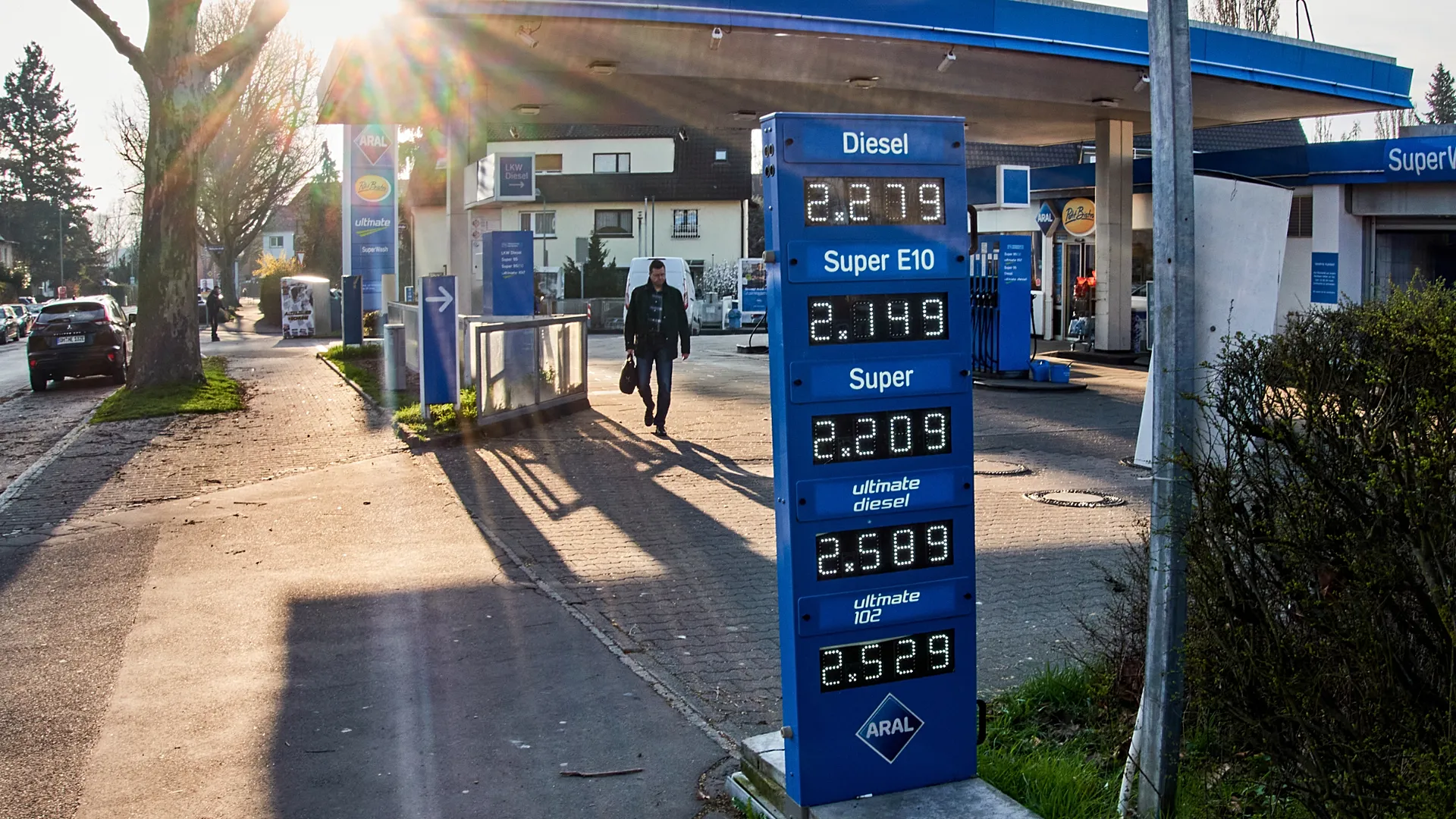
Drivers pay more while governments collect more.
Brussels, March 2026
The latest jump in petrol prices across Europe is exposing a familiar but politically sensitive paradox: as consumers pay more at the pump, governments often end up collecting more in tax revenue. The effect has become more visible again as the war in the Middle East pushes oil prices higher and forces households to absorb the immediate cost of a shock they did not create.
The core of the paradox lies in how fuel taxation works. In many European countries, the price paid by drivers includes a mix of excise duties, value-added tax and, in some cases, carbon-related charges. When underlying fuel prices rise, the tax take can also increase, especially where part of the final cost is linked proportionally to the retail price. That means the same crisis that weakens household purchasing power can also improve state revenue flows.
The tension is particularly sharp in countries with structurally high fuel taxation. In those cases, higher energy taxes on fossil fuels, added carbon costs and other levies help push petrol prices well above what consumers would pay based only on crude prices. In that setting, international market shocks do not only affect drivers more visibly. They also highlight how much of the final bill is shaped by fiscal design rather than by oil prices alone.
The broader European context has made the issue harder to ignore. Governments are already under pressure to shield households and businesses from war-driven energy inflation, yet they are also aware that lower taxes mean lower public income at a time of economic fragility. Some countries are now debating temporary tax cuts, margin caps or extraordinary measures on energy firms, while others are resisting fast interventions that could distort markets or strain budgets.
That is why the current fuel-price debate is not only about consumer anger. It is also about the state’s dual role as both protector and collector. When prices rise sharply, governments face pressure to act, but their fiscal systems may simultaneously benefit from the increase. This creates an uncomfortable political picture in which the same spike that hurts drivers can improve treasury intake, even if only temporarily.
The result is a growing debate over legitimacy as much as affordability. Citizens tend to focus on the visible price at the pump, while governments must balance relief, public finances and long-term energy policy. In moments of acute volatility, that balance becomes harder to defend, especially when families see fuel bills rising faster than wages and hear that the state may be collecting more from the same surge.
For now, the paradox is clear. Higher petrol prices are not only an inflation problem for consumers. They are also a fiscal event for governments. And as long as fuel taxation remains deeply embedded in the final retail price, every energy shock will continue to raise the same uncomfortable question: who is losing immediately, and who is still collecting on the way up.
Phoenix24: clarity in the grey zone. / Phoenix24: clarity in the grey zone.