

 Phoenix 24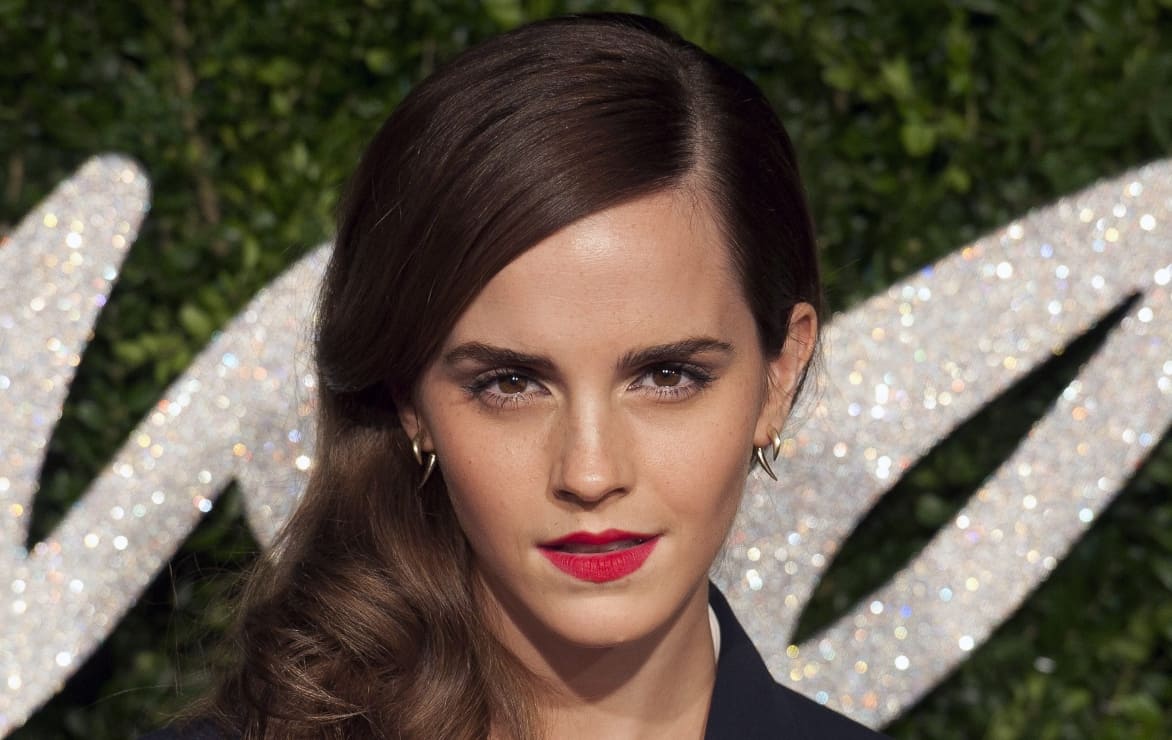
Fame turns relationships into public raw material.
London, March 2026
Emma Watson’s romantic life keeps resurfacing in headlines for a simple reason: she has spent years trying to keep it out of them. That tension, between public curiosity and private boundaries, is the most consistent thread across the names that have been linked to her since she became globally recognizable. Recent attention has been fueled by reports and photographs that suggest she has been spending time with Mexican entrepreneur Gonzalo Hevia Baillères, but the key detail remains unchanged: neither Watson nor Hevia Baillères has publicly confirmed a relationship. The pattern is familiar. A new association appears, the internet treats it as certainty, and Watson’s long-standing message about boundaries becomes relevant again.
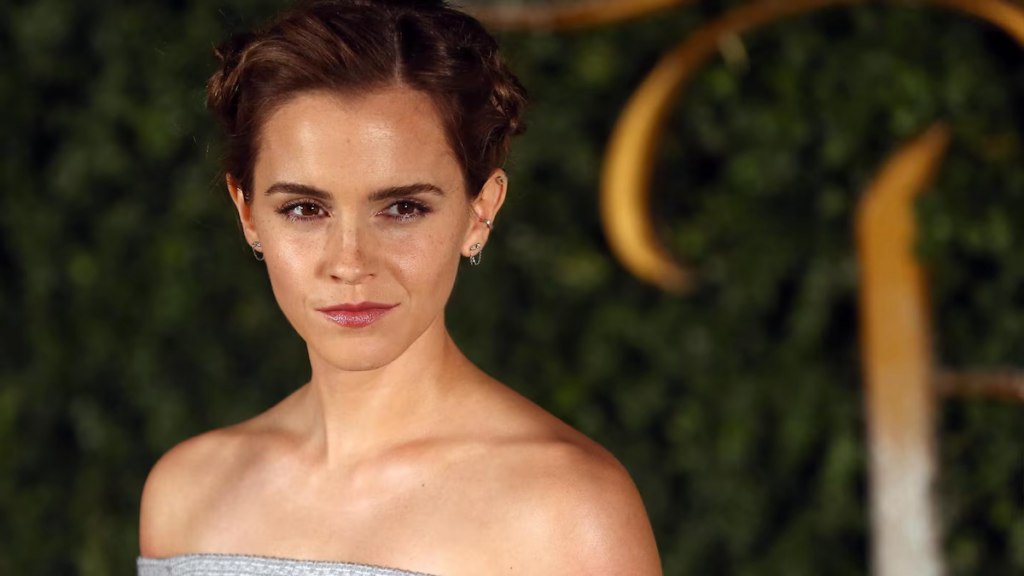
In 2017, she gave one of the clearest explanations of why she avoids discussing her partner in interviews. Her point was not dramatic, it was logistical: if she speaks publicly about a boyfriend, she cannot reasonably expect strangers not to connect that information to her home, her movements, and her safety. That is an unusually explicit acknowledgment of what celebrity culture often hides. Privacy is not only a preference. It is an operational strategy to reduce surveillance, intrusion, and escalation. Seen through that lens, her dating history is less a list of men and more a record of how difficult it is to maintain ordinary human space while living inside a global attention economy.
The early chapters were mostly short, low-commitment relationships that became public through the usual celebrity mechanism, a photograph, a sighting, a quote from someone else. British media linked her in 2008 to reality personality Francis Boulle and then to financier Jay Barrymore, with reporting emphasizing distance and scheduling conflicts as the main friction. Those stories read now like a pre-social-media era version of the same dynamic: a young actress in transition from child stardom to adult autonomy, navigating relationships that were immediately reduced to gossip frames.
Her university years added another layer because they introduced a parallel identity, student rather than star. She was linked to Spanish musician Rafael Cebrián around 2009–2010, and later to British musician George Craig, a relationship that carried a public-facing element because she appeared in a music video connected to him. The pattern in that period is revealing: when a relationship intersects with work, it becomes easier for the media to justify attention. When it does not, it tends to remain rumor-driven and thin on verifiable detail. That is not an accident. Visibility is often a byproduct of professional proximity, not romantic openness.
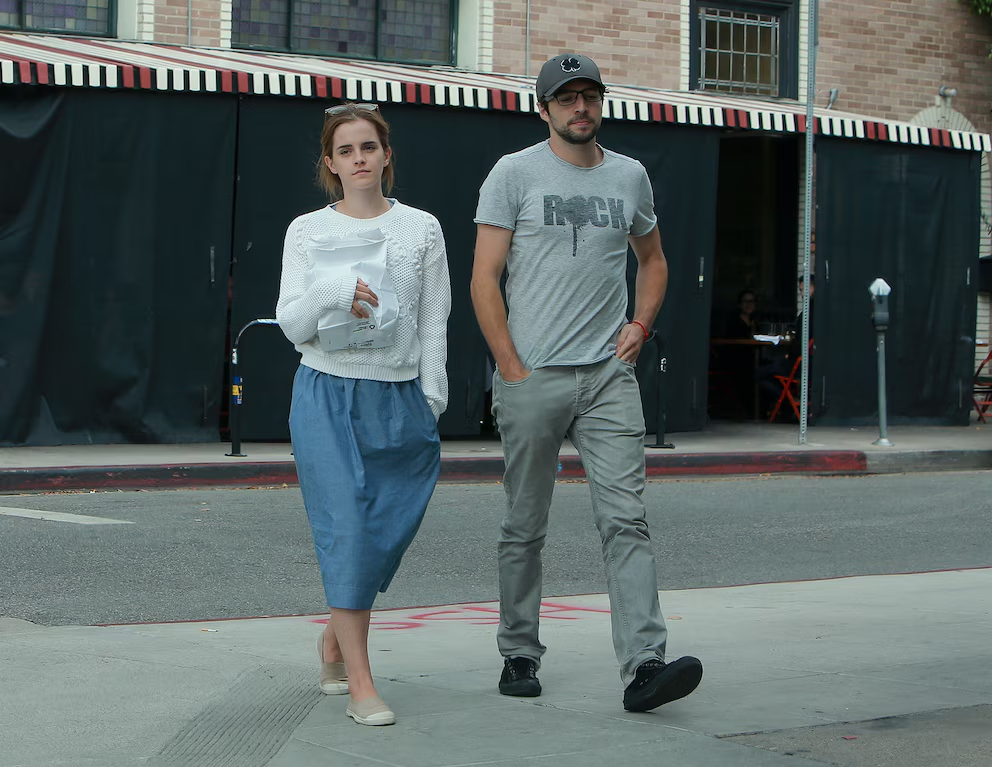
The early 2010s also included a widely circulated relationship with actor Johnny Simmons after they worked together, followed by a longer student-era relationship with Will Adamowicz, with whom she was photographed at a major U.S. music festival. These episodes show how the public constructs narrative continuity from scattered sightings. A single photo becomes “confirmation,” and confirmation becomes “history,” even when the people involved say little or nothing. In Watson’s case, the silence has not been absence of life, but absence of performance. She rarely turns relationships into content.
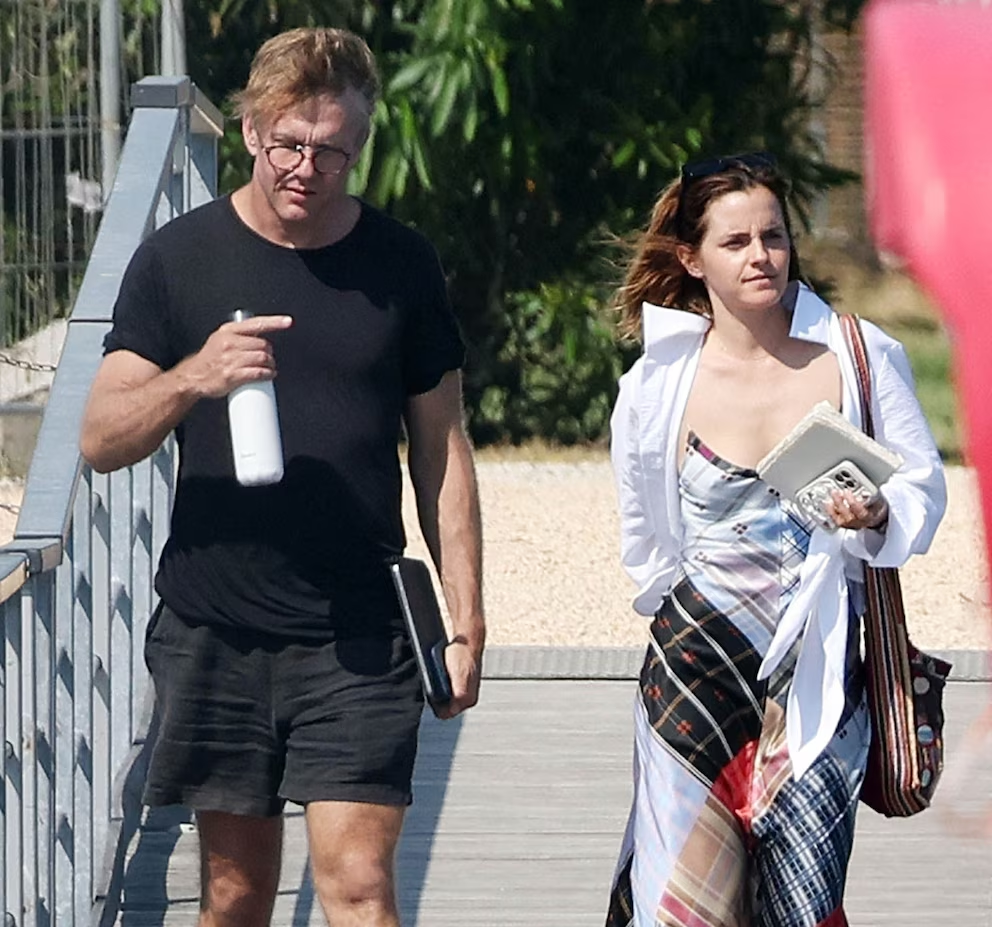
Her relationship with Oxford rugby player Matt Janney, which ended around late 2014, is one of the few moments where she offered a personal reflection afterward. She described the breakup as difficult and spoke about withdrawing into a period of quiet to learn how to be at peace with herself. That comment stands out because it shifts the story away from “who” and toward “what it did to her,” which is usually the most honest frame for public discussion. It also hints at something mature: she has repeatedly framed personal stability as a project, not a backdrop.
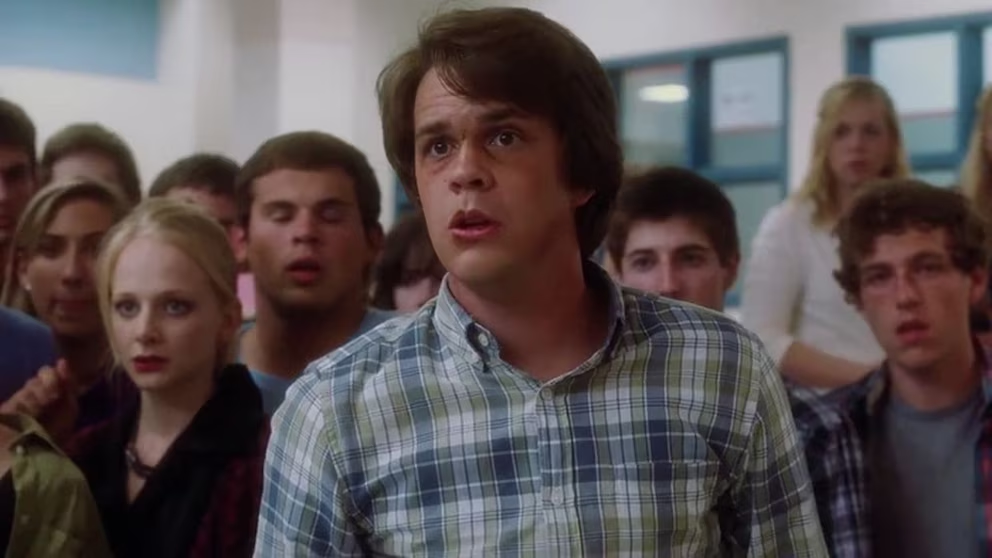
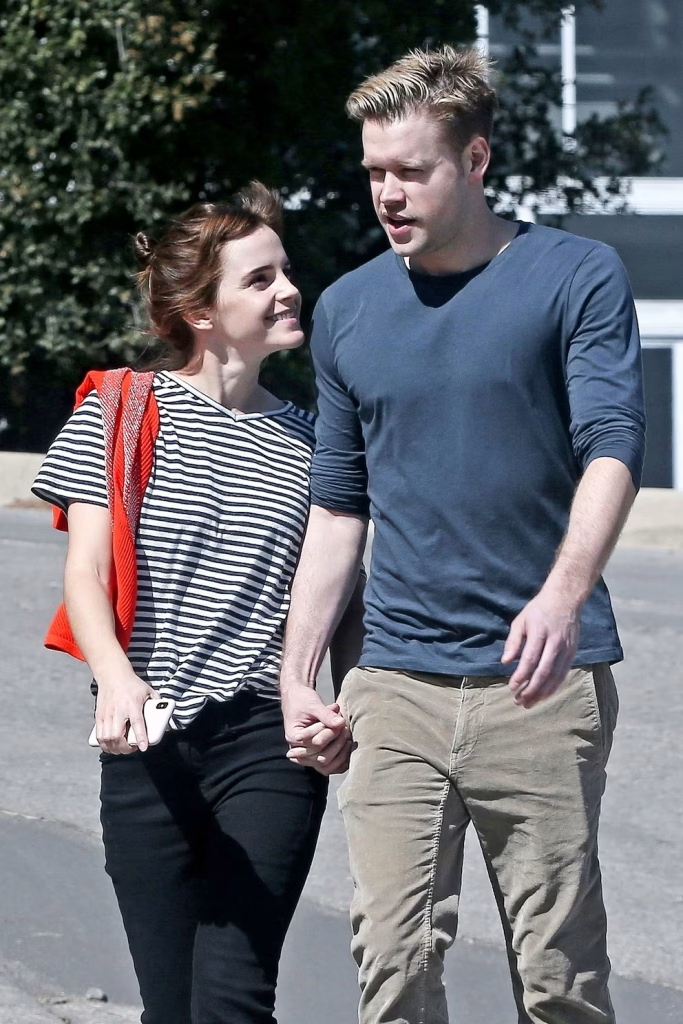
In 2015, Watson was briefly linked to actor Roberto Aguire and then entered her longest widely reported relationship, with tech businessman William “Mack” Knight, lasting roughly from 2015 to 2017. The significance of that period is not only duration. It is how consistently private it remained, despite paparazzi interest. That is the privacy strategy in action: minimal commentary, minimal narrative fuel, fewer hooks for the press to turn a relationship into a serial storyline. After that came a short relationship with actor Chord Overstreet in 2018 and a reported link to entrepreneur Brendan Wallace later that year, again driven mostly by photographs rather than statements.
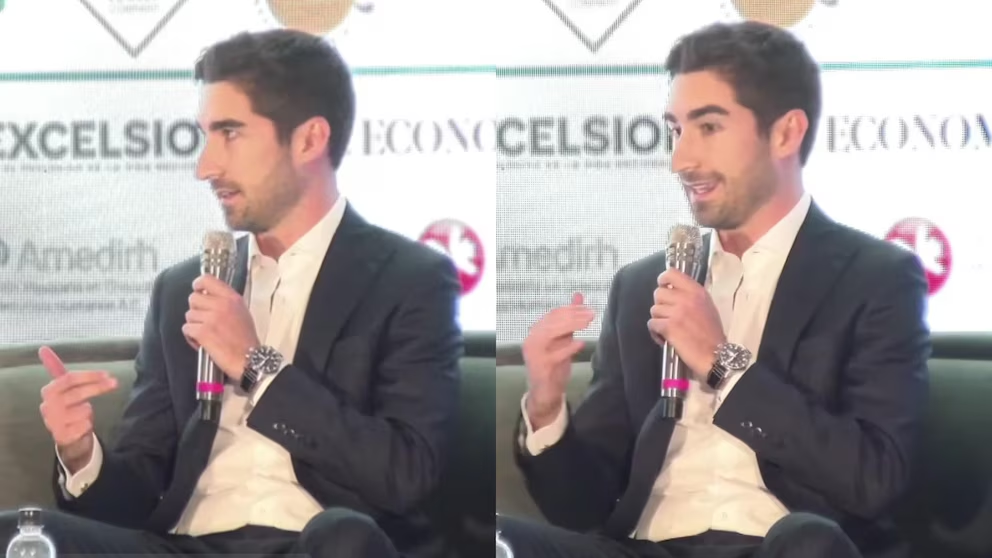
From 2019 onward, Watson’s relationships have been covered in a different cultural environment, one where social platforms amplify speculation instantly and treat “rumor” as “soft confirmation.” She was linked to businessman Leo Robinton, and when engagement rumors surfaced in 2021, she publicly rejected the click-driven logic of constant speculation. Her statement was sharp in its simplicity: if she had news, she would share it, and rumor cycles were designed to generate attention whether true or false. That was not a denial of having a private life. It was a rejection of being narratively managed by strangers.
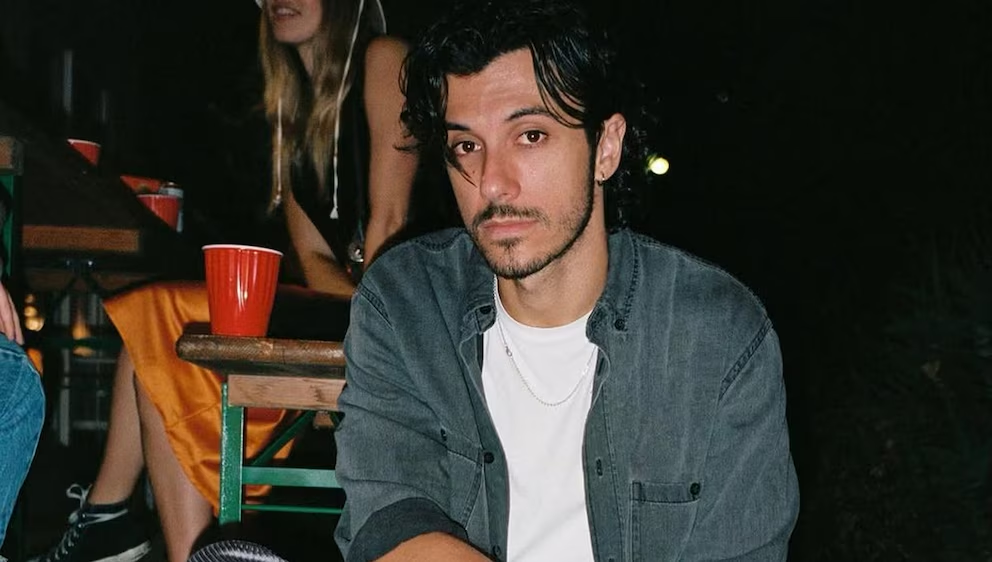
Later reporting linked her to Brandon Green, with tabloid coverage claiming a breakup in 2023, and then to other names with less substantiated public information. In 2024, U.S. entertainment press reported she was dating Oxford acquaintance Kieran Brown after photos circulated of them together in London. Again, the mechanism is consistent: the public learns through observation, not through confirmation.
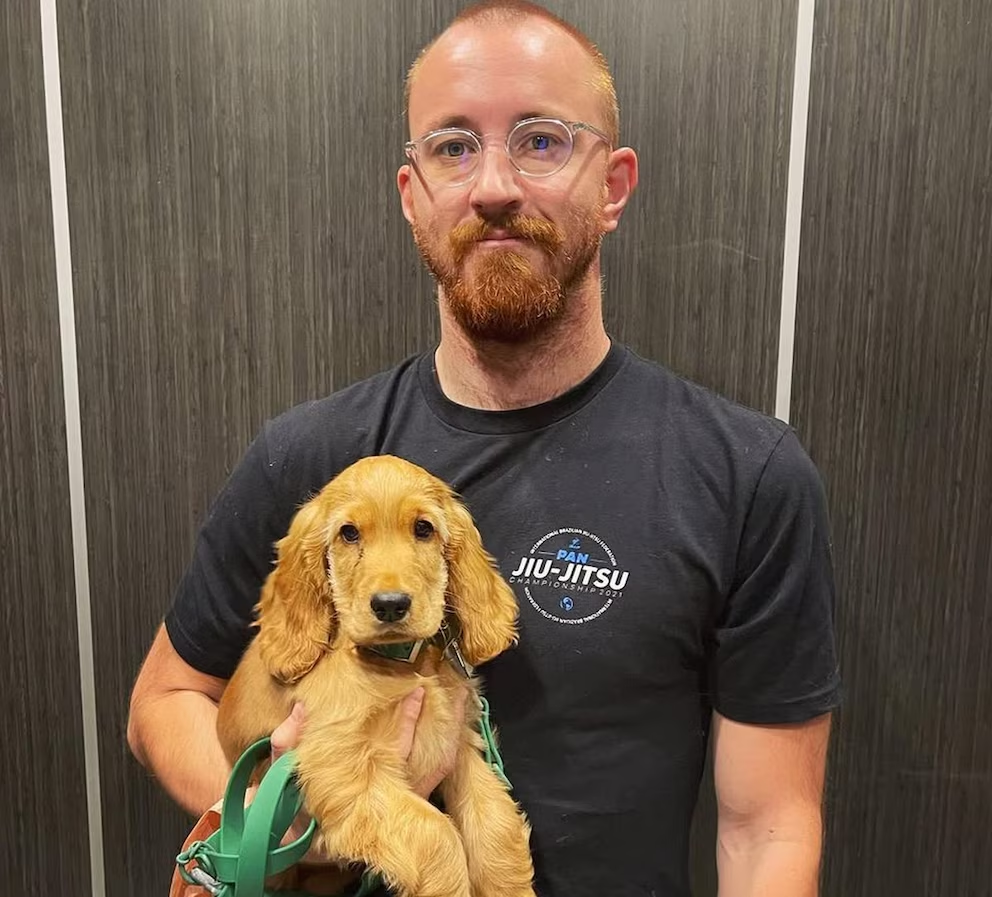
The current attention around Gonzalo Hevia Baillères fits the same template, except with a sharper modern edge. The story travels faster because the ecosystem is faster, and because the relationship, if it exists, intersects with high-status networks and public fascination with wealth and influence. But the core reality remains that public certainty is being built out of images and sourcing rather than direct statements. This is where Watson’s approach becomes the story. She has repeatedly signaled that she values relationships that are not consumed by her fame, and that she prefers partners who can exist outside the celebrity logic. That preference is not romantic ideology. It is risk management.
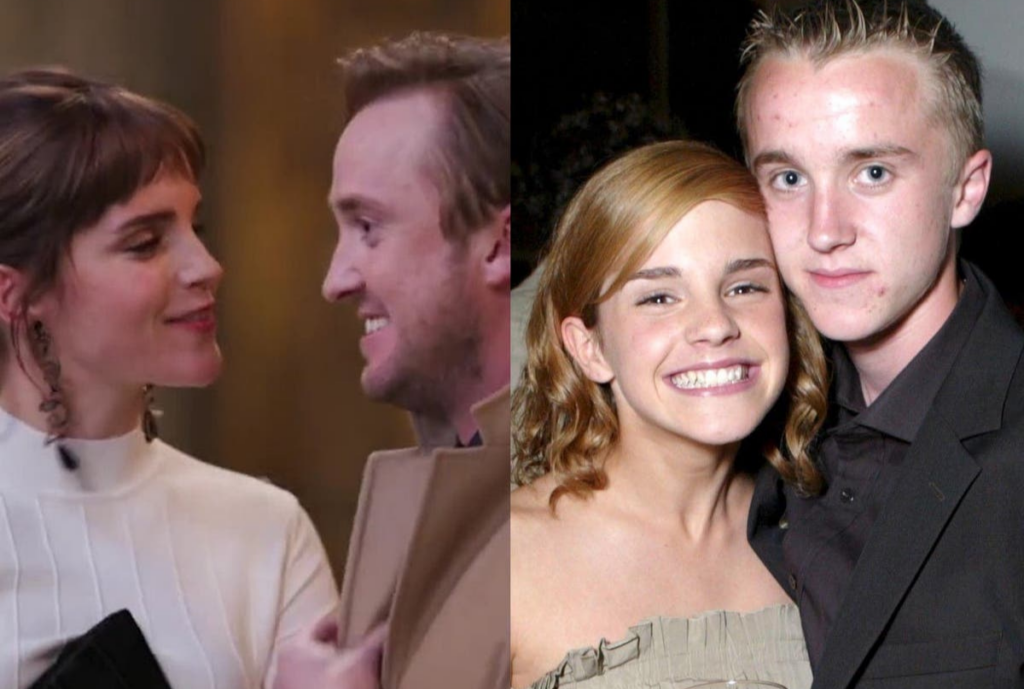
If there is one honest conclusion to draw from Watson’s dating timeline, it is this: the public keeps trying to turn her private life into a readable series, while she keeps trying to keep it un-serialized. The names change. The mechanism does not. What stays consistent is the boundary she has tried to enforce: her work is public, her relationships are not a public subscription product, and confirmation is not owed to the audience.
Every silence speaks. / Cada silencio habla.