

 Phoenix 24
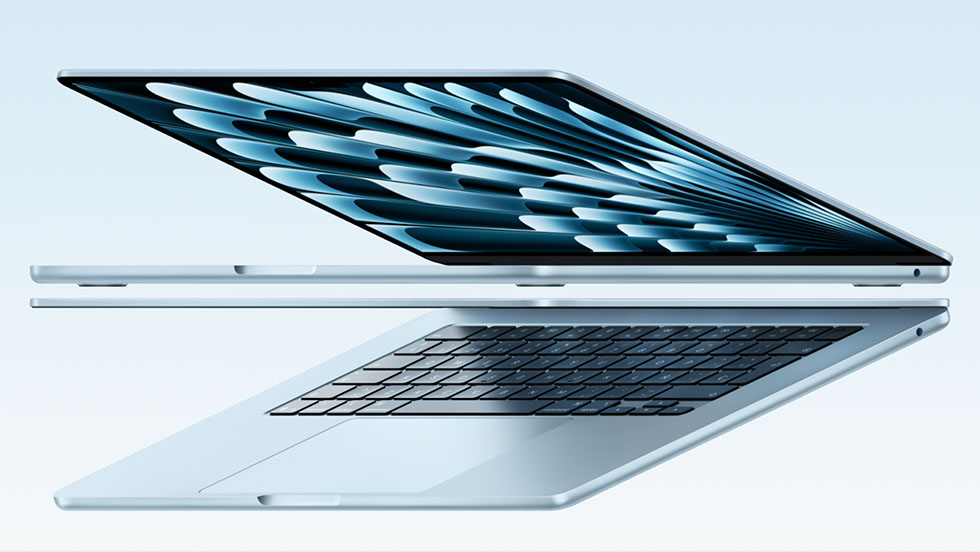
One laptop lowers the entry point, the other protects the premium middle.
Cupertino, March 2026
The comparison between Apple’s new MacBook Neo and the MacBook Air with M5 looks like a standard buyer guide on the surface, but the deeper story is strategic segmentation. Apple is not merely offering two laptops with different performance levels. It is redrawing the lower half of its notebook lineup to capture price-sensitive users without collapsing the value logic of the MacBook Air. Recent coverage and official product information point to a clear divide: the MacBook Neo enters as a much cheaper device built around an iPhone-class A18 Pro chip, while the MacBook Air M5 remains the mainstream premium option with stronger performance, better expandability, and a more complete feature set. This is less about replacing one with the other and more about widening Apple’s funnel.
From a performance perspective, the split is deliberate and easy to read. The MacBook Air M5 sits on Apple’s Mac-focused silicon roadmap and is positioned for users who need a stronger balance of sustained computing power, multitasking headroom, and longer-term workload flexibility. The Neo, by contrast, is designed to be capable enough for everyday use, study, browsing, office tasks, and light content consumption, but without the same ceiling. Reports indicate the Neo uses the A18 Pro and starts with lower baseline memory and fewer upgrade-style advantages, which reinforces the idea that Apple is optimizing cost discipline rather than trying to create a cheaper Air in disguise. In practical terms, the Neo is not an Air killer. It is Apple’s answer to budget Windows laptops and premium Chromebooks.
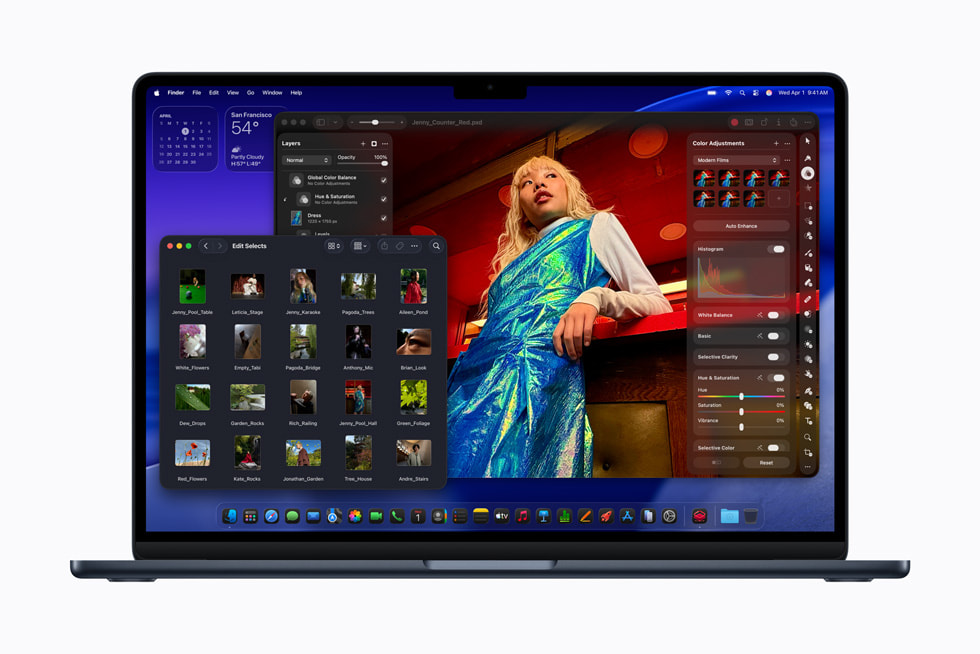
Battery life and charging behavior reveal the same positioning logic. Comparisons in current Spanish-language tech coverage emphasize that the MacBook Air M5 delivers meaningfully longer autonomy than the Neo, while also preserving convenience features such as MagSafe charging that free up data ports for accessories. The Neo reportedly charges through USB-C, which is functional but less elegant in a two-port machine because one of those ports may be occupied during use. That difference matters more than it seems on paper. For students and everyday users, battery life is not just a spec; it shapes whether the laptop feels dependable across classes, meetings, or travel. Apple appears to be using battery endurance and charging convenience as part of the justification for the Air’s higher price, not only raw speed.
Design and hardware features also support the segmentation strategy. The Neo is being described as a 13-inch machine with a simplified port layout and some tradeoffs to reach its lower price, including fewer premium features found higher in the range. Coverage has highlighted omissions such as Thunderbolt-level connectivity and other conveniences that buyers often associate with the Air line. Meanwhile, the M5 MacBook Air continues to serve as the product that balances portability with broader capability, making it the safer choice for users who expect peripherals, heavier workflows, or longer device lifespans. Apple’s play here is familiar but effective: preserve the brand feel, trim the expensive components, and use software ecosystem cohesion to make the budget model still feel unmistakably “Mac.”
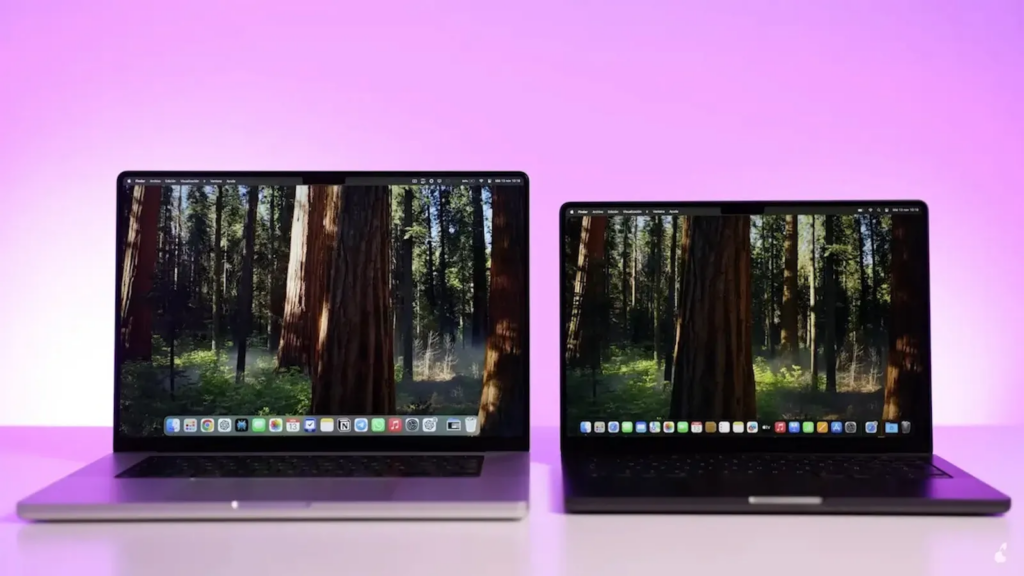
Price, however, is where the real strategic move becomes visible. Reporting indicates the MacBook Neo enters around the 599-dollar mark, while the MacBook Air M5 starts substantially higher, around 1,099 dollars. That gap is too large to be accidental and too specific to be merely generational pricing. It creates a staircase inside Apple’s portfolio that did not exist with this level of clarity before. The company can now address first-time Mac buyers, families, and education-oriented consumers with a lower-cost option while preserving the Air as the aspirational mainstream model. In market terms, Apple is building a stronger on-ramp without discounting its mid-tier identity.

For consumers, the key question is not which one is “better” in the abstract, but which one aligns with workload reality over the next two to four years. Buyers focused on writing, streaming, browsing, coursework, and basic productivity may find the Neo compelling if price discipline is the priority and feature compromises are acceptable. Buyers who need more multitasking resilience, longer battery life, better charging flexibility, and more future-proof headroom are likely still in MacBook Air territory. The risk, as always, is that a lower entry price can encourage overbuying into a category that looks premium but is tuned for lighter use. That is not a flaw in the Neo. It is the intended product boundary.

What changes on the wider board is Apple’s competitive posture in personal computing. The company is signaling that it wants stronger coverage at the entry level without abandoning margin logic in the core notebook market. The MacBook Neo and MacBook Air M5 are therefore not just two products launched close together. They are a portfolio message: expand market reach, protect premium differentiation, and let the interface and ecosystem carry continuity across sharply different price bands. For users, the comparison is about specs. For Apple, it is about architecture of demand.
The truth is structure, not noise. / Truth is structure, not noise.