

 Phoenix 24
A legend’s return can end in metal.
Cortina d’Ampezzo, February 2026.
Lindsey Vonn’s latest post from a hospital bed did more than update her condition. It turned the private mechanics of elite sport into a public X ray, plates, screws, swelling, and the slow, stubborn reality that a comeback is not a slogan once the body breaks. In reporting echoed across U.S. and European outlets, Vonn described “some difficulties” after another operation and said she was not yet discharged, while sharing imagery that makes the injury impossible to romanticize. The picture functions like a counter narrative to the highlight culture surrounding the Winter Games: what television sells as risk, the athlete lives as reconstruction.
The injury itself, as described by multiple reports, stems from a violent crash early in the Olympic downhill in Cortina, when Vonn’s run ended within seconds and she was taken away for urgent care. Medical updates circulating since then have repeatedly used the language of complexity, a tibia fracture that is stable enough to manage but severe enough to require multiple surgeries. The storyline is sharp because it collides with the mythology that made Vonn famous: speed as identity, falling as routine, resilience as brand. Here, resilience is no longer rhetorical, it is orthopedic, and the timeline is measured in surgeries, not in seasons.
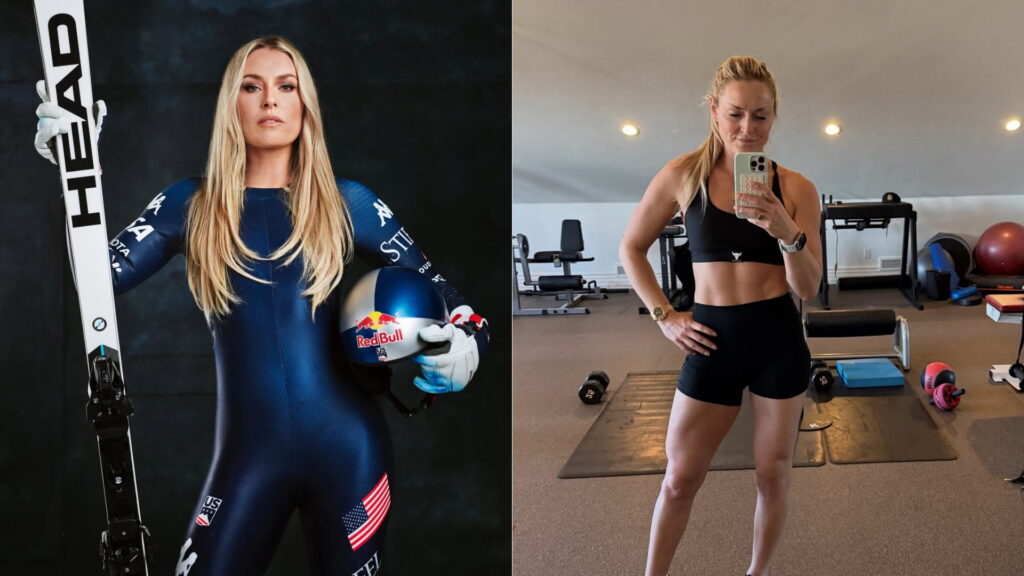
What makes the episode structurally significant is the way it reframes “comeback” as a high risk governance decision rather than a purely personal one. Vonn returned to competition after years away and after a partial knee replacement, a choice that drew admiration and criticism even before the crash. Critics argued she was taking a spot, supporters argued she earned it through performance, and Vonn responded by pointing to her season results and her right to compete. The injury does not settle that debate, but it changes its moral texture, because it reveals the cost borne by the athlete when the gamble fails.
From a systems lens, Vonn’s case highlights how winter sport risk is managed, not eliminated. Downhill skiing is engineered to sit on the edge of controllable chaos, a blend of speed, terrain, equipment, and micro decisions that become irreversible when the line is lost. Modern course safety, netting, and medical readiness exist precisely because organizers know the sport produces impacts that can compress bones and joints beyond what training can harden. The fact that Vonn remained hospitalized for an extended period and required repeated procedures underscores that “acceptable risk” at Olympic level often implies long recovery arcs even when the outcome is not life threatening.

The public response has also exposed a second arena where elite athletes now fight: legitimacy in the attention economy. In U.S. coverage, Vonn addressed “haters” and pushed back against claims she was selfish for competing, framing her season as proof she deserved her place and her effort as something spectators underestimate. That pushback is not just emotion, it is reputational defense, because injury can be weaponized to rewrite an athlete’s story as recklessness rather than ambition. When an athlete is injured, the narrative vacuum is instantly filled by moral interpretations, and Vonn chose to occupy that space with her own framing, even while in pain.
International reporting adds a layer of operational detail that makes the situation harder to dismiss as a social media moment. Updates described multiple surgeries in Italy, later transfer back to the United States, and continued procedures, with doctors monitoring not only fracture alignment but secondary complications associated with high energy trauma. Some outlets noted severe pain management challenges, a reminder that recovery is not a smooth slope but a jagged terrain of inflammation, mobility limits, and psychological fatigue. For a winter athlete whose identity is built on control, the forced helplessness of hospital recovery can be its own kind of collision. That is why the phrase “step by step” lands as more than optimism, it is a coping strategy for a body that cannot be rushed.
There is also a broader Olympic pattern behind the headline: the Games increasingly celebrate longevity and late career defiance, but longevity changes the risk calculus. Older athletes can still compete at the highest level, yet the injury consequences often carry heavier recovery burdens, not only biologically but economically and emotionally. Vonn’s image, with hardware visible and the language of ongoing difficulty, punctures the easy inspirational arc and replaces it with an honest one: excellence is expensive, and the bill sometimes arrives all at once. In this sense, the post is not merely personal communication, it is an unintended public service announcement about what elite winter sport demands.
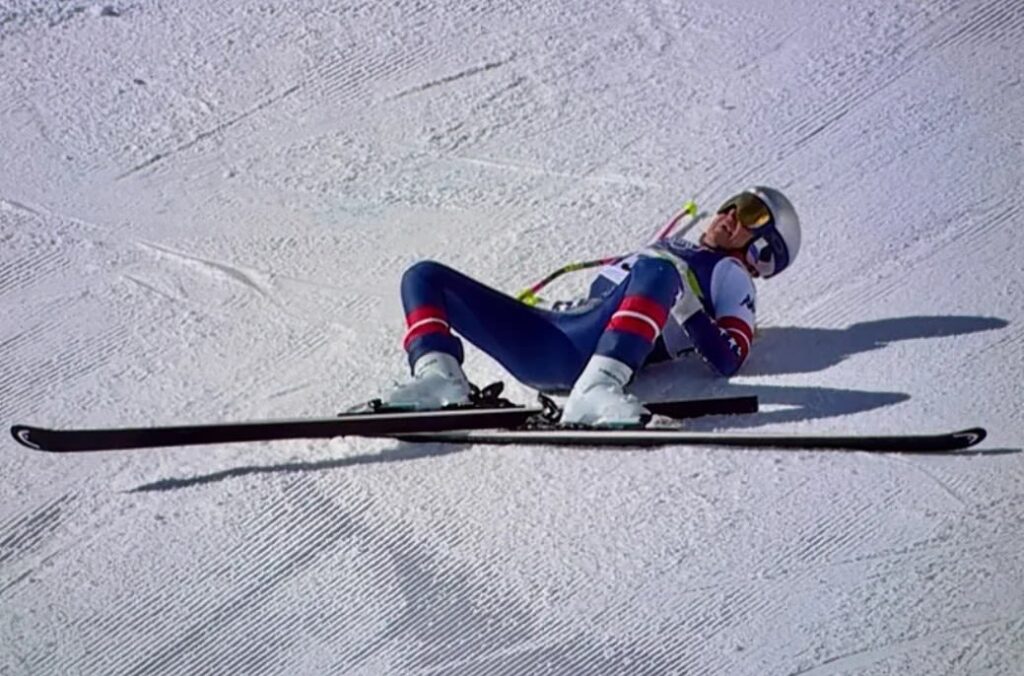
The story matters beyond Vonn because it intersects with the legitimacy of the spectacle itself. The Olympics sell speed, courage, and national drama, yet their credibility depends on the perception that athletes are not being consumed by the product. When multiple events in a Games cycle feature severe crashes, audiences begin to ask whether the margin has become too tight, whether course design, weather decisions, or equipment evolution are accelerating risk. Organizers can point to protocols and medical excellence, and those matter, but the emotional evidence is what stays with the public, a stretcher, a hospital image, a sentence about not being discharged. That evidence shapes how risk is culturally priced.
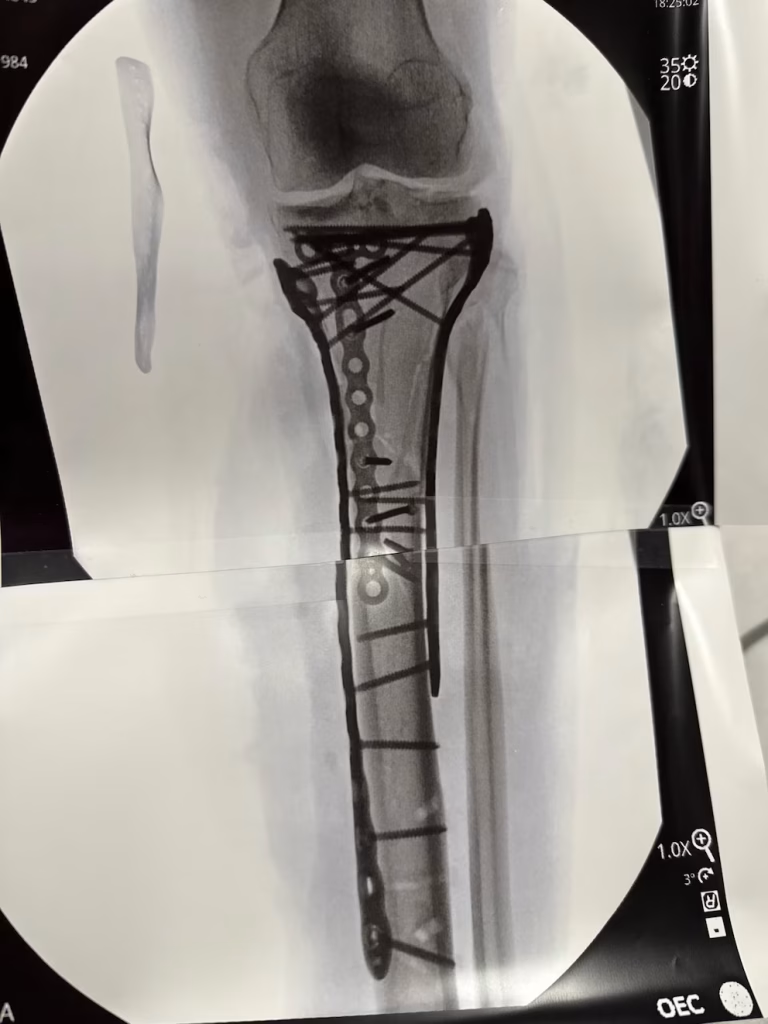
In the short term, Vonn’s recovery will be measured in clinical checkpoints, bone healing, mobility, pain control, and the prevention of secondary complications. In the longer term, the episode will likely reshape how her comeback is remembered: not as a neat narrative of defiance, but as a case study in the thin boundary between heroic ambition and irreversible cost. The most powerful part of her image is not the hardware, it is the clarity it forces on everyone watching. Elite sport is not only performance, it is consequence, and consequence does not care about legacy.
La verdad es estructura, no ruido. / Truth is structure, not noise.