

 Phoenix 24
When components get scarce, launches become optional.
Bellevue, February 2026.
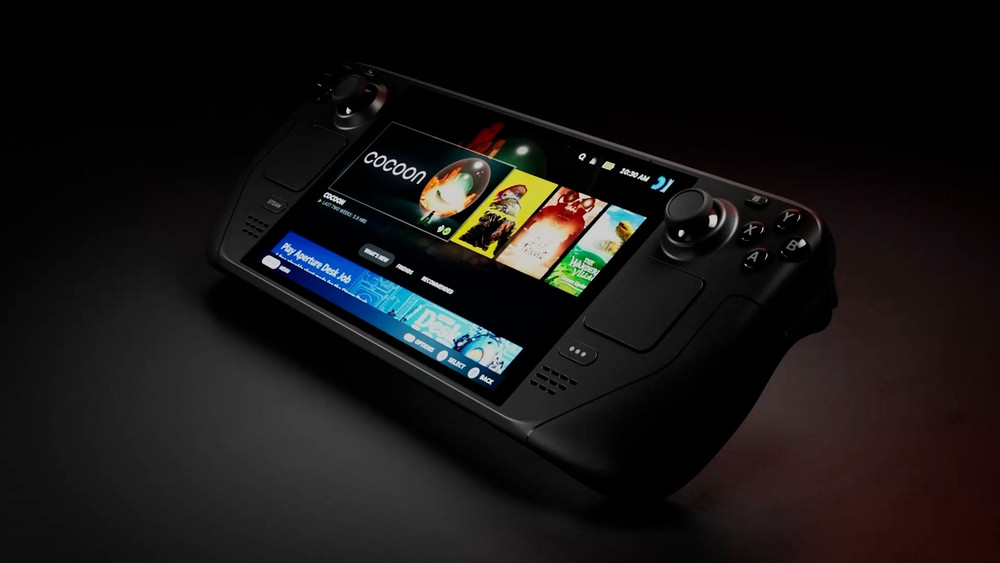
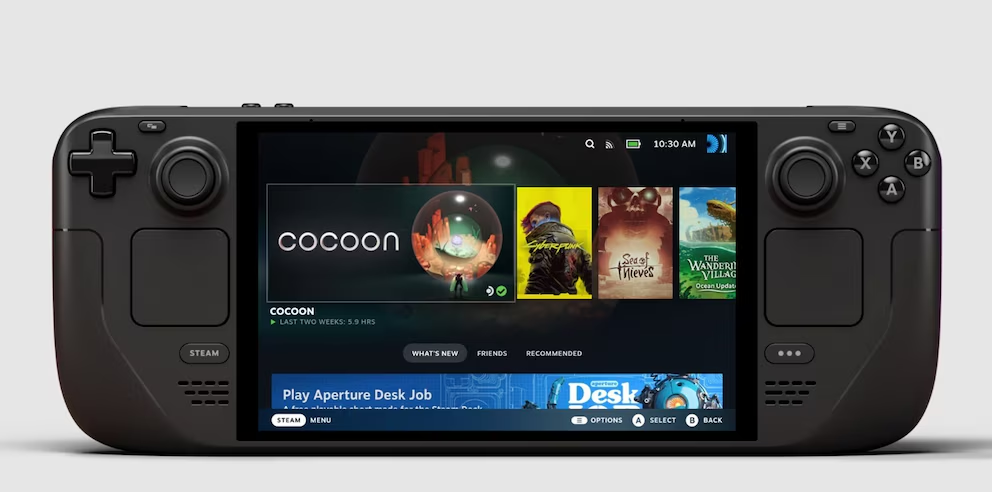
Valve has warned that its Steam Deck OLED may be intermittently out of stock in some regions because it is struggling to secure enough memory and storage components to keep supply steady. The disruption has already shown up as limited availability in key markets, turning what looks like a retail annoyance into a clearer indicator of upstream pressure. For a device positioned as a bridge between PC gaming and console simplicity, supply instability matters because consumers treat hardware availability as a promise, not a bonus. When “buy now” becomes “check back later,” the market quietly reassigns momentum to whatever can ship.
The important detail is the nature of the constraint. This is not being framed as a demand spike or a logistics bottleneck. It is a parts problem, specifically RAM and onboard storage. Those components are increasingly strategic because the same commodity pools feed both consumer devices and large scale infrastructure buyers. When memory and storage tighten, consumer electronics often become the flexible segment that absorbs volatility, because they cannot always lock multi year supply on the same terms as hyperscalers and industrial customers. That is how a macro shift becomes visible at the checkout button.
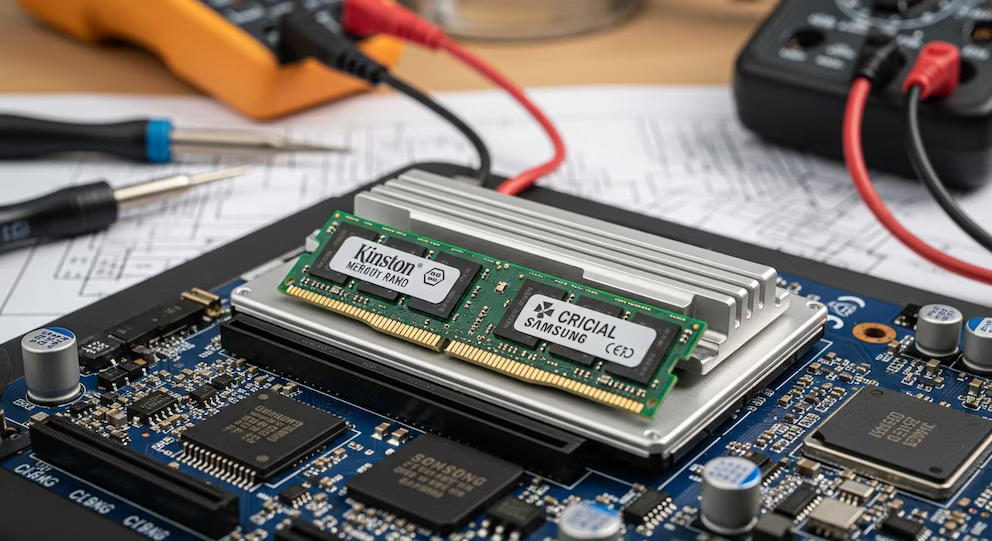
Coverage around the shortage has linked it to the broader AI buildout, arguing that data centers and large cloud operators are consuming a growing share of global memory and storage output. Even if a handheld uses a small fraction of what a server cluster consumes, it competes in the same supply market, and that market now behaves like a strategic resource allocation system. The result is predictable: manufacturers without deep long term contracts see intermittent shortages first, and consumer products become the place where the squeeze is felt in public.
Valve’s situation is sharper because its product strategy leans toward focus. Streamlining a lineup makes sense when supply is stable, but it reduces redundancy when components tighten. Fewer configurations mean fewer substitution paths. If a particular storage module or memory package becomes constrained, there is less room to keep other variants flowing while one version stalls. In supply chain terms, simplification can become a single point vulnerability when the upstream market becomes hostile.
The shortage narrative also interacts with Valve’s broader hardware ambitions. Reports around the situation have suggested that component volatility is complicating timelines and pricing across multiple device projects, not just the Steam Deck. That is a familiar pattern in modern consumer hardware: the more your product depends on specific memory and storage bins, the more your roadmap becomes a negotiation with suppliers rather than a pure design schedule. Owning the platform and distribution does not immunize a company from the constraint of a part it cannot reliably source at predictable cost.
For consumers, the immediate effects are straightforward. Availability becomes uneven by region, restocks become less predictable, and pricing pressure rises, either through official adjustments or through gray market markups when scarcity meets impatience. For the category, the effect is competitive by default. Portable gaming PCs now face a crowded field, and being in stock is itself a feature. If one flagship device becomes intermittently scarce, rivals gain share simply by shipping, even if their products are not better.

For Valve, the long term risk is not that scarcity hurts one quarter of sales, it is that it changes buyer psychology. Scarcity can create desire in short bursts, but prolonged unpredictability creates fatigue. The longer the audience experiences the device as hard to obtain, the more likely it is reclassified from “I will get it” to “nice to have,” and that is the kind of drift that is hard to reverse with marketing alone.
The deeper pattern is that AI era demand is reshaping the priority order for foundational components. Memory and storage are no longer just consumer electronics inputs. They are infrastructure fuel for models, clouds, and data centers that convert hardware into recurring revenue at scale. In that environment, a gaming handheld is not only competing against other consoles. It is competing against the world’s appetite for compute intensive infrastructure. That shift in bargaining power will keep surfacing as intermittent shortages, delayed launches, and product strategies that prioritize resilience over variety.
Cada silencio habla. / Every silence speaks.