

 Phoenix 24
A single outfit can be a message, if the reference is deliberate.
Los Angeles, February 2026. A “mirror look” is never just about shine. It’s about optics in the literal sense: how a body becomes a reflective surface, how light is engineered to travel, and how attention is redirected back toward the viewer. When Hailey Bieber steps out in a mirror-inspired outfit that openly nods to Margot Robbie, the styling is doing three things at once: it signals taste, it signals lineage, and it signals control. The mirror is not a fabric choice; it’s a narrative device.
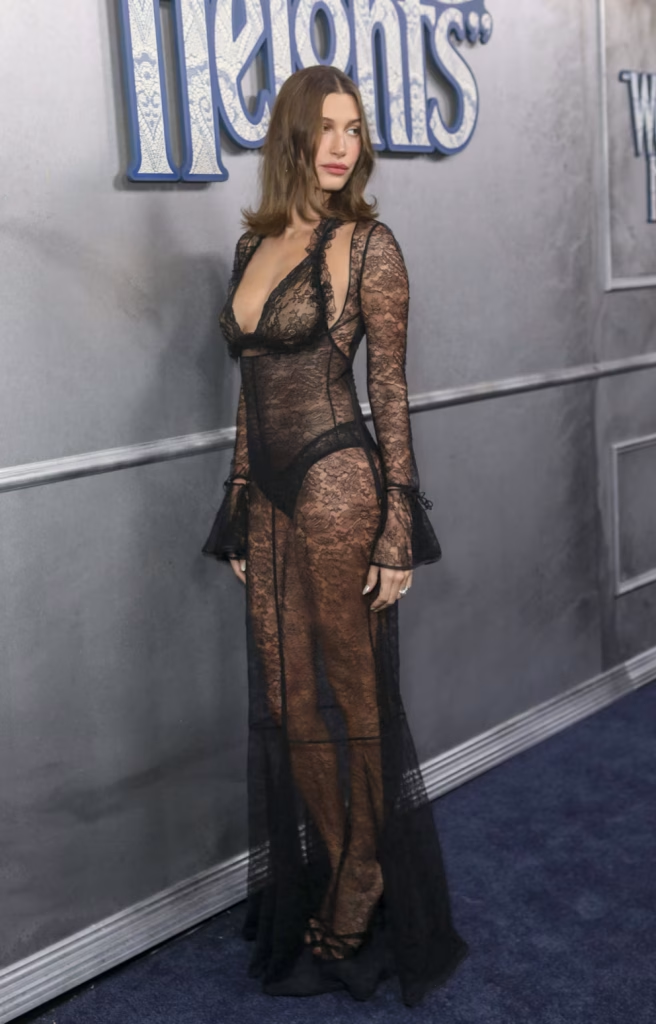
In the current celebrity style economy, the reference is often more important than the garment. What people share is not “black lace and transparencies” as a technical description, but the idea that a specific aesthetic is being quoted, remixed, and re-asserted by a new body in a new moment. This is how modern fashion influence operates at speed: you don’t need to invent a silhouette when you can strategically cite one. A clean citation reads as confidence. A messy citation reads as costume. The difference is precision.
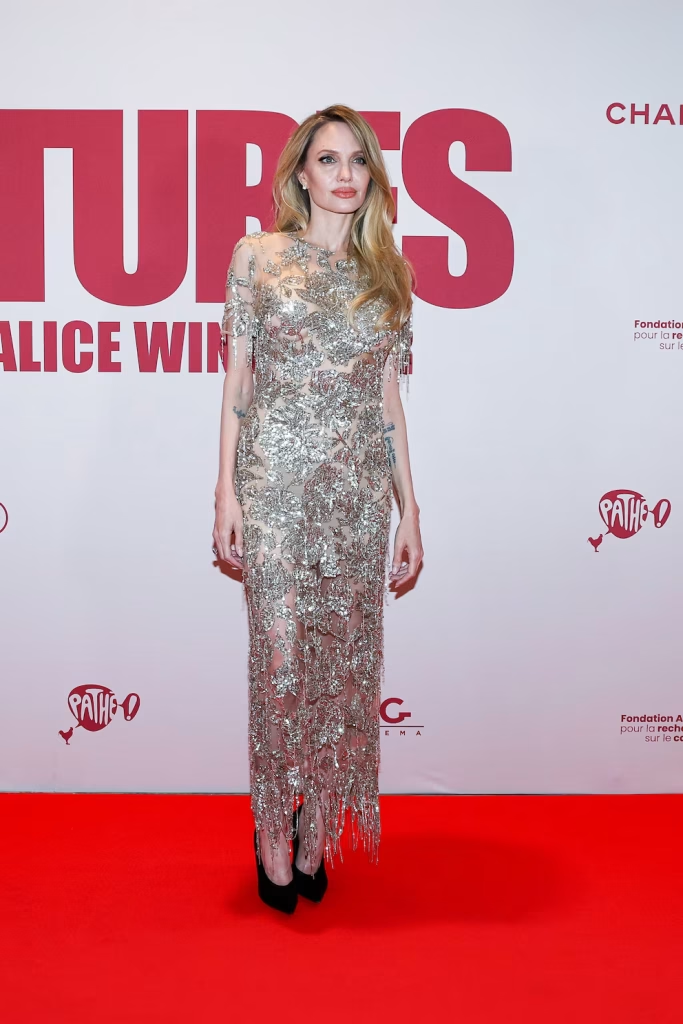
Black lace and transparent layers function as a controlled contradiction. Lace carries heritage and intimacy; transparency carries risk and exposure. Together, they create a tension that reads as “bold” without necessarily becoming vulgar, provided the cut and styling keep the line tight. That’s why the mirror concept matters: reflectivity adds distance. It turns the look into a surface people look at rather than a body people feel they can intrude upon. In other words, the shine can act as armor.
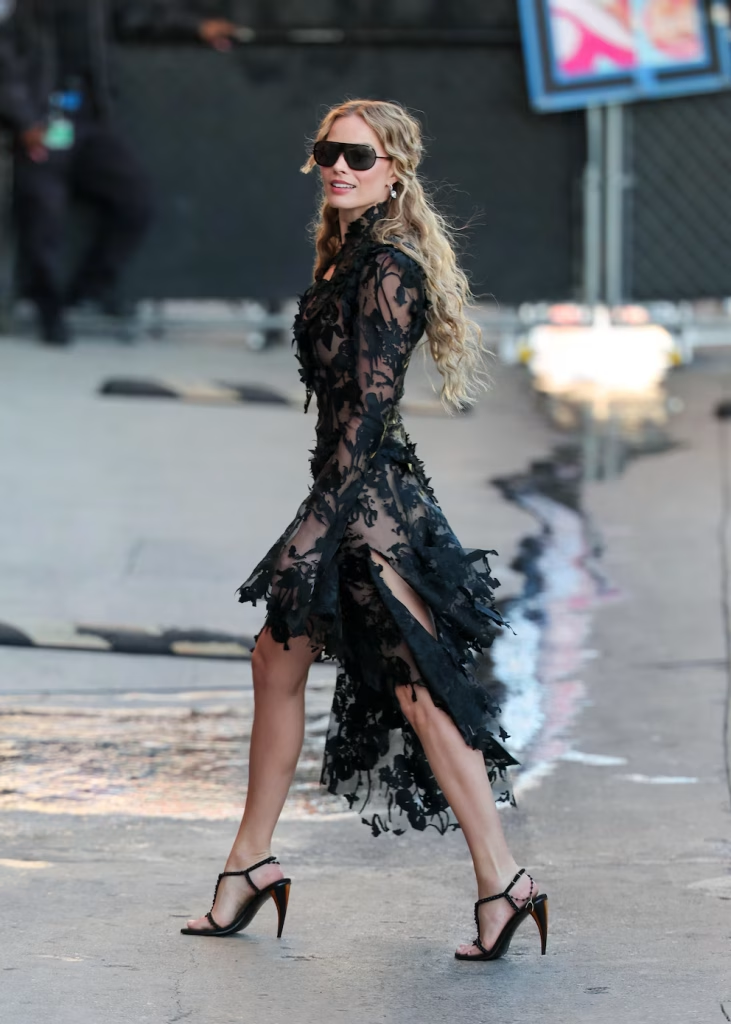
The Margot Robbie reference adds another layer: Hollywood as a styling language. Robbie’s most iconic fashion moments in recent years have been tied to a very specific cultural machine, where styling is part of storytelling and branding rather than simple red-carpet decoration. When Bieber borrows that signal, the move reads less like imitation and more like alignment with a particular kind of starcraft: polished, camera-intelligent, and designed for global circulation. The “inspired by” framing is also strategic. It grants permission. It tells the audience: this is a deliberate homage, not an accidental overlap.
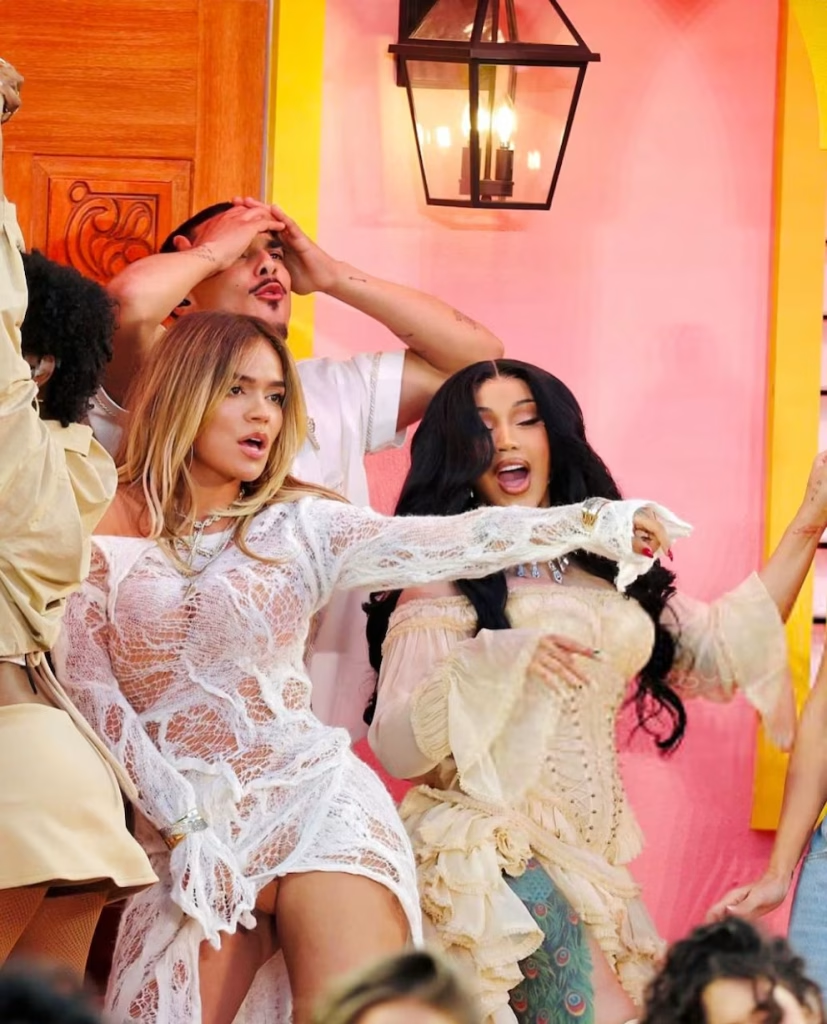
What makes these looks travel is not craftsmanship alone; it’s readability. Mirror elements photograph instantly. Lace reads as texture even on compressed screens. Sheer panels create a controlled scandal: enough suggestion to spark commentary, not enough to collapse into noise. This is fashion engineered for the algorithm, where the winning outfit is the one that can be understood in half a second, then reinterpreted for hours in captions and reactions. The outfit becomes a prompt. The audience writes the rest.
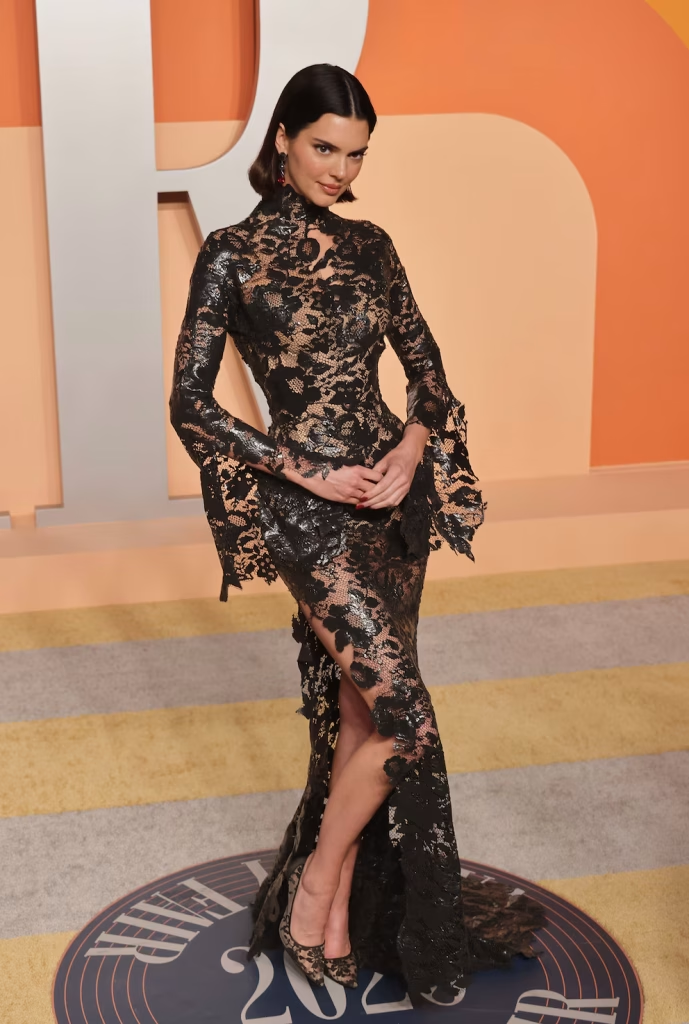
There’s also a quieter power dynamic in play: the “mirror look” is a metaphor for celebrity life. Public figures are constantly asked to reflect culture back to itself, to become a surface onto which fantasies, anxieties, and debates are projected. Choosing mirror-like styling makes that metaphor explicit. It says: I know what you’re doing when you look at me. I’ll reflect it back—beautifully—on my terms.
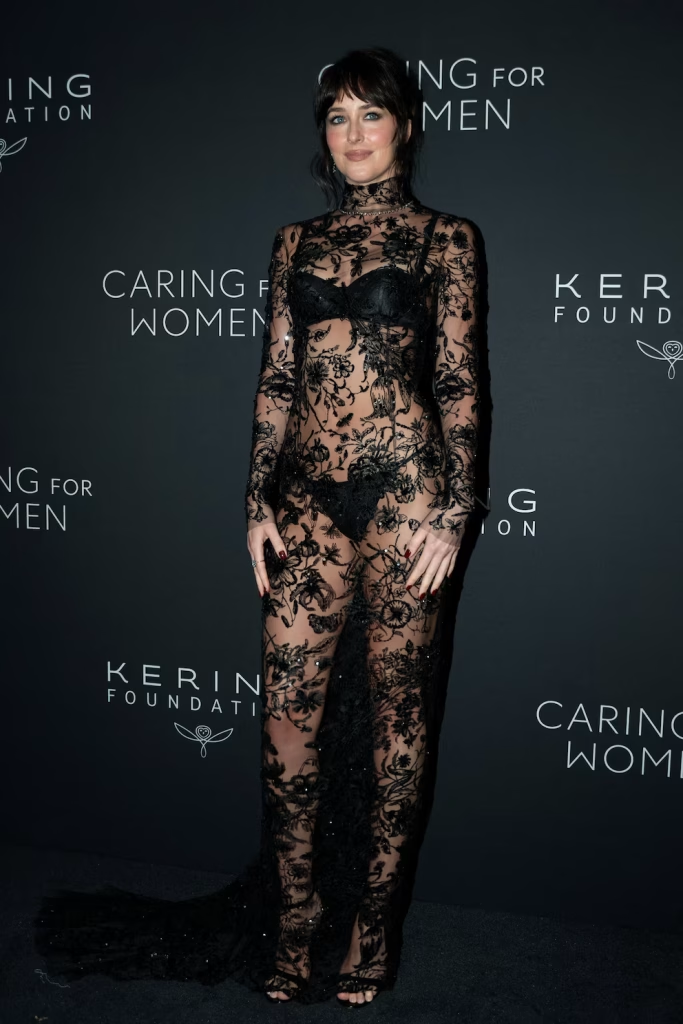
The broader takeaway is that celebrity fashion has shifted from expression to strategy. The best looks today are not random.
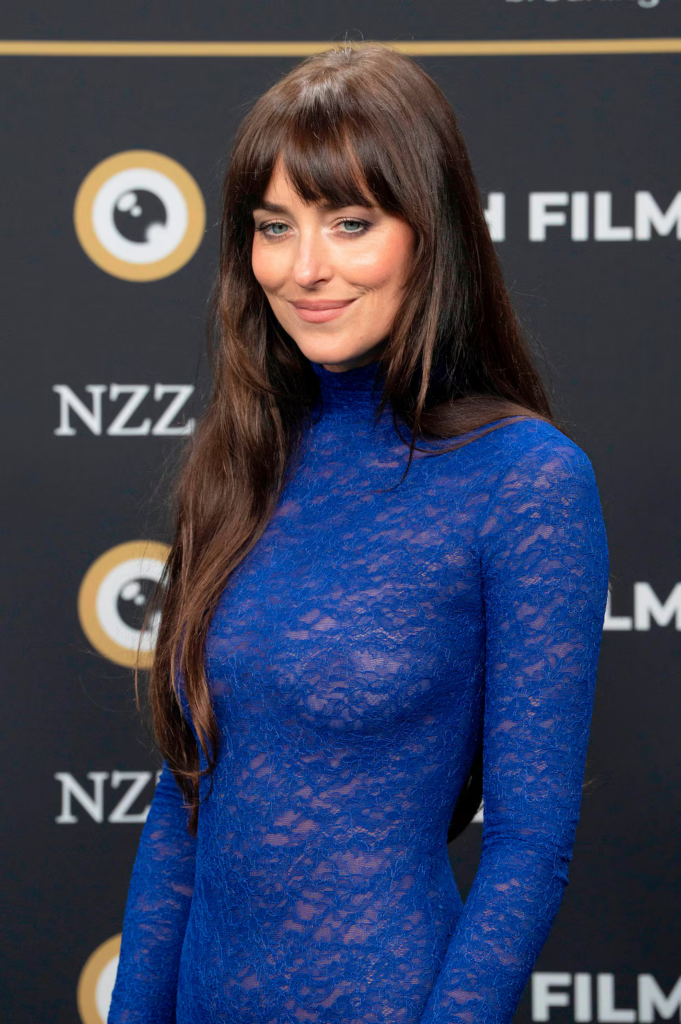
They are modular, referential, and designed to perform across contexts: a photo set, a headline, a fan edit, a brand adjacency, a moodboard. When executed well, the outfit doesn’t merely “deslumbrar.” It consolidates a position in the attention hierarchy, using aesthetics as soft power.
Detrás de cada dato, hay una intención. Detrás de cada silencio, una estructura.
Behind every data point, there is an intention. Behind every silence, a structure.