

 Phoenix 24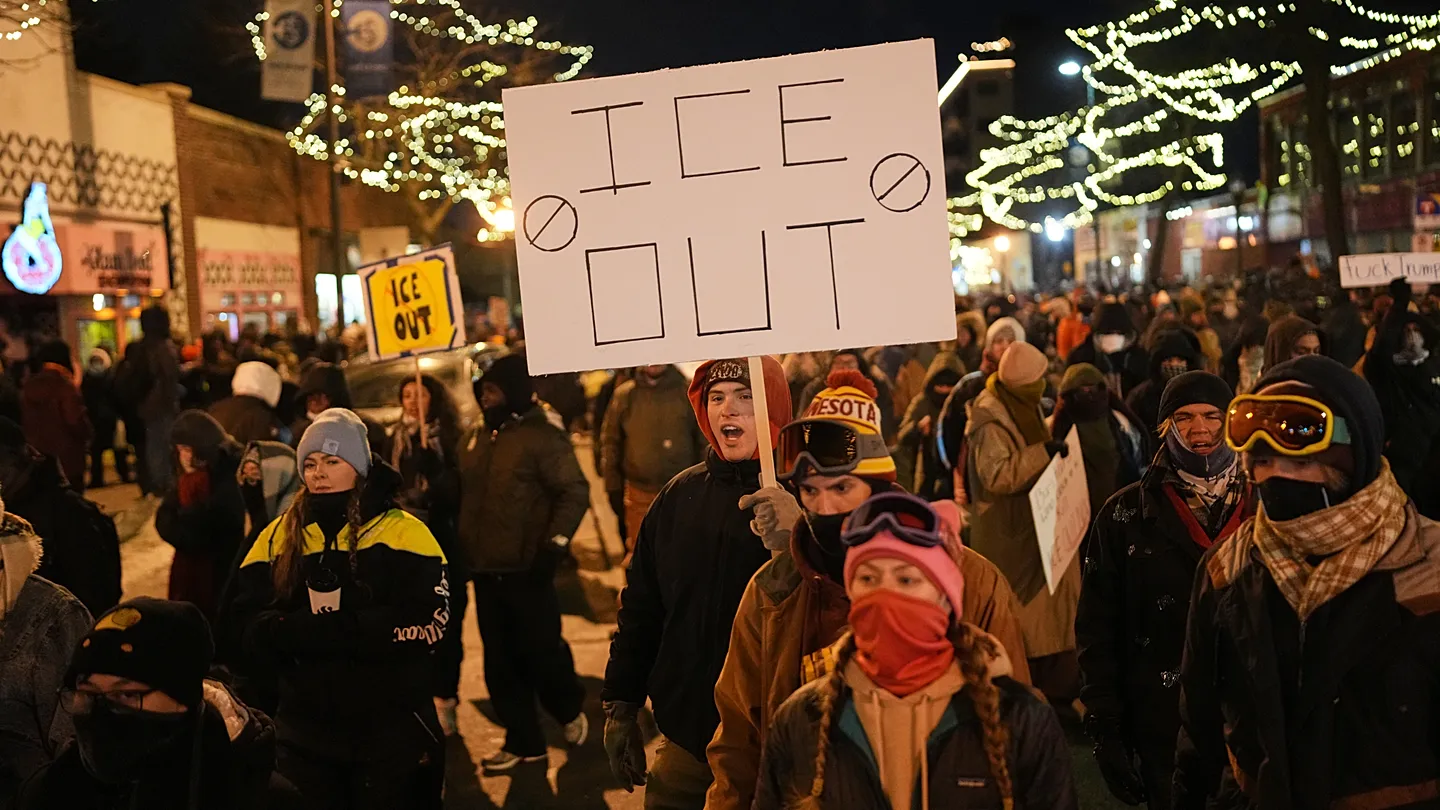
When enforcement turns lethal, legitimacy becomes the real battleground.
Minneapolis, January 2026. The latest fatal shooting involving federal immigration agents has pushed Minnesota into a deeper confrontation with Washington, transforming long standing tensions over immigration enforcement into an open political and social rupture. Following the incident, calls for the withdrawal of U.S. Immigration and Customs Enforcement from the state have intensified, driven by a convergence of public outrage, state level resistance, and renewed scrutiny of federal use of force.
The shooting, which occurred during an enforcement operation in an urban area, immediately ignited protests and emergency statements from local officials. While federal authorities framed the event as a justified response during a lawful operation, eyewitness accounts and preliminary local assessments raised serious questions about proportionality and escalation. This divergence in narratives has become central to the crisis, highlighting a widening gap between federal enforcement logic and local perceptions of public safety.
Minnesota’s political leadership responded swiftly. State officials argued that the presence of federal immigration agents has become a destabilizing factor rather than a protective one, particularly in densely populated communities. Governor Tim Walz publicly questioned the necessity of continued federal operations in the state, signaling a willingness to challenge Washington on both legal and moral grounds. The statement marked a significant escalation, effectively reframing ICE not as a neutral law enforcement body, but as a catalyst for social volatility.
Public reaction has been equally forceful. Demonstrations spread rapidly across Minneapolis and neighboring cities, drawing not only immigration advocates but labor groups, civil rights organizations, and community leaders. The protests reflect more than anger over a single death. They express accumulated distrust rooted in years of aggressive enforcement tactics, perceived lack of accountability, and the militarization of immigration control. For many residents, the shooting confirmed fears that federal operations operate outside the social fabric and oversight mechanisms of the communities they enter.
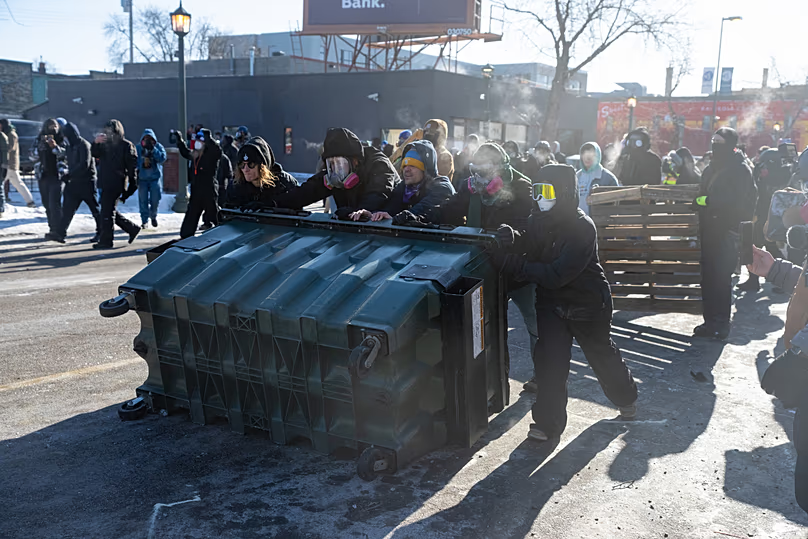
From the federal perspective, ICE maintains that its agents operate within their legal mandate, emphasizing national security, border integrity, and the enforcement of federal law. Officials argue that withdrawing from Minnesota would set a dangerous precedent, undermining uniform application of immigration policy across states. This position reflects a broader assertion of federal supremacy, one that collides directly with Minnesota’s claim to protect its residents from what it considers excessive force.
The conflict exposes a deeper structural tension within the U.S. system. Immigration enforcement occupies a gray zone where federal authority intersects with local sovereignty, public safety, and civil rights. When lethal force is introduced into that space, the balance becomes fragile. Minnesota’s response suggests that states are increasingly unwilling to absorb the political and social costs of federal enforcement strategies over which they have little control.
Strategically, the episode risks amplifying national polarization. Supporters of strict immigration enforcement frame the backlash as ideological resistance that weakens rule of law. Critics, however, argue that legitimacy cannot be sustained through force alone, especially when enforcement actions produce civilian deaths and erode trust. In this framing, the issue is no longer immigration policy itself, but the methods used to implement it.
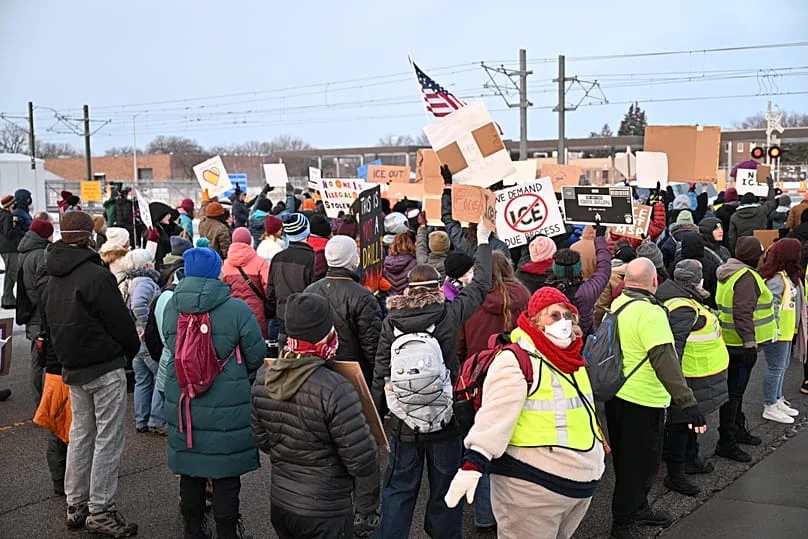
The Minnesota case also signals a potential shift in state federal relations. If calls for ICE’s withdrawal gain traction, they may inspire similar challenges elsewhere, particularly in states with strong local opposition to aggressive enforcement. Such a trend would complicate federal operations and force Washington to reconsider how immigration policy is operationalized on the ground.
At the community level, the consequences are immediate. Fear, anger, and uncertainty now shape daily interactions between residents and authorities. Trust, once fractured, is difficult to rebuild, especially when accountability mechanisms appear distant or opaque. The shooting has thus become a symbol, representing not just a tragic loss of life, but a systemic breakdown in how power is exercised and perceived.
Minnesota’s pushback does not resolve the national immigration debate, but it crystallizes its most volatile dimensions. It raises a fundamental question: can enforcement that repeatedly generates lethal outcomes maintain democratic legitimacy? As protests continue and political pressure mounts, the answer may redefine the boundaries between federal authority and local consent in the United States.
Behind every enforcement action, there is a political choice. Behind every act of force, a structure of power.
Detrás de cada acción de control, hay una decisión política. Detrás de cada acto de fuerza, una estructura de poder.
Behind every data point, there is an intention. Behind every silence, a structure.
Detrás de cada dato, hay una intención. Detrás de cada silencio, una estructura.