

 Phoenix 24
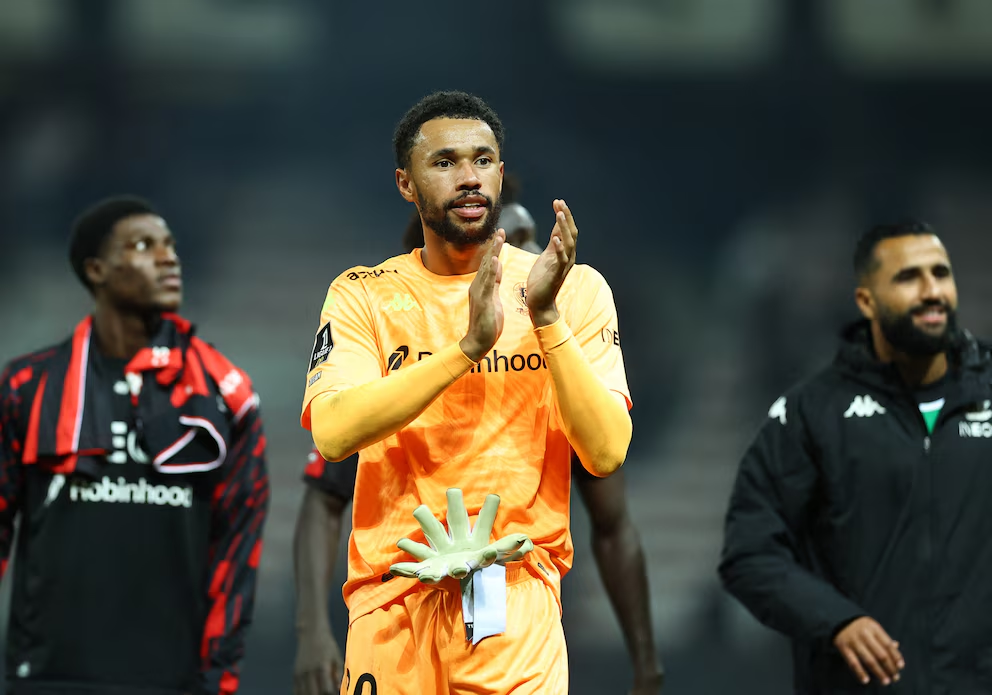
When the unexpected becomes part of the story.
Rabat, January 2026.
Senegal’s remarkable victory in the Africa Cup of Nations final against Morocco was defined by athletic excellence, strategic discipline, and an episode that caught the attention of global audiences for its surreal nature involving something as mundane as a towel. In the closing stages of a rain-soaked championship match, reserve goalkeeper Yehvann Diouf found himself in the middle of an unusual situation when members of the home team and ball attendants repeatedly removed the towel intended to keep starting keeper Édouard Mendy’s gloves dry. The repetition of these exchanges and the bewilderment of those present turned a simple object into a momentary focal point in a high-stakes encounter that was otherwise dominated by tactical battles and narrow margins. Diouf’s own account stressed that his intervention was motivated by a desire to support his teammate’s performance in difficult weather conditions rather than to create drama or conflict. As cameras captured the back-and-forth over the towel, the scene underscored how even minor elements can acquire symbolic weight under the emotional pressure of a final.
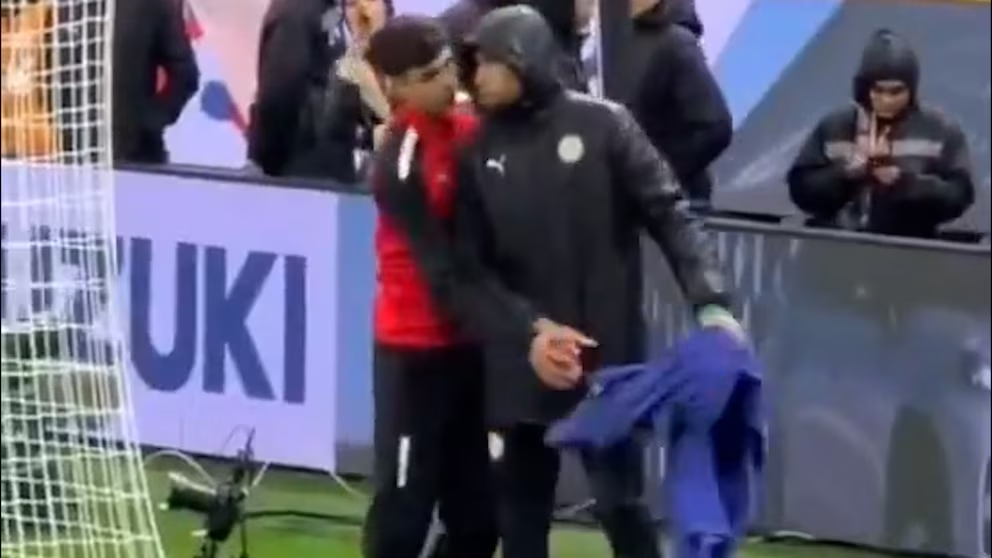
According to Diouf, the exchanges unfolded without clear direction from officials, creating a series of interruptions that contrasted with the disciplined focus expected in continental finals of this stature. He explained that repeated attempts to reposition the towel were met with its removal by other participants, a sequence that he found as bewildering as many observers did. Despite the oddity of the episode, there were no reports of disciplinary actions or formal protests lodged by either side, a fact that Diouf interpreted as recognition of the episode’s absurd, rather than malicious, character. His efforts were rooted in practical concern: ensuring that Mendy, a key figure in Senegal’s defensive solidity, was afforded the basic means to maintain grip and composure under inclement conditions. The incident, rather than overshadowing the sporting contest, instead became a talking point that highlighted the unpredictable human dimension of sport.
Observers and commentators pointed out that the towel episode coincided with a match marked by broader tension and passionate engagement, both on the field and among supporters. The final was contested with intensity, close scorelines, and moments of disputed officiating that kept the outcome uncertain until the end of extra time. In such an emotionally charged environment, even trivial objects and gestures can gain outsized significance as players and staff navigate the pressure of a continental championship. The attention given to the towel back-and-forth revealed how sport often intertwines physical competition with unplanned, spontaneous moments that resonate with audiences precisely because they appear irrational or surreal. These moments remind spectators that sport is not only a sequence of tactics and results, but also a theatre of human behavior under stress.
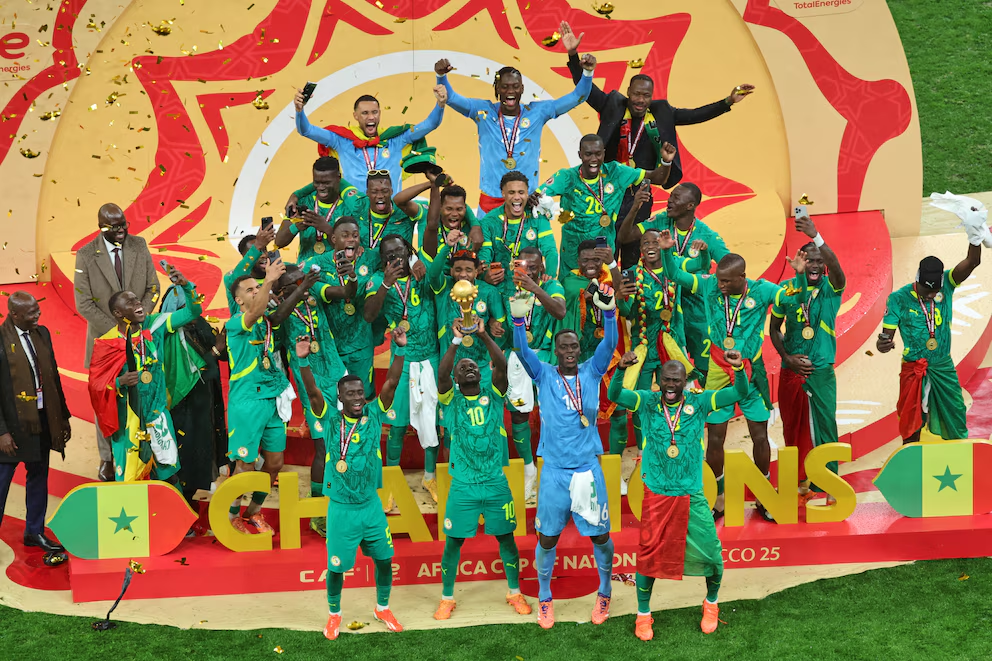
From a broader perspective, the incident illustrates how elite sporting events can generate episodes that defy conventional frameworks yet become part of collective memory and narrative formation. Finals and championship matches are not only athletic contests but also sites where cultural narratives, national pride, and individual expression collide. When unexpected situations arise, they can reveal underlying assumptions about fairness, order, and competitive decorum — assumptions that are tested as participants negotiate the pressures of victory, defeat, and public scrutiny. In this context, the towel episode functioned as a lens through which larger questions about conduct and meaning in sport were projected, prompting discussions that extended beyond the final whistle itself.
For Diouf and his teammates, the towel episode is likely to endure as a quirky footnote embedded within a significant achievement: contributing to Senegal’s national triumph at a major continental tournament. Diouf’s reflection on the moment emphasized his own bewilderment while affirming that his actions were motivated by a commitment to team performance rather than personal theatrics. In doing so, he framed the episode not as a gimmick but as a reflection of the intensity with which elite athletes pursue optimal performance conditions. The final scoreline and Senegal’s continental title remain the core legacy of the match, but the towel incident will be recalled as one of the memorable oddities in recent sport history. This convergence of athletic excellence, human improvisation, and unpredictable circumstance makes this chapter of the Africa Cup final notable beyond standard technical analysis.
Phoenix24: clarity in the grey zone. / Phoenix24: claridad en la zona gris.