

 Phoenix 24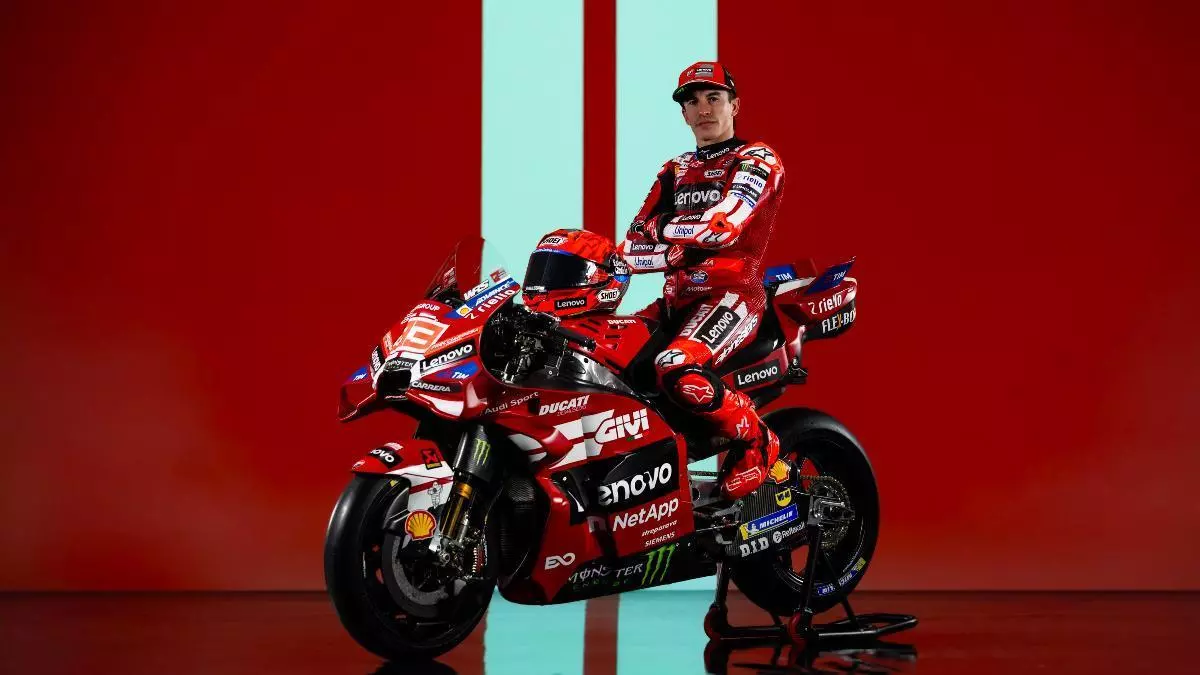
Momentum matters when ambition and uncertainty collide.
Barcelona, January 2026.
In MotoGP this offseason, one of the biggest narratives shaping the paddock revolves around the looming extension of Marc Márquez’s contract with Ducati, a move that could define both the rider’s legacy and the factory’s strategic direction. After an intense run of competition that has seen Márquez repeatedly challenge for wins and podiums, negotiations with Ducati’s factory outfit are said to be in advanced stages, but final terms have not yet been sealed. Team leadership has emphasised that clarity on long-term agreements will follow early pre-season testing, signalling a shift in how top contracts are timed in an era of technical evolution and regulatory anticipation. That approach reflects a broader trend in elite motorcycle racing: agreements are increasingly linked to visible performance indicators rather than early off-season declarations.
Márquez’s own posture in these discussions has been measured and pragmatic. While acknowledging that talks with Ducati are progressing, he has also stressed a desire to evaluate technical prospects and competitive cohesion before committing fully to an extended deal. That stance aligns with insights from the International Motorcycling Federation, which notes that riders with extensive championship experience often prioritise project direction over immediate financial terms. For Márquez, whose career has been marked by adaptability and resilience, the choice of environment and technological trajectory matters as much as contract length or headline figures.
European motorsport analysts point out that the timing of this negotiation is significant because the 2026 regulatory framework is expected to reshape competitive dynamics in ways that favor teams with coherent engineering and rider collaboration. Ducati, a team with multiple constructors’ titles and a history of engineering excellence, views continuity at the rider level as a stabilising pillar in a period of aerodynamic and powertrain evolution. Retaining a rider of Márquez’s calibre serves not only to bolster race-day competitiveness but also to send a message of confidence to sponsors, technical partners and a global fanbase that watches championship narratives unfold with intense scrutiny.
Beyond Europe, perspectives from North American motorcycle sport commentators underscore the strategic complexity of such deals. Analysts based in the United States highlight how long-term contracts have historically affected team morale and development cycles, noting that unresolved negotiations can introduce uncertainty that rivals exploit. In an era where data-driven performance metrics are central to engineering decisions, clarity between rider and team allows for more coherent simulation work and setup refinement, a factor that often separates good race teams from championship contenders.
In Asia, where MotoGP enjoys a rapidly growing following, discussion has focused on the broader implications of rider movement for regional markets and youth development programs. Japanese manufacturers and series organisers have observed that high-profile contract sagas can shift attention toward emerging talents and influence how upcoming riders position themselves for future opportunities. Riders such as Pedro Acosta and others rising through the field have been cited as potential beneficiaries of any delay or redirection in Ducati’s long-term planning. That global interplay between experience and youth mirrors wider competitive ecosystems in elite sport.
Ducati’s internal calculus also considers the presence of Francesco Bagnaia, a multiple title contender whose resilience this season contributed to strategic depth within the team. Balancing the retention of Bagnaia with an extended commitment to Márquez highlights Ducati’s desire to blend stability with dynamism. Technical directors within the team have publicly argued that a cohesive rider lineup facilitates more effective feedback loops between race conditions and development cycles, especially in a landscape where energy recovery systems and aerodynamic packages are being recalibrated.
The broader MotoGP rider market remains fluid, with several contracts maturing and new opportunities emerging across factories and satellite teams. In the current climate, where regulatory shifts are expected to influence competitive balance, teams and riders alike are cautious about premature commitments. Contract negotiations thus become part of the strategic narrative that unfolds as the season approaches, shaping not only individual careers but also collective expectations for performance hierarchies.
For Márquez, whose career has been defined by a relentless pursuit of performance and an ability to adapt to changing technical contexts, the decision with Ducati involves more than titles and statistics. It encompasses questions about long-term project alignment, technical evolution and the environment in which he believes he can continue to excel. As pre-season testing draws closer, both parties appear intent on solidifying an agreement that reflects mutual confidence rather than rushed consensus.
The unfolding negotiations between Marc Márquez and Ducati encapsulate a broader professional reality in MotoGP’s current era: elite contracts are not merely transactions, but statements about direction, belief and partnership. The closer this particular agreement comes to resolution, the more it reveals about how the sport’s top competitors navigate the intersection of competition, change and continuity.
Phoenix24: journalism without borders. / Phoenix24: periodismo sin fronteras.