

 Phoenix 24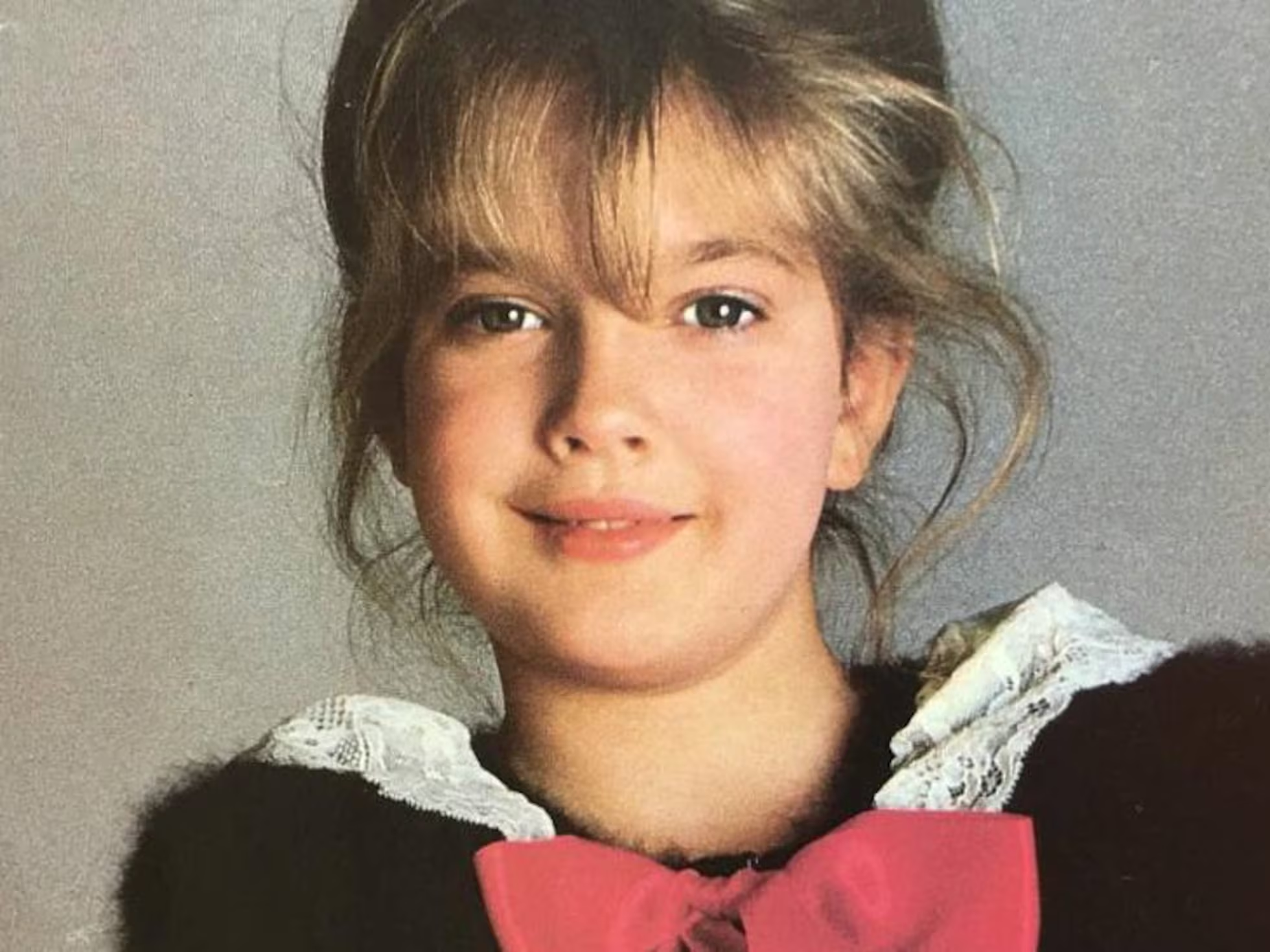
It was not vanity questioned, it was identity challenged.
Los Angeles and Hollywood Culture, January 2026.
Long before she became a household name as an actress, producer and television host, Drew Barrymore was a child in the spotlight whose body was subject to public commentary in ways that shaped her understanding of self. In recent reflections, Barrymore has spoken candidly about the criticisms she heard when she was just ten years old—comments from adults and peers alike that she was “too fat” for the roles she was being offered or the way she appeared on screen. What might seem to some like a transient childhood remark, for Barrymore became a formative encounter with the pressures that attach early to bodies in performance culture, particularly for girls whose appearance is monitored not only by audiences but by the very industry that depends on their images.

Barrymore’s candid discussion about those early experiences reveals how intensely early life in the entertainment world can intersect with broader social standards about body image. At ten, many children are just beginning to negotiate their own sense of self, learning how to balance personal preferences with external feedback from family, school and social circles. For Barrymore, that negotiation was complicated by professional expectations and the magnifying effects of public visibility. The suggestion that her body needed to conform to certain ideals was not simply a reflection of aesthetic preference, but became a message about acceptance, belonging and worth in contexts where appearance carries enormous weight.
The impact of such early criticism extends beyond individual memory. It resonates with a cultural pattern in which children, especially girls and young women, are taught to measure themselves against standards that are often arbitrary, contradictory and deeply commercialized. Hollywood, with its powerful role in shaping visual culture, has for decades influenced public perceptions of beauty, success and desirability. When a child is positioned within that culture, the feedback they receive—whether direct or implicitly conveyed through casting decisions and media commentary—can become a persistent element of their narrative. Barrymore’s reflections are therefore not only personal recollections but also testimony to the broader pressures that young performers often absorb.
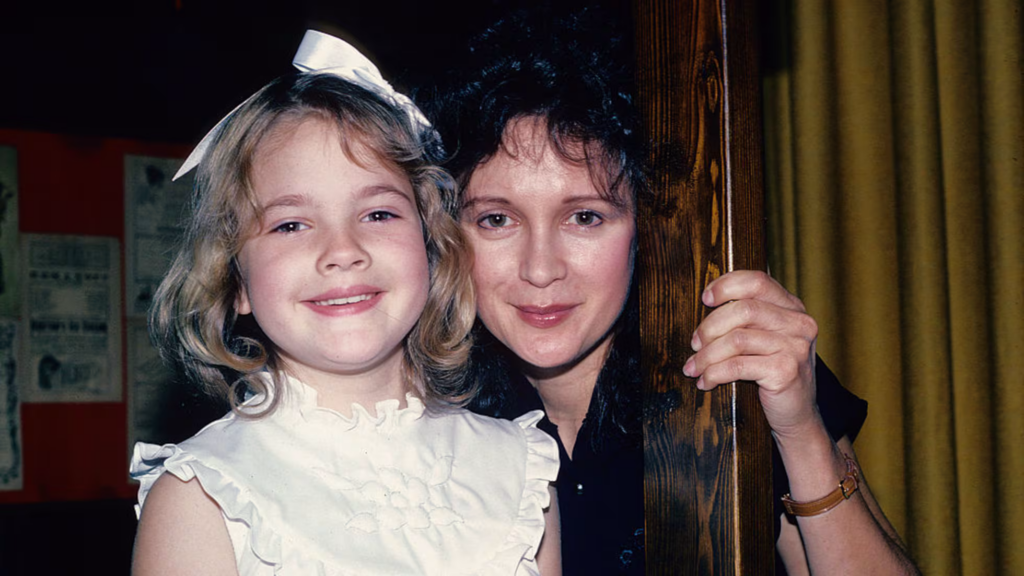
In speaking about these early experiences as an adult, Barrymore highlights the contrast between the innocence of childhood and the intensity of public evaluation. What begins as a professional comment can quickly become internalized as a personal truth, shaping how a young person perceives themselves in relation to the world. Her commentary underscores the need to distinguish between performance critiques that are relevant to craft and commentary that crosses into territory that affects psychological development and body relationship. The difference is not merely semantic. It speaks to how criticism, when tied to physicality rather than skill or expression, can have cascading effects on self-esteem and identity formation.
Barrymore’s evolution from child actor to seasoned professional, producer and advocate provides a lens through which to consider these dynamics. Her career, spanning decades and encompassing a variety of roles behind and in front of the camera, reflects a journey not only of artistic growth but of personal reconciliation with the messages she received early in life. By speaking openly about her past, she contributes to a larger cultural conversation about how children in entertainment negotiate their place in an industry that so often foregrounds appearance. Her voice adds nuance to discussions that are sometimes polarized between critique and celebration of performance culture, reminding audiences that human experience cannot be reduced to roles or ratings.
Her reflections also intersect with contemporary movements that challenge narrow definitions of body norms and advocate for more inclusive representations in media. As conversations about diversity, equity and representation have broadened, there is increasing recognition that bodies of all sizes, shapes and appearances deserve visibility without stigma. Barrymore’s willingness to discuss the early discomfort she experienced contributes to this broader effort by normalizing conversations about body image and by encouraging a shift from judgment to empathy in how audiences and industries perceive performers of all ages.
At a cultural level, Barrymore’s story illustrates how early life experiences, especially in highly visible roles, can have implications that extend across a lifetime. It also highlights the responsibility of cultures and industries to consider the effects of their commentary, especially on children whose sense of self is still forming. The entertainment world, with its unique power to shape public perception, has an opportunity to model forms of feedback that support development rather than undermine it.

Ultimately, Barrymore’s reflections are a reminder that critique tied to body image, especially in childhood, is not a neutral comment but a formative message with potential psychological weight. Her journey from a ten-year-old receiving offhand remarks to an adult advocating for understanding and respect exemplifies how individuals can reclaim narratives that once wounded them. It also shows how personal stories, when shared publicly, can contribute to collective shifts in how society talks about bodies, performance and self-worth.
In giving voice to what she experienced, Barrymore turns early criticism into an invitation for empathy, insight and change in how we nurture both performers and the children they once were.
Detrás de cada dato, hay una intención.
Detrás de cada silencio, una estructura.