

 Phoenix 24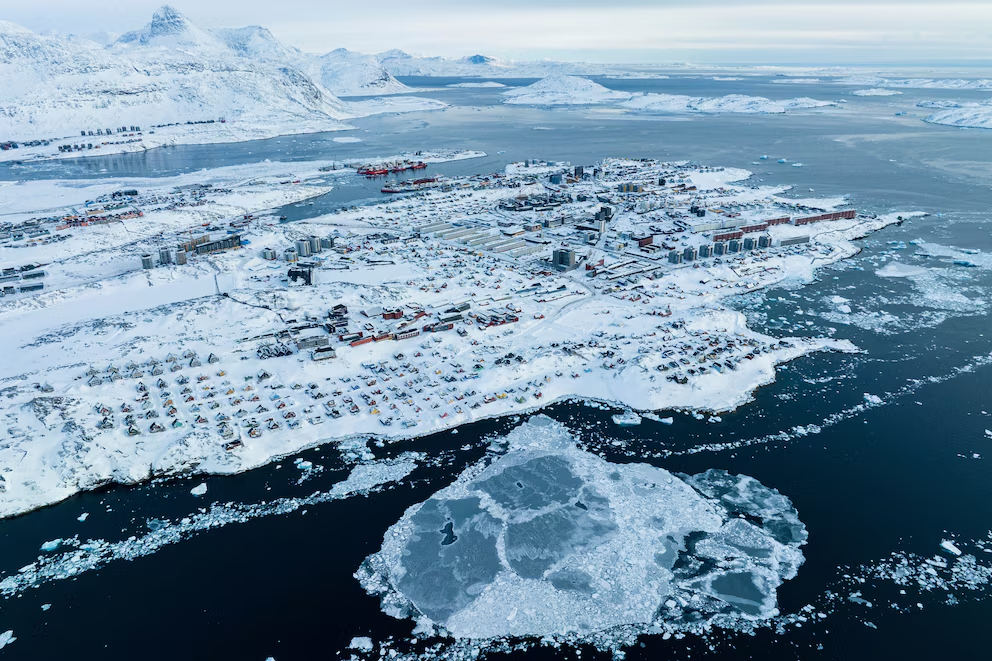
A sentence that reopened global tensions around sovereignty, the Arctic and alliance loyalty.
Washington, January 2026.
Donald Trump stated that the United States would ensure control over Greenland “one way or another,” arguing that without strong American influence, rival powers such as Russia and China could gain strategic advantage on the Arctic island. He described Greenland, an autonomous territory within the Kingdom of Denmark, as essential for U.S. national security because of its geographic position and its reserves of critical minerals.
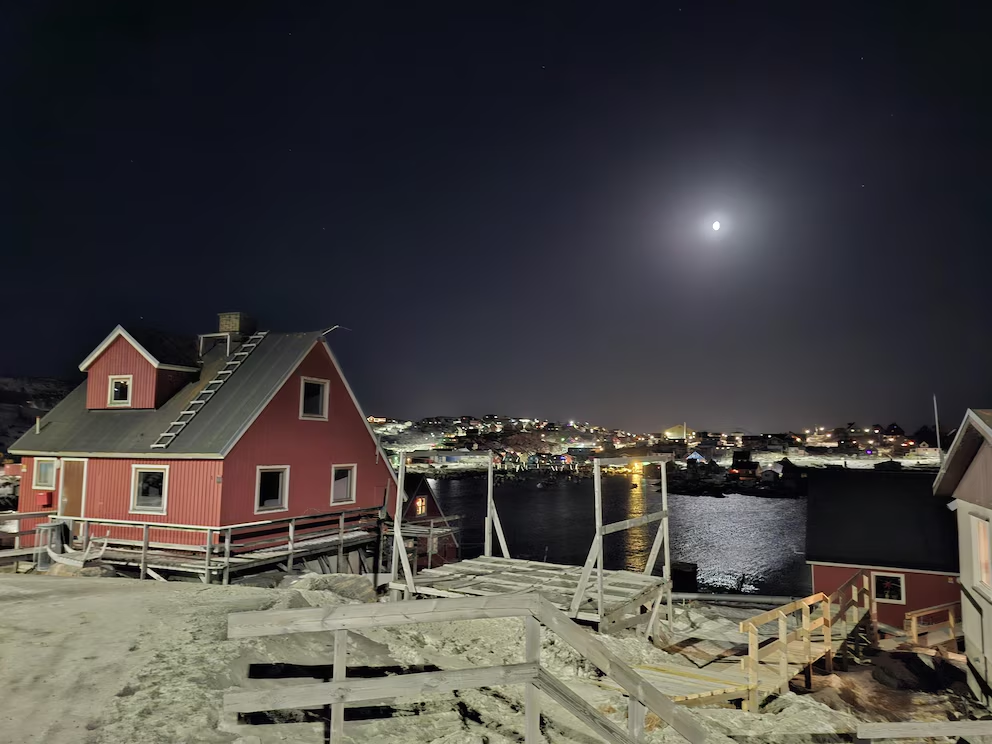
Trump said that Greenland’s location makes it a key node for Arctic defense, surveillance and future shipping routes. In his view, relying only on existing agreements is not enough to guarantee U.S. interests in a region that is becoming more militarized and economically valuable. He added that he would prefer a negotiated solution, but warned that if diplomacy failed, the United States would still pursue its objectives.
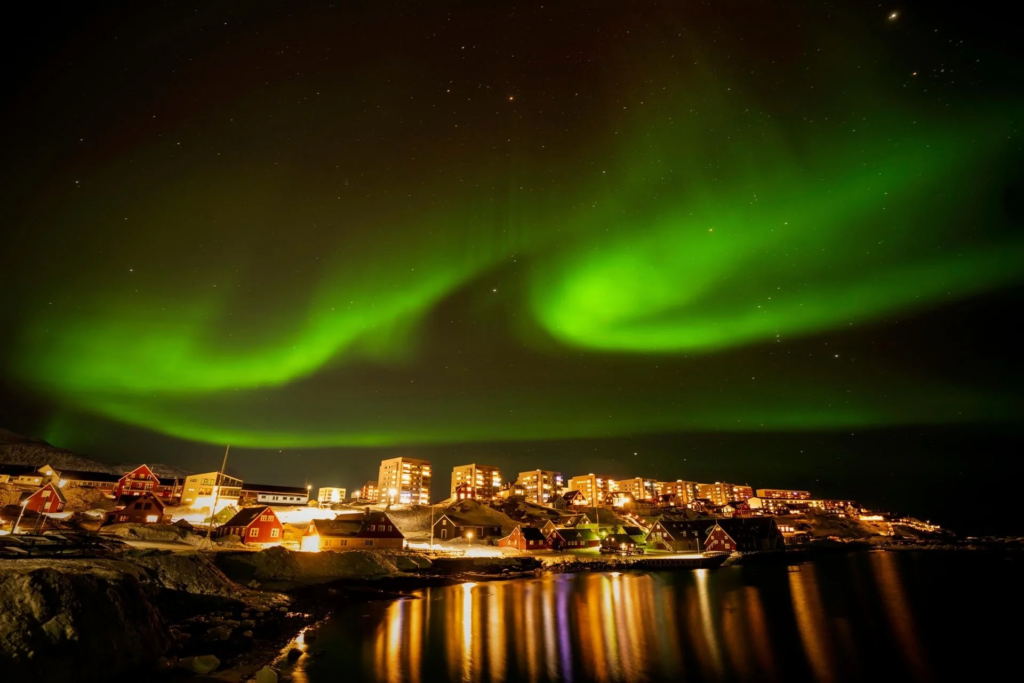
The remarks immediately triggered strong reactions from Greenlandic and Danish authorities. Leaders in Greenland insisted that the island’s future can only be decided by its own population and rejected any idea of foreign control. Denmark, which maintains sovereignty while granting Greenland wide autonomy, also reaffirmed that no external power has the right to impose control over its territory.
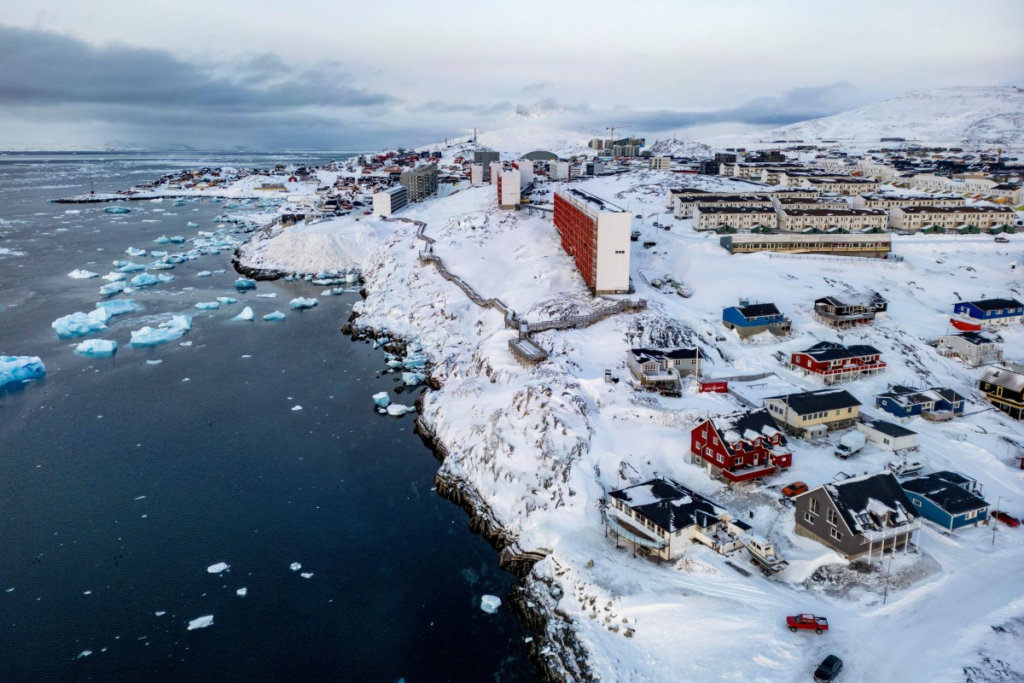
European governments and NATO partners reacted with concern. Several officials warned that any attempt by a NATO member to dominate territory linked to another ally would undermine trust inside the alliance. They stressed that collective security depends on respect for sovereignty, not on unilateral moves justified by strategic anxiety.
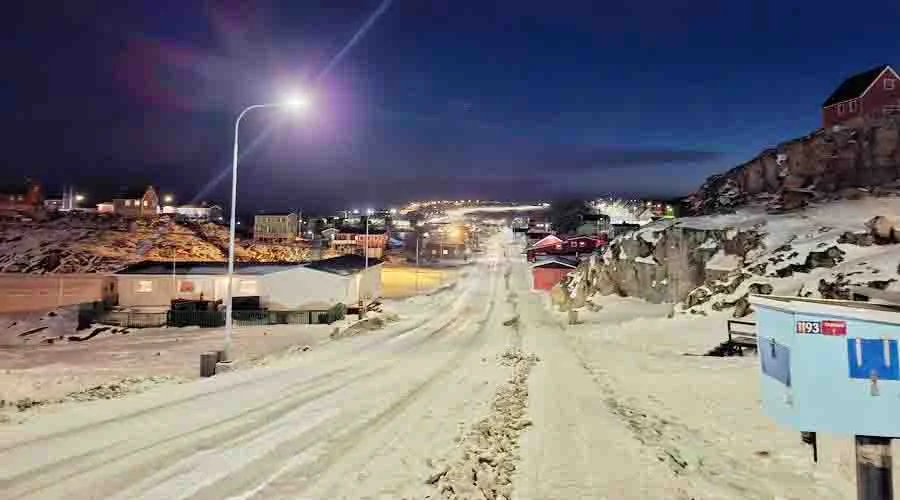
Greenland has become increasingly important as the Arctic opens due to climate change. Melting ice is creating new shipping lanes and easier access to natural resources such as rare earth minerals, oil and gas. These changes have attracted growing interest from the United States, China and Russia, turning the region into a zone of strategic competition.
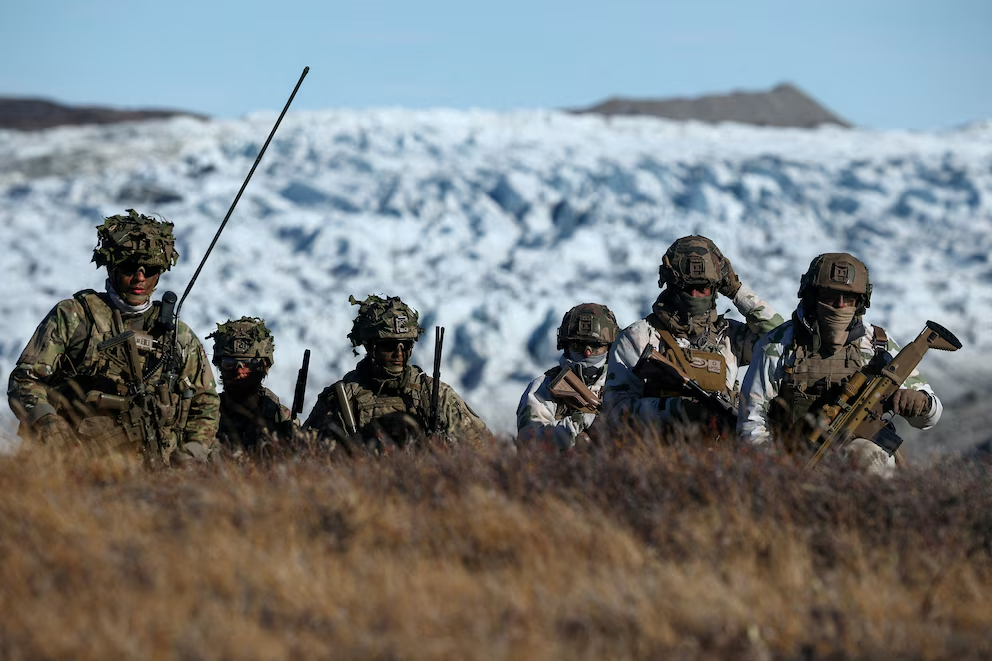
Trump argued that American control would prevent hostile powers from establishing a foothold near North America. His language, however, raised fears of a return to power politics based on pressure rather than consent. Legal experts noted that there is no mechanism for the United States to take control of Greenland without violating international law and Denmark’s sovereignty.
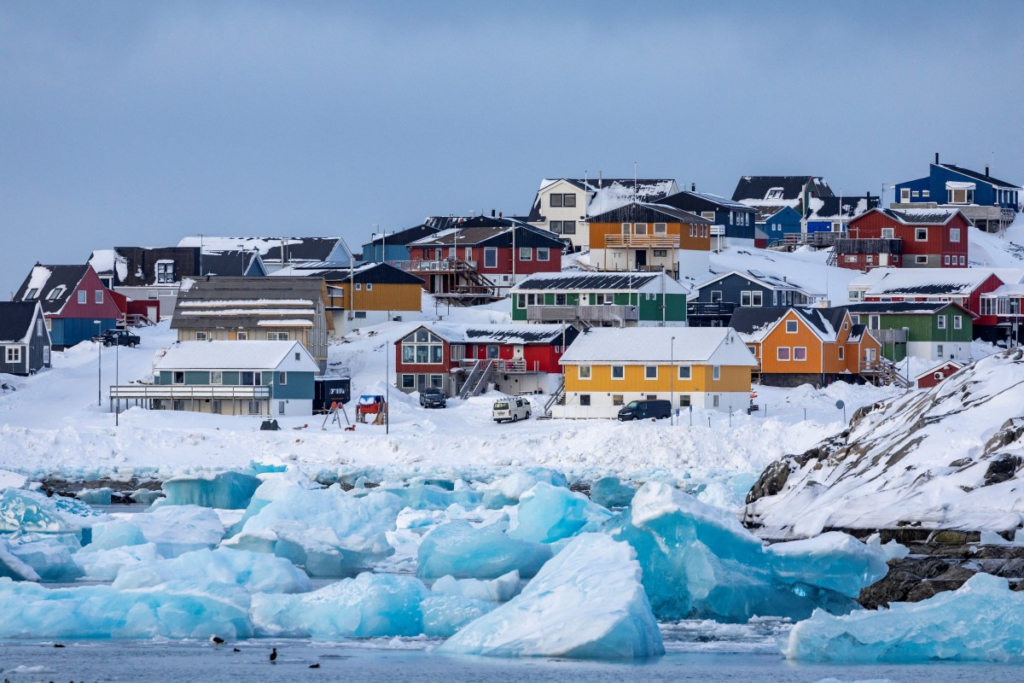
Greenland’s government reiterated that it is not for sale, not for transfer and not open to foreign domination. Any future change in its status, they said, must come through democratic choice by Greenlanders themselves, not through external pressure.
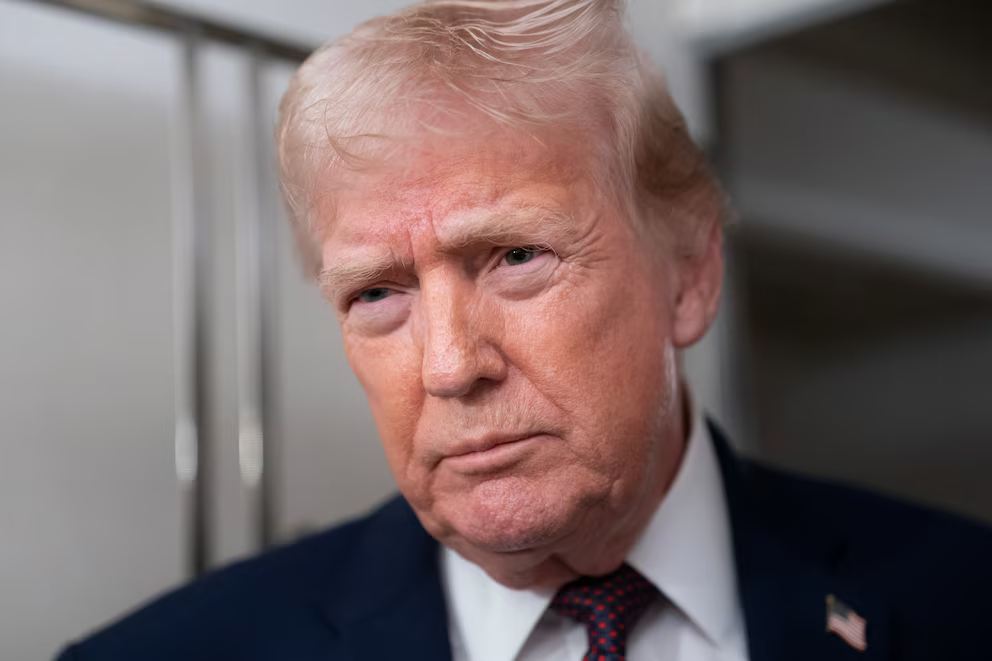
The episode highlights a deeper conflict between security logic and political legitimacy. Strategic value alone does not override the rights of peoples or states. Trump’s words revived an old question in global politics: where does national interest end and the sovereignty of others begin?
Every silence speaks.