

 Phoenix 24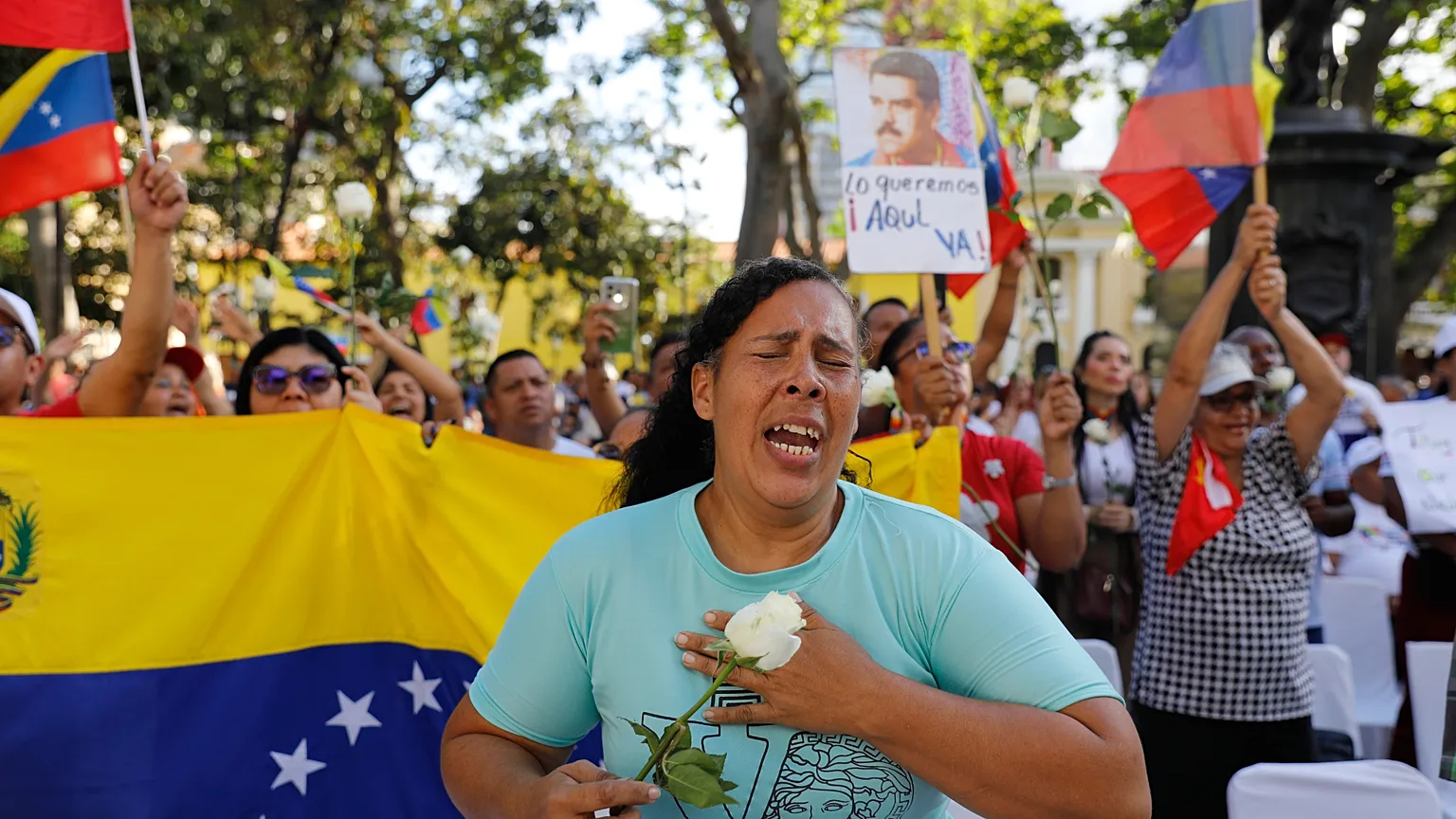
Freedom that depends on permission is never the same as freedom protected by law.
Caracas, January 2026. The Venezuelan government announced the release of 116 people classified as political prisoners, raising the official total of recent excarcerations to 133. The announcement was framed as a gesture of reconciliation after years of repression, arbitrary detention and the use of courts as instruments of political control. Yet in a country where prison has long functioned as a language of power, numbers do not explain reality. They only introduce it.
The official narrative speaks of review and normalization. In that version, the state is not correcting injustice, only adjusting excess. The difference is not rhetorical. To correct means to accept responsibility. To adjust means to keep control and decide when to loosen it. In Venezuela, control has always mattered more than consistency.
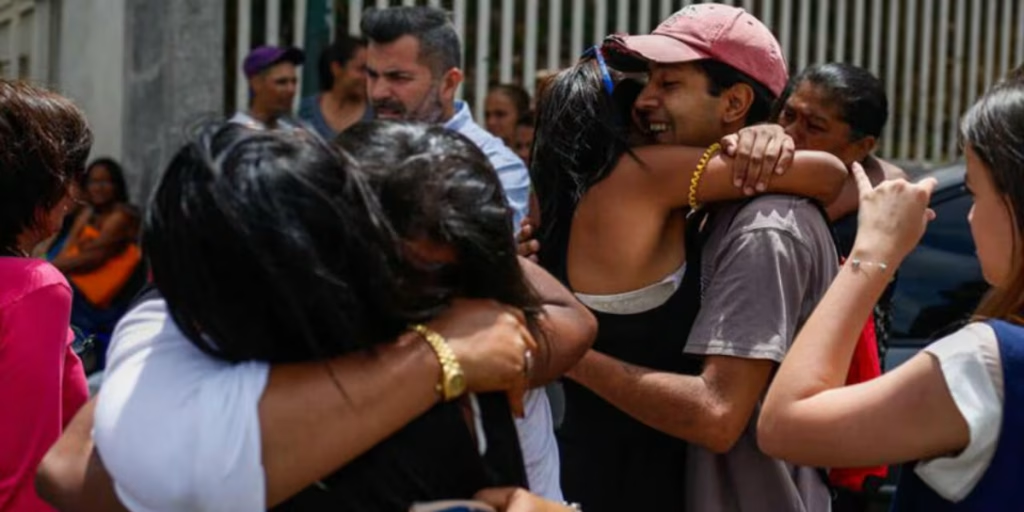
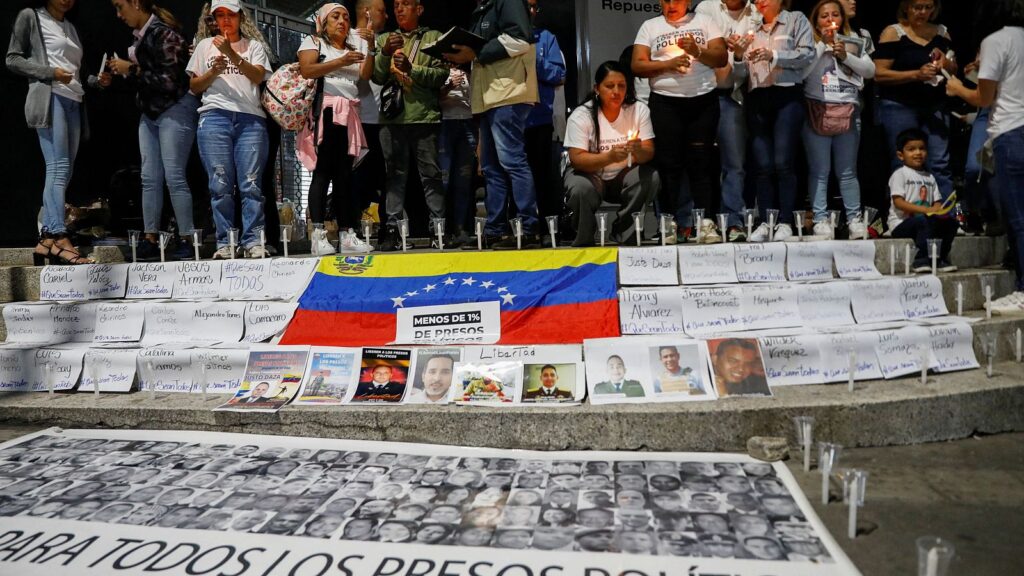
Outside detention centers in Caracas and nearby regions, families waited with bags, documents and photographs worn thin by time. Some gates opened. Some names were called. Others were not. Many left with relief. Many left with the same uncertainty they brought. In Venezuela, hope is rarely whole. It is distributed in fragments.
Human rights organizations quickly urged caution. Groups that monitor political detentions confirmed some releases but not all. They warned that official figures often exceed what can be independently verified. That gap between announcement and reality is not a technical problem. It is structural. Power is exercised not only through force, but through ambiguity. People are not only detained. They are blurred out of clarity.
These releases did not occur in isolation. They emerged under political pressure, both domestic and international. Economic exhaustion, social fatigue, diplomatic negotiations and global scrutiny created incentives for visible gestures. Releasing prisoners is one of the fastest ways to send a signal without dismantling the machinery that produced the prisoners. It costs little institutionally and yields much symbolically.
The essential question is not how many were freed. It is why they were imprisoned. Many were arrested for protesting, organizing, documenting abuses, speaking publicly or simply being in the wrong place at the wrong time. Charges were vague. Trials were delayed or irregular. Lawyers were blocked. Families were intimidated. Detention itself became the punishment, not the process.
For that reason, every release has two meanings. For the person who leaves, it is relief. For the system, it is proof that freedom depends on political calculation, not on rights. When freedom is granted, it is not guaranteed. What is granted can always be taken back.
There is also the pattern of the revolving door. While some leave, others enter. The total number of political prisoners remains high even as individual names change. This produces the illusion of progress without real transformation. The system moves enough to appear different, while remaining essentially the same.
For those who return to the street, prison does not end at the gate. Many face surveillance, restrictions, travel bans or conditional freedom. They are outside, but not free. The shadow of confinement follows their steps and shapes their choices. Silence becomes survival.
The government presents these actions as proof of a new phase. But phases without reforms are stage sets. The judiciary remains subordinated. Security forces remain largely unaccountable. Political opposition remains vulnerable. No structural guarantee has been announced to prevent the same abuses from repeating.
International reactions have been divided. Some governments welcomed the releases as a positive sign. Others treated them as bargaining currency. In authoritarian systems, selective mercy is often a diplomatic tool. Prisoners become chips on a negotiating table.
From a regional perspective, Latin American organizations focused on democracy and human rights have stressed that releases must be accompanied by institutional change. They argue that freedom cannot depend on discretion. It must depend on law. From Europe, several parliamentary groups have insisted that gestures without reform only postpone crisis. From North America, advocacy organizations have warned that cycles of release and re-arrest are designed to exhaust resistance, not to resolve it.
Inside Venezuela, the reading is different. People do not ask how many were released. They ask who controls fear. As long as detention can be arbitrary, silence remains rational. As long as justice is negotiable, rights remain fragile.
There is also a moral tension in celebrating partial justice. Every release is a human victory. But it is also a reminder of how low expectations have fallen. In a normal system, freedom is not news. In Venezuela, it becomes news because it was turned into an exception.
The crisis is not only political. It is psychological. Years of repression teach caution rather than courage. They normalize abuse. They replace demand with gratitude. When someone thanks power for returning what it never had the right to take, power has already won part of the battle.
These releases will matter only if they are a beginning and not an ending. That requires independent judges, due process, open political space and guarantees of non-repetition. None of that is secured. Without those changes, every liberation will remain provisional, and every citizen will remain potentially disposable.
For now, what exists is a gesture suspended between relief and manipulation. It comforts some. It convinces few. It helps the state speak to the outside world more than it helps society breathe inside the country.
Venezuela does not need generosity from power. It needs limits on power. It does not need pardons. It needs rights.
As long as freedom depends on negotiation, every release will carry the same shadow: the certainty that everything can happen again.
La verdad es estructura, no ruido.
Truth is structure, not noise.