

 Phoenix 24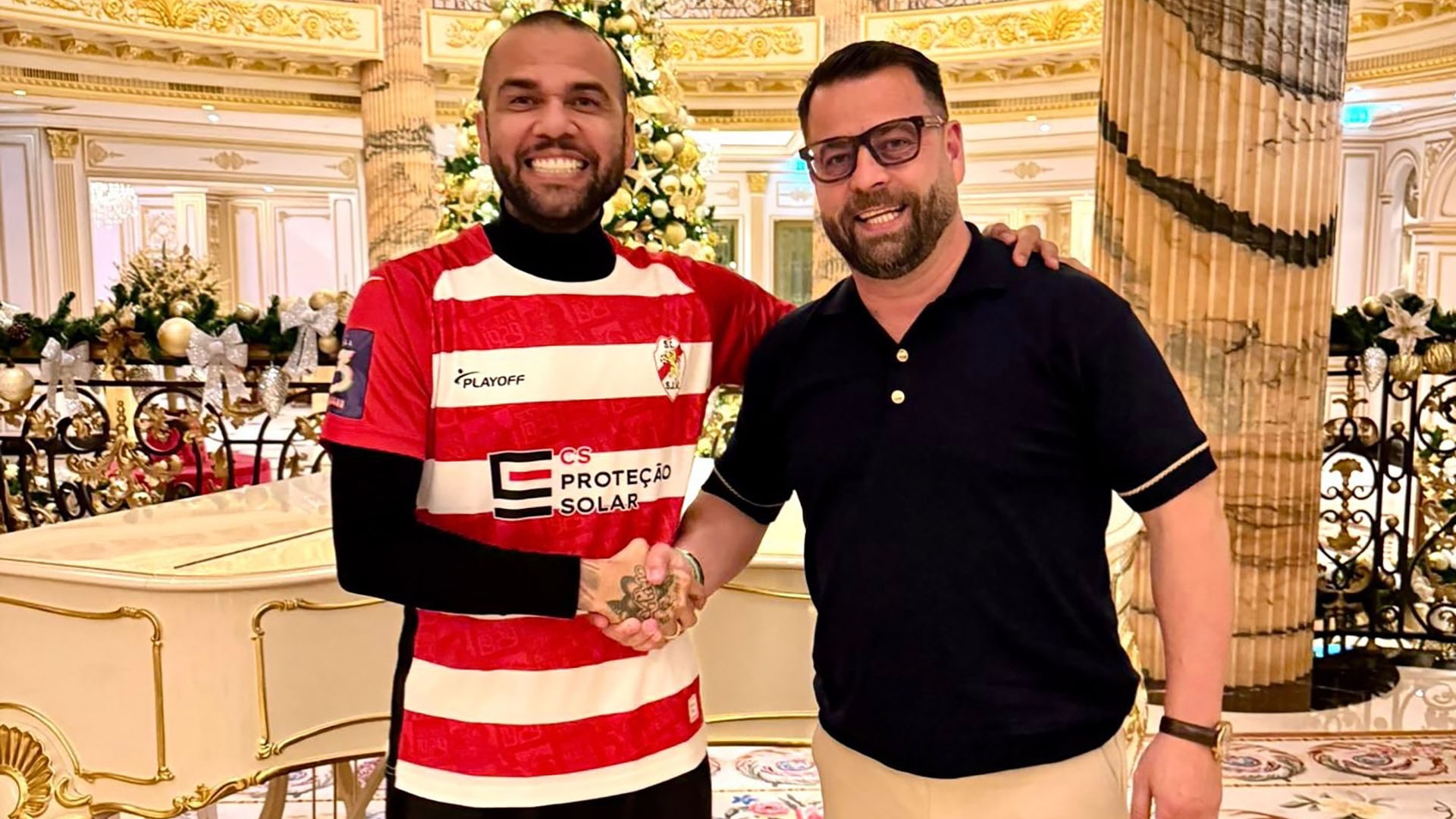
A surprising chapter unfolds as a decorated veteran turns owner and contemplates a comeback.
Barcelona, January 2026. A well-known former Barcelona player who shared multiple trophies with Lionel Messi has taken an unexpected step off the pitch by purchasing a professional football club, and is now publicly considering a return to competition after more than two years away. The move has captured attention across football circles, blending sporting nostalgia, business ambition and the rare spectacle of a high-profile athlete returning to competitive play in his mid-thirties.
The former star in question built much of his reputation during the early 2010s, when Barcelona dominated both domestic and European competitions. He was a consistent presence alongside Messi during the club’s peak years, contributing to La Liga titles and Champions League triumphs. After departing Barcelona, he continued a solid professional career abroad, earning respect but never quite escaping the shadow of his peak years at Camp Nou.
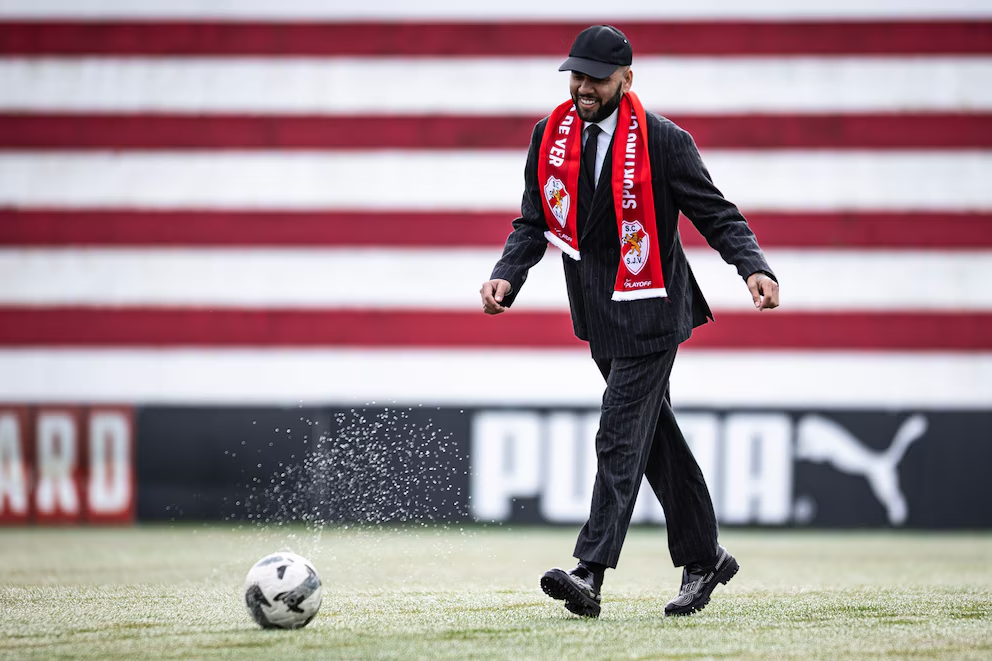
Two seasons ago, he announced a hiatus from professional football. Official statements at the time cited a desire to rest, recover from lingering injuries and spend more time with family. In interviews, he made clear that football would always be part of his life, but that retirement felt appropriate at that moment. That stance made his recent actions all the more surprising to fans and analysts alike.
The club he acquired competes in a competitive second-division league, with ambitions to rise into top-flight competition. Sources close to the acquisition describe the purchase as part of a broader vision that blends sporting development, youth investment and brand expansion. His stated goal is to build a team that can blend veteran experience with emerging talent, creating a sustainable project rather than simply chasing short-term success.
Alongside his investment, the former Barcelona star has publicly acknowledged the possibility of registering himself as a player. While cautious about declaring a firm decision, he affirmed that the door remains open if fitness, opportunity and team needs align. In doing so he became one of the few modern players to contemplate both ownership and active competition simultaneously.
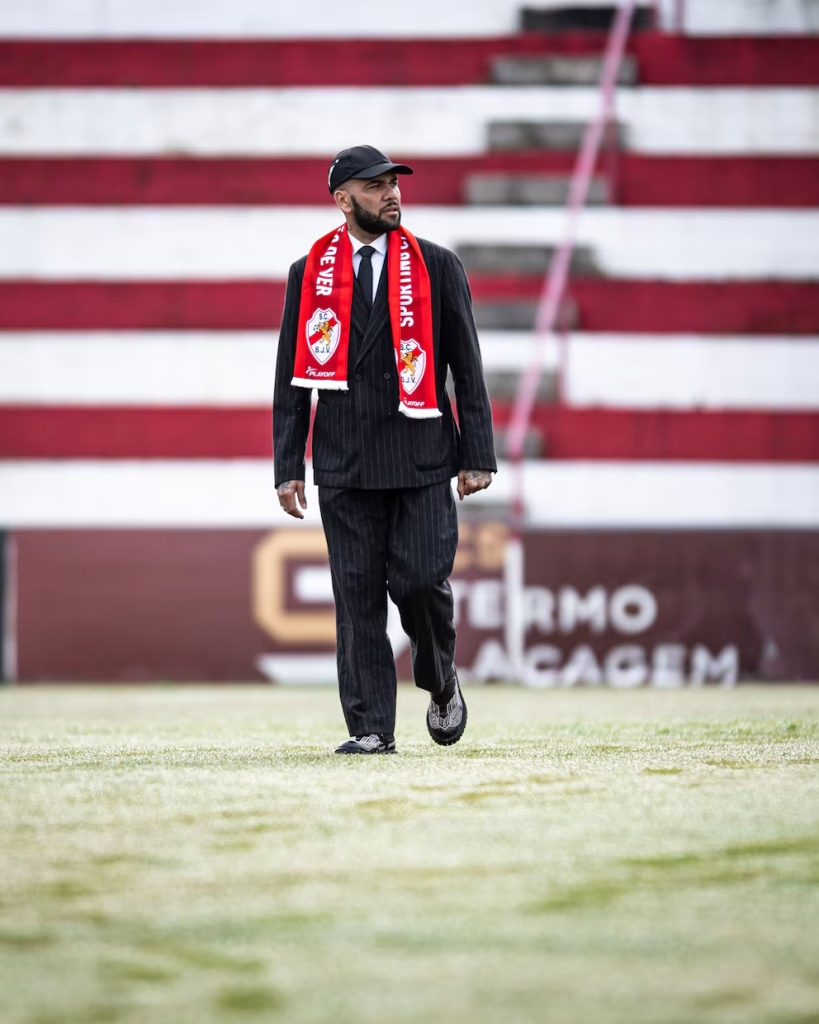
Reactions from the football community have been mixed. Supporters of the club he acquired celebrated the news, seeing his experience and name recognition as assets that could attract fans, sponsorship and media attention. Critics, however, caution that the dual role of owner-player is fraught with challenges, including potential conflicts of interest, questions about squad dynamics and the difficulty of performing at a professional level after a prolonged absence.
The former star’s teammates from his Barcelona days welcomed the news publicly, with several posting supportive messages on social media. Messi himself, now playing abroad, reacted with a mix of encouragement and humor, noting that his former colleague “still has that fire” and joking about facing him on the field again.
Football analysts emphasize that a comeback is not impossible, but it is difficult. Professional football demands constant physical conditioning, and the gap of two seasons without competitive minutes represents a significant obstacle. That said, players with strong tactical intelligence and technical skill can sometimes compensate for the physical toll, especially in leagues outside the elite. His leadership presence could also be an asset in the dressing room.
From a business standpoint, the acquisition aligns with a growing trend of former players transitioning into ownership roles. Around the world, ex-professionals are buying clubs, investing in academies and entering executive roles as they seek new ways to remain connected to the sport. What makes this case unusual is the simultaneous consideration of returning as a player, a choice rarely seen at this level.
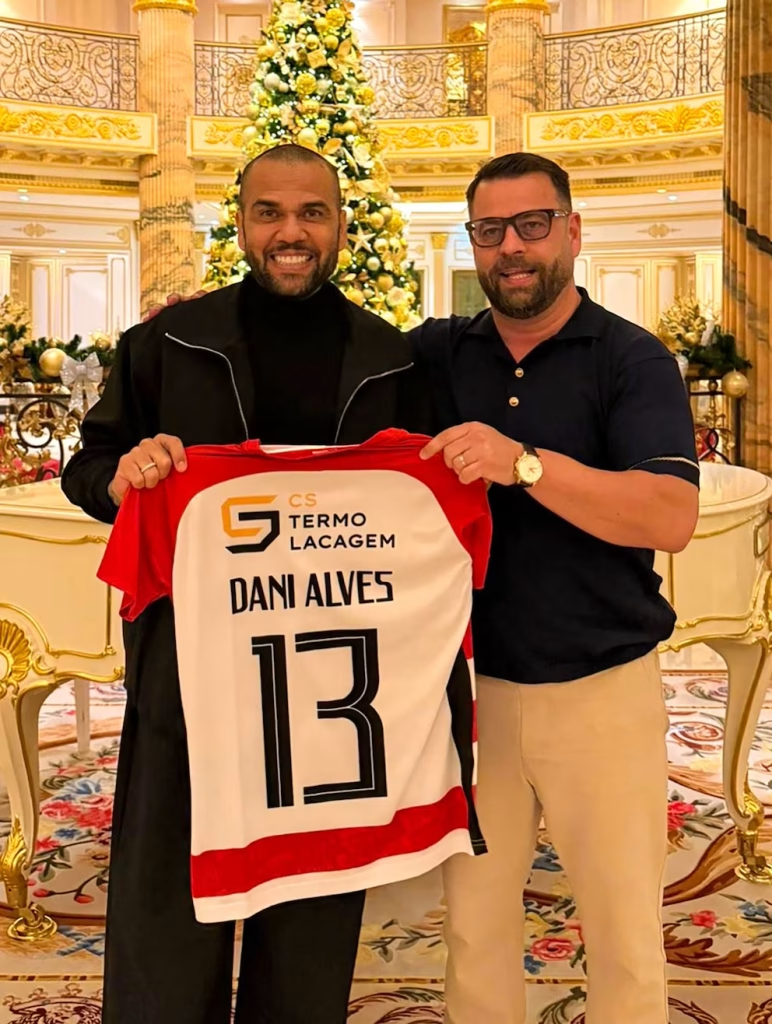
The club’s performance landscape will shape the feasibility of his on-field return. If the team begins the season well and contends for promotion, the argument for adding a veteran presence strengthens. If results lag, however, pressure from fans and media could shift focus toward organizational stability over sentimental narratives.
In broader football culture, the story resonates because it combines elements of nostalgia, ambition and disruption. It reminds fans of past glories while inviting speculation about what former champions can achieve when they step into new arenas. Football is replete with tales of comebacks, but few involve the added complexity of ownership and strategic leadership.
Ultimately, whether he steps onto the pitch again or builds his club from the sidelines, the former Barcelona star has opened a new chapter that intersects sport, business and personal legacy. In doing so, he adds a compelling layer to the ongoing conversation about how athletes define themselves after their peak competitive years.
Phoenix24: clarity in the grey zone.
Phoenix24: claridad en la zona gris.