

 Phoenix 24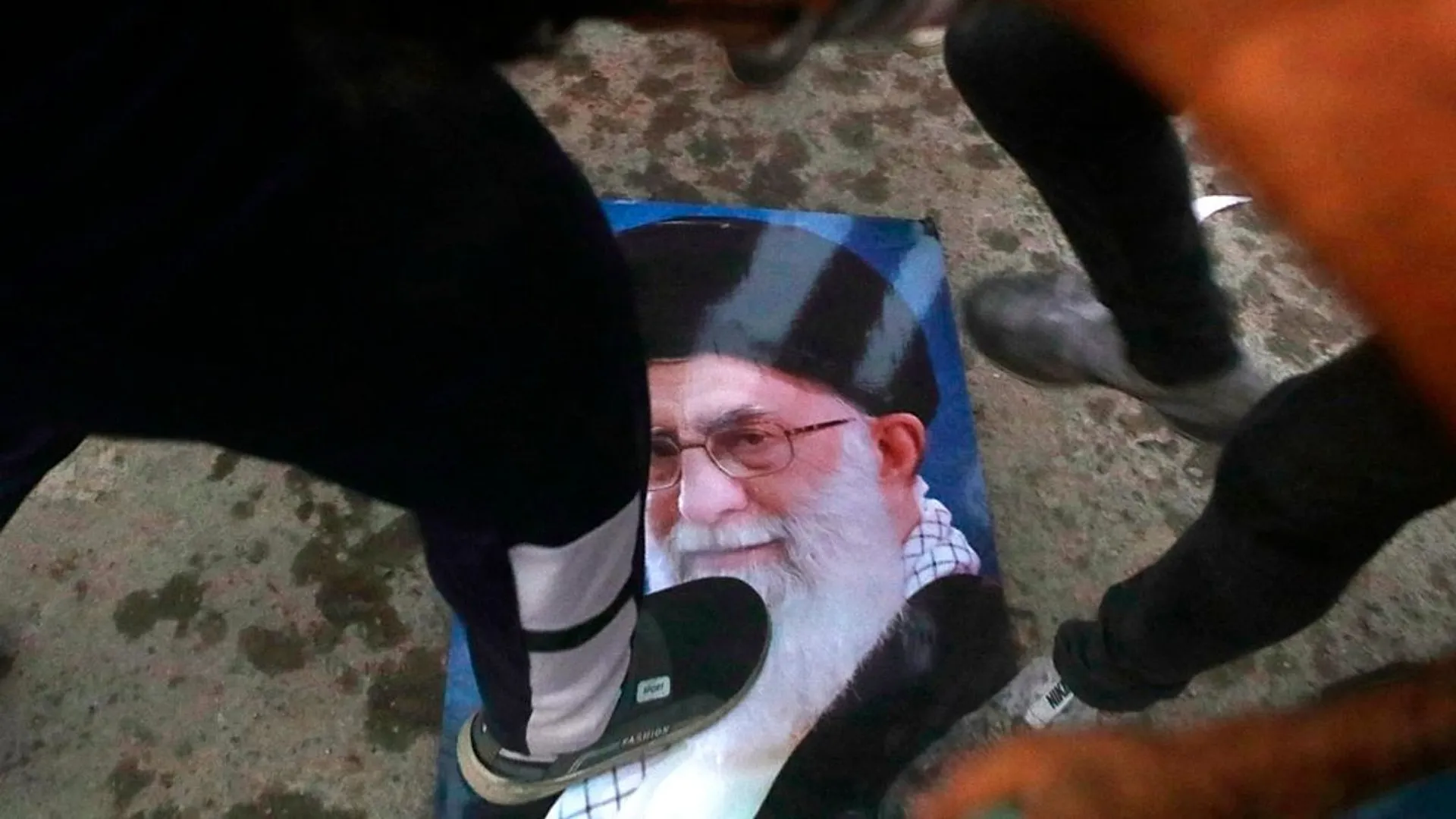
In moments of deep political fracture, symbols often speak louder than slogans.
Tehran, January 2026.
Images circulating from Iran over recent days show women publicly burning photographs of Supreme Leader Ayatollah Ali Khamenei, in some cases using the flames to light cigarettes. The acts, brief yet deliberately staged, have become some of the most potent visual expressions of defiance to emerge from the latest wave of unrest gripping the country. In a system where reverence for authority is enforced not only by law but by doctrine, the destruction of such imagery carries a weight that extends far beyond the gesture itself.
These scenes have surfaced amid widespread protests driven by a convergence of economic strain, political exhaustion, and long standing grievances over personal freedoms. Inflation, currency depreciation, and declining living standards have intensified public anger, but the protests have rapidly expanded into a broader challenge to the legitimacy of Iran’s ruling structure. Within this context, women have once again assumed a central role, not only as participants but as authors of the movement’s most resonant symbols.
Burning the image of the Supreme Leader is considered a severe offense under Iranian law, one that can carry heavy legal consequences. The decision to perform such an act publicly, and to record it, reflects a calculated escalation rather than spontaneous outrage. By pairing the act with smoking, itself stigmatized and restricted for women in public spaces, protesters compress multiple layers of dissent into a single visual statement. It is at once political, social, and cultural.
Verification inside Iran remains difficult. State controls over information, periodic internet shutdowns, and restrictions on foreign media limit independent confirmation. Nevertheless, analysts specializing in digital verification note that similar footage has emerged from different urban areas, suggesting that these acts are not isolated incidents but part of a wider pattern of symbolic resistance. The rapid circulation of the videos, despite censorship, highlights the adaptability of protest networks operating under surveillance.
International observers see these acts as a continuation of a trajectory that has unfolded over recent years, particularly since women led protests against compulsory dress codes and gender restrictions. What distinguishes the current moment is the direct targeting of the highest symbolic authority in the Islamic Republic. In previous protest cycles, criticism was often channeled toward institutions or policies. Here, the challenge is personalized and unmistakable.
Government reaction has followed a familiar script. Security forces have intensified patrols, arrests have been reported, and authorities have sought to suppress dissemination of protest imagery. Officials have framed the acts as foreign influenced provocations or moral transgressions, a narrative consistent with past responses to internal dissent. Human rights organizations outside Iran continue to document detentions and warn of escalating repression, particularly against women and young protesters.
From a psychological perspective, the power of these acts lies in their simplicity. They require no organization, no mass coordination, and no explicit messaging. The meaning is immediately legible to both domestic and international audiences. Political psychologists note that such gestures often mark a threshold moment in protest movements, signaling that fear of symbolic authority has begun to erode, even if fear of physical repression remains.
Regionally, governments across the Middle East are watching closely. Iranian unrest has historically carried spillover implications, influencing protest dynamics, security postures, and diplomatic calculations beyond Iran’s borders. In Europe and North America, officials have condemned violence against protesters while stopping short of direct intervention, reflecting the limits of external leverage over Tehran’s internal affairs.
Whether these acts will translate into sustained political change remains uncertain. Iranian protest movements have repeatedly demonstrated resilience and creativity, but they have also faced brutal suppression. What is clear is that the imagery of women burning symbols of supreme authority has already entered the global political lexicon, shaping how this phase of unrest will be remembered.
In authoritarian systems, symbols are carefully cultivated to project permanence and inevitability. When those symbols are set alight in public, the message is not simply rejection, but rupture. Even if the flames are brief, the image endures.
Cada silencio habla.
Every silence speaks.