

 Phoenix 24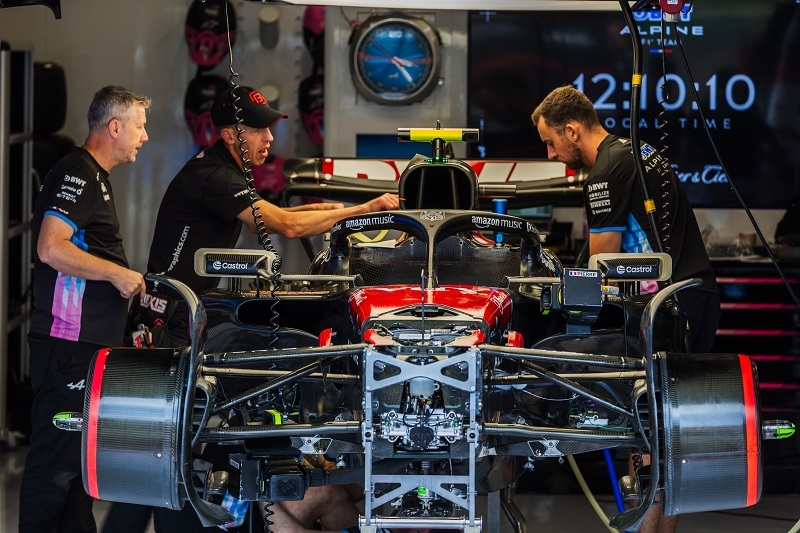
Aerodynamic philosophy continues to separate winning concepts from the rest of the grid.
Monaco, December 2025 — In Formula 1, where marginal gains define competitive success, aerodynamic philosophy remains one of the most decisive factors in car performance. Among the most debated concepts is the so-called rake effect, a design approach that continues to influence competitiveness despite evolving technical regulations and repeated attempts to narrow performance gaps across the grid.
The rake effect refers to the inclination of a Formula 1 car relative to the track surface, with the rear of the car set higher than the front. This configuration alters airflow beneath the car, increasing the volume and velocity of air passing through the underfloor and diffuser. When executed effectively, the result is enhanced ground-effect downforce, allowing the car to generate grip without relying solely on upper-body aerodynamic elements.
This philosophy has long been associated with engineers who prioritize underbody efficiency and aerodynamic balance over brute-force drag reduction. By exploiting rake, teams can extract significant cornering performance, particularly in medium- and high-speed sections, where stable underfloor downforce improves rotation and driver confidence. However, the concept is far from simple and demands precise integration with suspension geometry, ride-height control and overall vehicle dynamics.
One of the reasons rake remains such a powerful but risky tool is its sensitivity to operating conditions. The aerodynamic gains produced by rake are highly dependent on maintaining optimal airflow beneath the car. Variations caused by braking, acceleration, kerb usage or uneven surfaces can disrupt airflow, reducing downforce or destabilizing the car. As a result, teams pursuing aggressive rake concepts must design highly sophisticated suspension systems to control pitch and maintain aerodynamic consistency throughout a lap.
The competitive impact of rake is not uniform across circuits. Tracks that emphasize technical corners and rapid direction changes tend to reward cars with strong underbody performance, while circuits dominated by long straights and heavy braking can expose the drag penalties associated with higher rake angles. This variability forces teams to make strategic compromises, balancing aerodynamic efficiency with straight-line speed and tyre preservation.
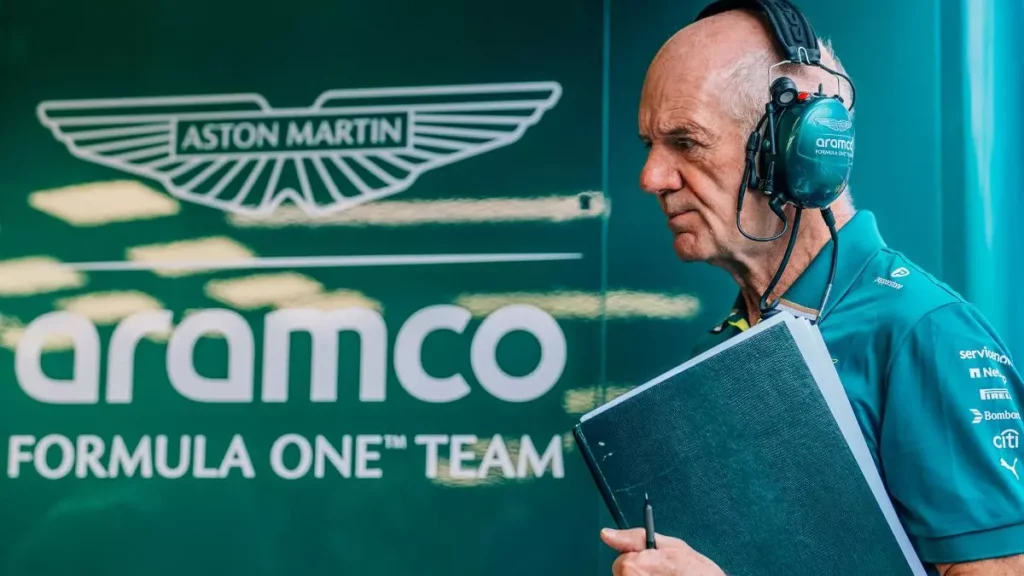
Modern Formula 1 regulations, particularly those centered on ground-effect aerodynamics, were designed to standardize airflow behavior and reduce wake turbulence. While these rules limit certain aerodynamic freedoms, they have not eliminated conceptual diversity. Instead, they have shifted the battleground toward interpretation and optimization within tighter constraints. Rake remains one of the areas where teams can differentiate themselves through engineering creativity rather than sheer resource advantage.
The persistence of rake as a competitive factor also highlights a broader truth about Formula 1 engineering: regulation changes rarely erase knowledge. Concepts refined over decades tend to resurface in adapted forms, shaped by experience and institutional memory. Teams that understand how to manage airflow sensitivity, mechanical grip and aerodynamic balance can continue to leverage rake principles even when regulations attempt to neutralize them.
From a driver’s perspective, rake-oriented cars often deliver a distinctive feel. Increased underbody grip can improve responsiveness during turn-in and mid-corner phases, allowing drivers to push harder with confidence. At the same time, such cars can demand precise driving inputs, as narrow aerodynamic operating windows leave less margin for error. Managing tyres, especially over race distances, becomes a critical component of maximizing performance from this type of platform.
The debate around rake also reflects deeper philosophical divides within Formula 1. Some teams favor stability, predictability and low sensitivity, accepting marginally lower peak downforce in exchange for consistency. Others pursue higher aerodynamic ceilings through more aggressive concepts, accepting complexity and risk in return for potential performance advantages. Neither approach is inherently superior; success depends on execution, development discipline and adaptability.
As Formula 1 continues to evolve, the rake effect serves as a reminder that innovation is rarely about inventing entirely new ideas. Instead, it is about refining known principles, understanding their limitations and applying them more effectively than competitors. The cars that dominate are often those that combine theoretical insight with practical control, translating aerodynamic potential into usable performance.
Looking ahead, the rake debate is unlikely to disappear. Future regulation changes may alter how teams exploit underfloor airflow, but the underlying challenge will remain the same: converting aerodynamic theory into consistent lap time. In that sense, rake is not merely a setup choice but a symbol of Formula 1’s enduring technical complexity, where philosophy, physics and precision intersect at the highest level of motorsport.
Behind every data point, there is an intention. Behind every silence, there is a structure.
Detrás de cada dato, hay una intención. Detrás de cada silencio, una estructura.