

 Phoenix 24
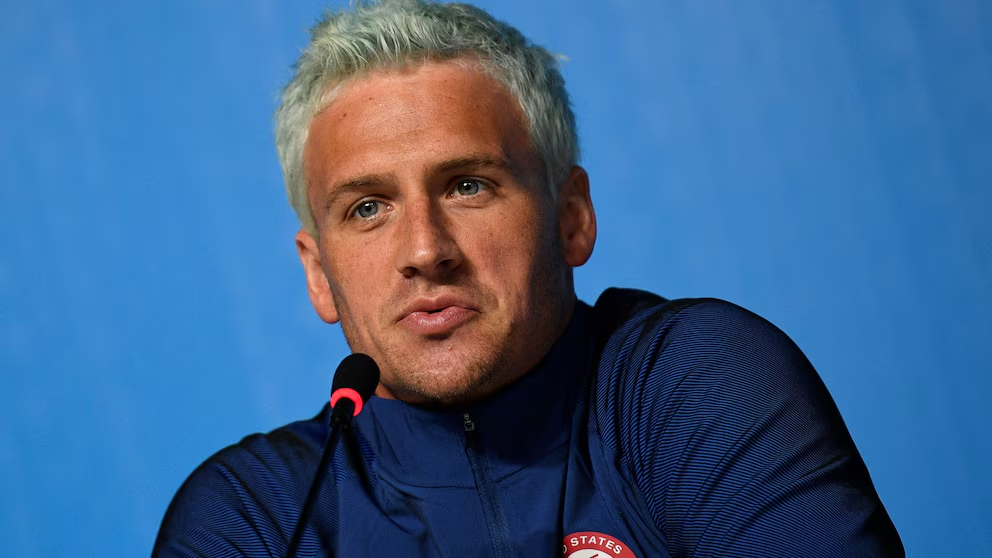
A celebrated Olympic champion steps forward with an unfiltered account of the pressures that shaped his victories and the shadows that nearly ended his career.
Geneva, December 2025. After years of silence punctuated only by brief interviews and public reflections, Ryan Lochte has confirmed that he is writing a memoir that will recount the ascent, the unraveling and the rebuilding of a life spent between pools, podiums and the persistent glare of global attention. The announcement marks a decisive moment for an athlete whose six Olympic gold medals once defined an era of American swimming, yet whose personal battles revealed the emotional cost of excellence in an unforgiving environment. His decision to revisit these chapters signals a new phase in his relationship with the public, one in which vulnerability and accountability emerge as essential components of a legacy that extends far beyond competition.
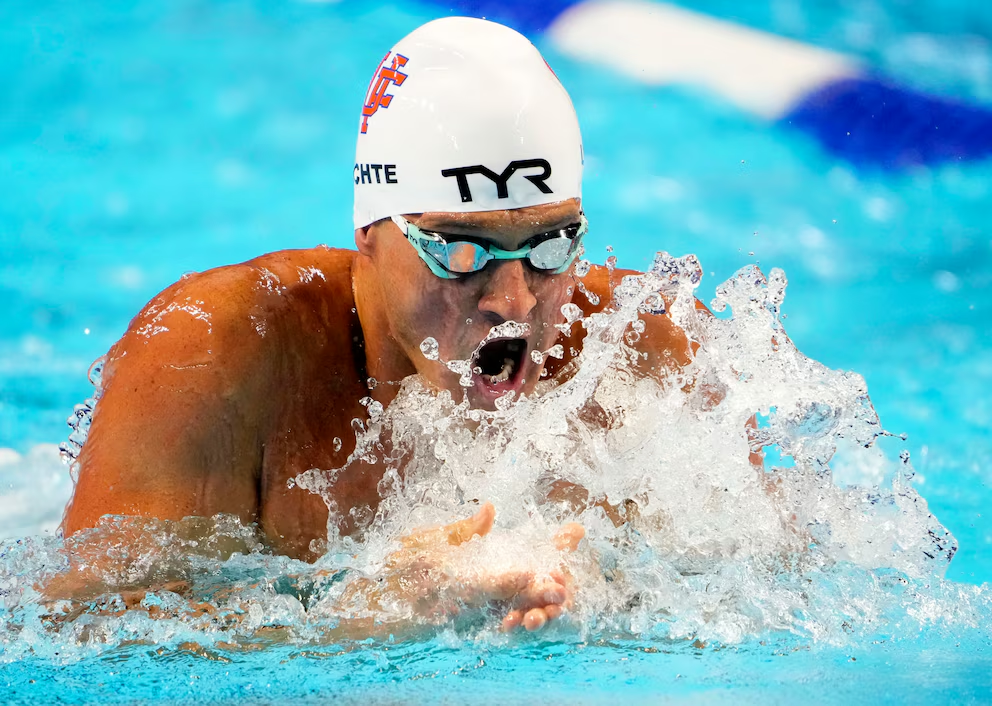
Lochte’s athletic career unfolded across four Olympic cycles, with performances that captivated audiences from North America to Europe and East Asia. Specialists in global sporting culture often cite him as one of the most versatile swimmers of his era, an athlete capable of mastering multiple events and sustaining elite performance for more than a decade. His duels in the pool became touchstones for millions of viewers and for sports federations that saw in him an example of discipline and competitive longevity. Yet those same observers note that the structure of international sport tends to magnify victories while obscuring the psychological pressure that accumulates behind the scenes, a theme that Lochte now intends to confront directly in his writing.
The swimmer has acknowledged that even at the height of his career he struggled with bouts of depression, a reality that remained largely invisible as he accumulated medals and accolades. Mental health professionals familiar with elite athlete behavior emphasize that high performance environments often generate internal conflicts that go unresolved for years. They argue that athletes are frequently conditioned to suppress emotional distress in order to preserve an image of control and invincibility. This pattern, documented by clinicians in Europe and North America, contributes to cycles of burnout that can continue long after competition ends.
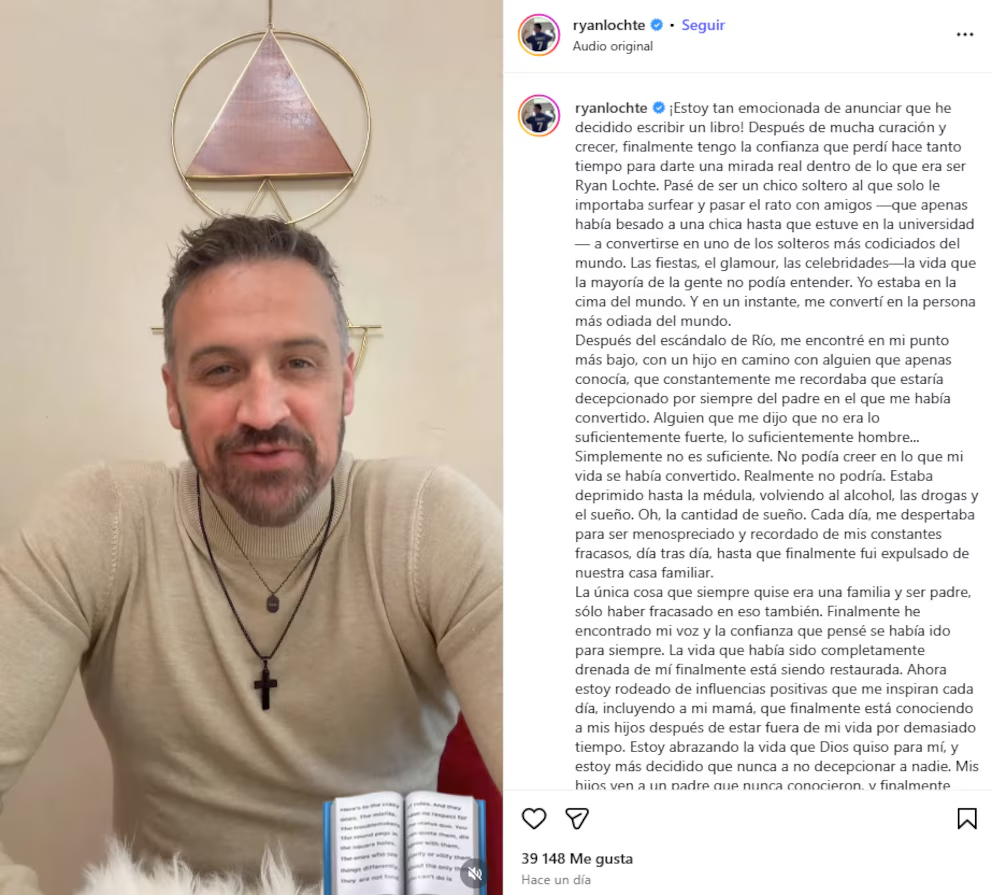
Lochte’s most turbulent period followed the well documented incident during the Rio de Janeiro Games, a moment that transformed him overnight from celebrated champion to figure of controversy. He has described that chapter as the point when he felt himself becoming, in his words, the most hated person in the world. The aftermath included suspension, public scrutiny and a profound sense of isolation. Experts in sports reputation management note that the incident became a case study in how quickly public narratives can collapse when an athlete’s actions collide with the expectations of national representation. According to specialists who have analyzed similar crises, recovery from such events requires not only public reconciliation but also deep personal work to rebuild identity apart from performance.
The memoir, as Lochte has explained, will explore the interplay between these moments of collapse and the slow reconstruction that followed. Sources close to his current training circle describe a process of gradual rebuilding marked by therapy, family support and a renewed understanding of sobriety. Addiction specialists in Latin America and Europe emphasize that his willingness to discuss struggles with alcohol places him within a growing movement of athletes who resist the myth that physical excellence protects against emotional vulnerability. They contend that testimonies like his contribute to destigmatizing recovery and promoting broader conversations about mental health in sport.
Beyond recounting adversity, Lochte aims to illuminate the emotional complexity of competition itself. Coaches who worked with him describe an athlete who combined instinctive talent with a relentless capacity for reinvention, traits that, when paired with international visibility, created a sense of simultaneity between glory and scrutiny. Scholars in sports sociology argue that modern athletes operate in hybrid arenas where performance, media exposure and personal narrative intersect constantly, generating intense psychological demands absent in earlier eras of sporting history. By situating his experiences within this broader landscape, Lochte’s memoir may deepen public understanding of what it means to compete under conditions shaped by global media, commercial expectations and rapidly shifting cultural norms.
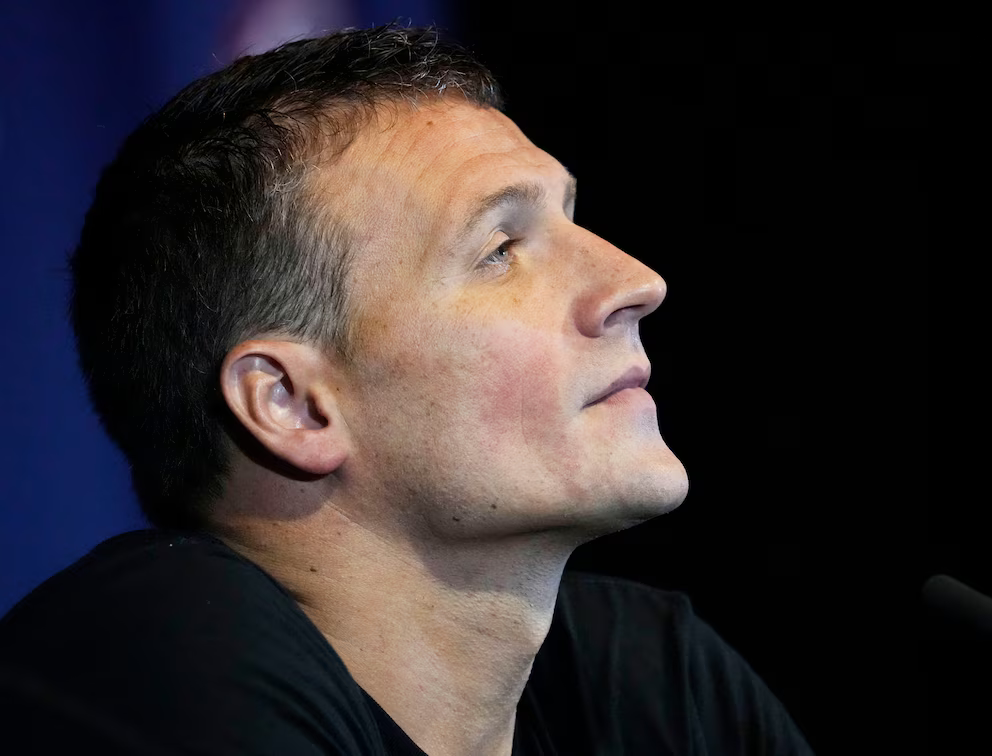
The project also reflects a generational shift in how athletes approach legacy. Instead of relying solely on medal counts or statistical achievements, many now attempt to frame their careers as multidimensional stories that include struggle, contradiction and growth. Analysts in Asia point out that this narrative turn has reshaped fan expectations, making transparency and emotional resonance central to how sporting icons are perceived. Lochte’s readiness to share his interior world aligns with this transition, suggesting a desire to define his legacy through honesty rather than image management.
At the same time, the memoir promises to highlight moments of joy and purpose that persisted despite turmoil. Individuals familiar with his post-competitive life describe a renewed dedication to mentorship, community engagement and advocacy for athlete well-being. These commitments indicate that Lochte views his story not as a cautionary tale but as an opportunity to contribute to structural improvements in how sports institutions address mental health and support transitions out of competitive careers. Experts in athlete development frameworks argue that stories like his can influence policy and inspire reforms that prioritize long term well-being over short term achievement.
In the end, Lochte’s decision to write is an act of reclamation. He seeks to rebuild a narrative that for years was shaped by headlines, speculation and fragmented understanding. By taking authorship of his story, he challenges reductive portrayals and asks audiences to consider the human being behind the medals and the mistakes. For a public accustomed to consuming athletic drama in rapid cycles, his memoir may serve as a reminder that the path to redemption is neither linear nor predictable, but grounded in acknowledgment, effort and a willingness to confront one’s past.
Phoenix24: the visible and the hidden, in context.
Phoenix24: lo visible y lo oculto, en contexto.