

 Phoenix 24
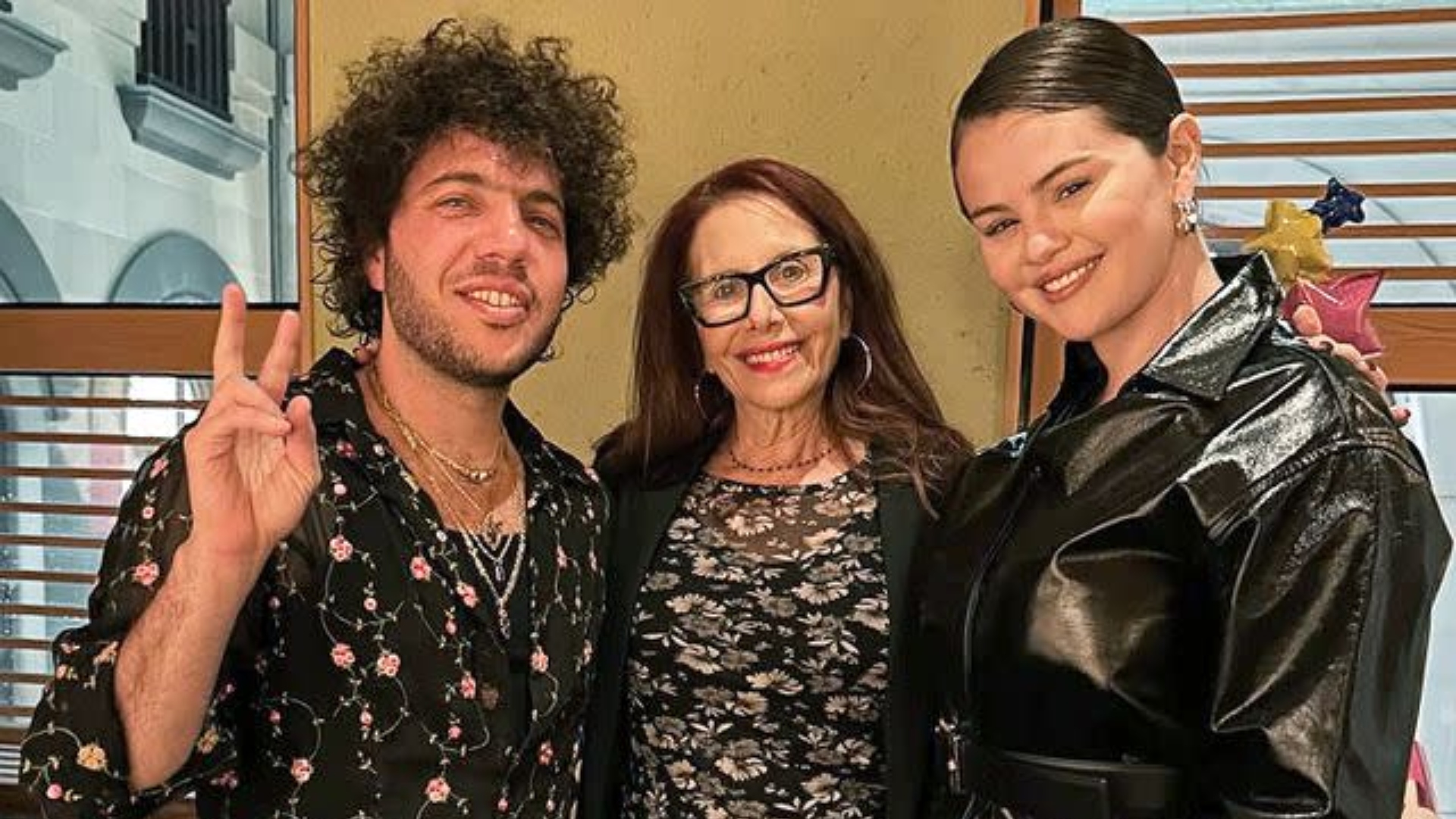
A brief but unsettling break-in has revived concerns about the safety of households connected to public figures.
Los Angeles, November 2025
The quiet residential rhythm of Studio City was disrupted when Sandra Beth Levin, mother of music producer Benny Blanco and mother-in-law to Selena Gomez, faced an unexpected intrusion inside her home. According to police sources familiar with the early findings, two masked men managed to enter the property through a side access point after breaking a glass panel, generating enough noise to alert the homeowner. Though the incident concluded within minutes, it stirred unease among neighbors and within the extended circle of the artist, since this area has historically maintained heightened private security due to its high-profile residents.
Security analysts in the United States noted that incidents of this nature follow recognizable patterns often observed in affluent neighborhoods. Motivations can range from opportunistic burglary to exploratory entry aimed at testing vulnerabilities. The intruders’ decision to avoid the main entrance and instead select a less visible side door aligns with tactics described by Europol in reports on urban criminal behavior. While no direct connection to organized groups has been identified, the level of coordination implied by the intrusion has drawn the attention of specialists in property crime who monitor these regional trends.
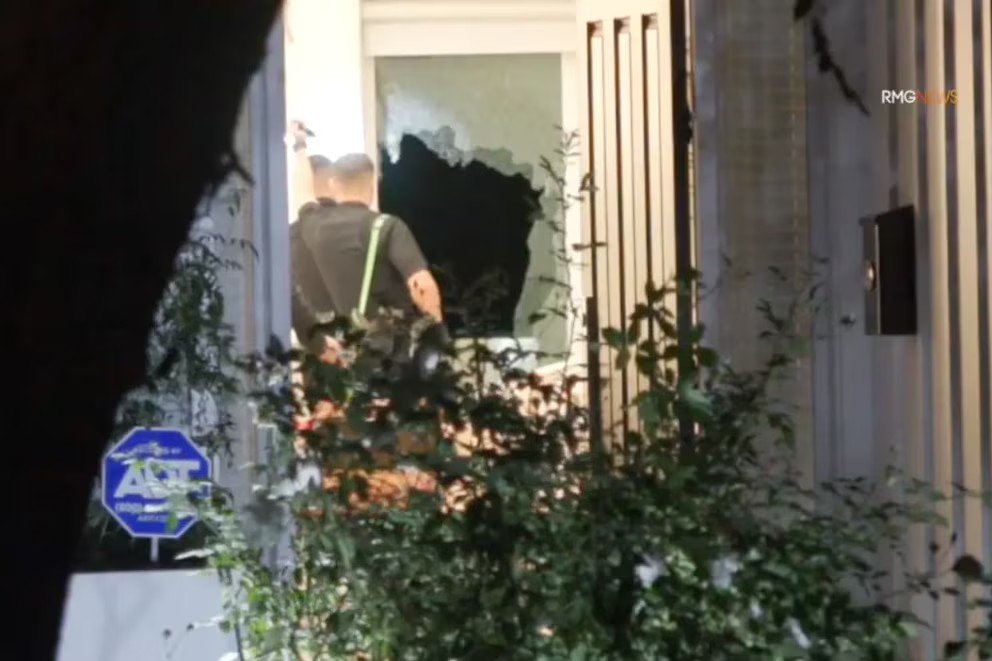
In Europe, observers emphasized that when families connected to public personalities become targets of home invasions, the ripple effect extends beyond the immediate victim. The episode sends a broader message about the permeability of supposedly secure residential zones. Research centers in the United Kingdom have documented how the mere association with a celebrity often amplifies both public attention and criminal intent, because such households are perceived as containing items of high value and as offering symbolic visibility to offenders. Although there is no evidence of such motivations in this case, the psychological effect on the entertainment industry is difficult to ignore.
Levin’s quick response was decisive. After hearing the noise and identifying movement inside the house, she retreated to the bathroom and secured herself inside. This improvised shelter proved effective, as the intruders withdrew upon realizing that their presence had been detected. Authorities have not confirmed whether any valuables were taken, and early reports suggest that investigators are prioritizing the identification of the suspects and the determination of their intent. Whether economic gain or a specific personal target motivated the intrusion remains an open question.
Analysts in Asia highlighted another dimension. Experts in urban criminal patterns from South Korea pointed out that high-profile invasions often increase when economic conditions fluctuate or when housing markets experience volatility, making celebrity neighborhoods more attractive to burglars seeking fast, portable goods. Even though this case has not been linked to broader criminal cycles, specialists believe the incident may prompt renewed assessments of security strategies among families with media exposure in major American cities.
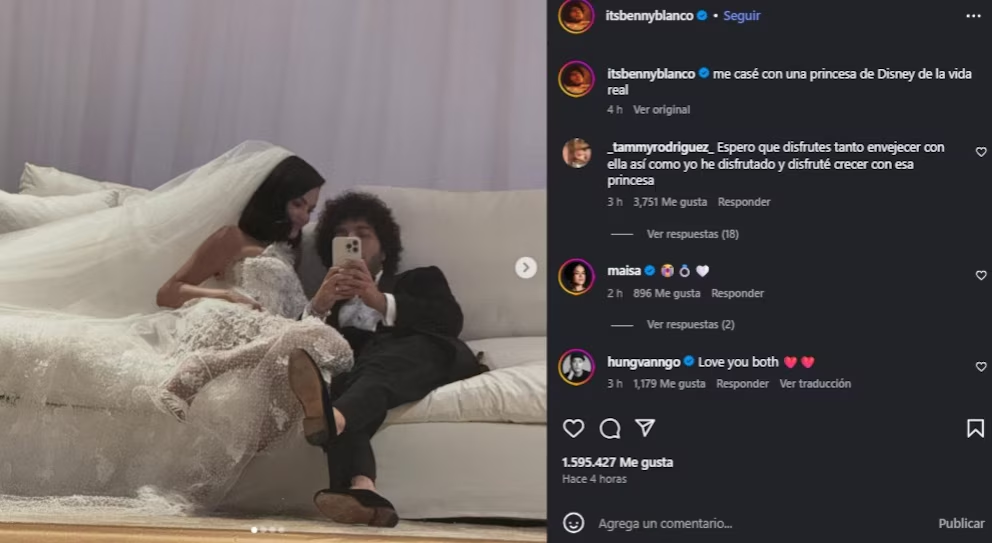
Beyond immediate fear, the event exposes the inherent fragility of private life for individuals surrounded by public attention. Although neither Selena Gomez nor Benny Blanco was present or directly targeted, the incursion involved someone within their immediate family circle. Cultural analysts in Latin America noted that family members of highly visible figures frequently become secondary carriers of fame, acquiring exposure they did not seek and risks they did not anticipate. As a result, home invasions affecting relatives of public personalities can reshape debates about privacy, security and emotional resilience.
The episode also raises questions about emergency readiness in households where older adults reside. Levin’s swift reaction was commendable, yet specialists caution that high stress and emotional tension can impair decision making. Institutions such as the National Safety Council in the United States recommend preplanned safe rooms, reinforced access points and early detection systems designed to reduce the risk of confrontation during home intrusions. Although typically associated with corporate environments, these protocols are increasingly relevant for residential areas with high-value targets and limited anonymity.
For now, the family has chosen not to issue public statements, a decision interpreted by industry observers as an attempt to prevent unnecessary speculation or emotional disruption. Maintaining silence also limits the possibility that third parties might exploit the incident to construct alternative narratives, a recurring challenge when criminal events intersect with celebrity culture and public fascination.
Investigators are reviewing security footage from neighboring properties, interviewing residents and evaluating the sequence of the break-in. Time will determine whether this incident was an isolated act or part of a larger trend affecting affluent parts of Los Angeles. What remains clear is that the event underscored an uncomfortable truth about life in high-visibility environments. Even in areas considered secure, risk is never fully eliminated, and the public dimension of fame extends its shadow far beyond those who stand in the spotlight.
Facts that do not bend. / Facts that do not bend.