

 Phoenix 24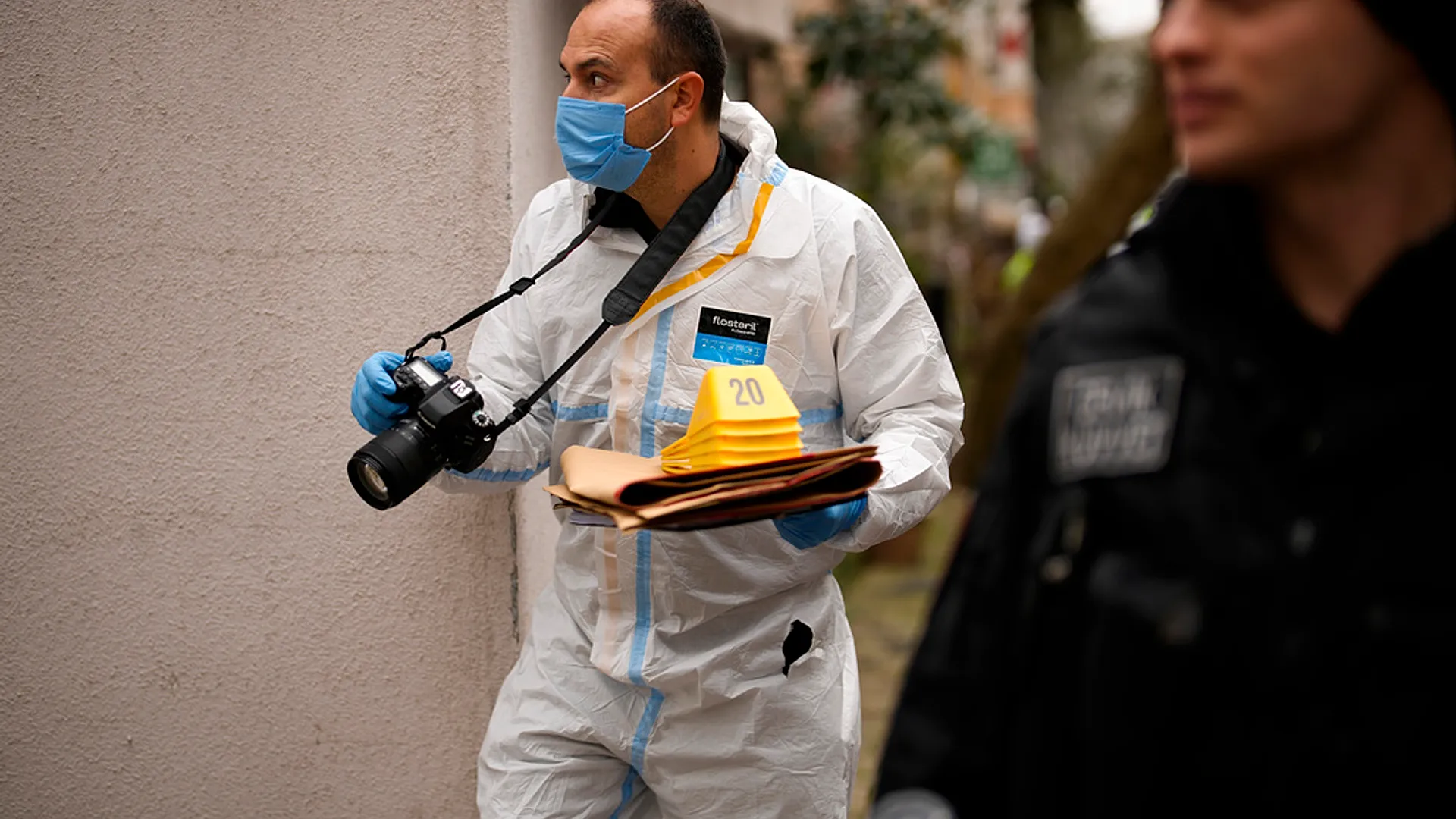
A single night revealed how fragile trust becomes when food, travel and safety collide.
Istanbul, November 2025.
The episode that alarmed authorities and international observers began when a German family staying in a hotel in the Fatih district was found unconscious in their room. Three members died shortly after, while the father remains under intensive care. Within the same week two additional tourists from different countries were hospitalized after falling ill in the same establishment, transforming the incident from a tragic anomaly into a warning sign of wider structural failures in one of the city’s busiest tourist areas. Turkish investigators have detained several individuals linked to hotel operations and food suppliers as they examine whether a contaminated supply chain triggered the illnesses.
European experts in travel health risk remarked that the rapid rebound of Istanbul’s tourism has created pressure points in low and mid range hotels where inspections struggle to keep pace with demand. They note that rising visitor flows often exceed the capacity of regulatory bodies, creating gaps in monitoring seafood handling, cold chain integrity and vendor licensing. Analysts in North America added that informal food sellers operating around historic districts can become unintended extensions of a hotel’s supply ecosystem, especially when staff rely on them for quick purchases during peak hours. From Asia, specialists in procurement systems warned that digital vendor platforms used by smaller hotels can be manipulated when record keeping is incomplete or when oversight tools fail to detect irregular frequencies in supplier activity.
Turkish investigators have not confirmed a definitive cause but early forensic clues point toward contaminated seafood. Authorities are reviewing purchasing logs, kitchen practices and the routes by which external vendors delivered ingredients to the hotel. The pattern of multiple guests falling ill strengthens the hypothesis of contamination entering through a shared supply chain rather than isolated guest behavior. Health officials emphasized that conclusions will be drawn only after toxicology reports and cross referenced evidence are complete.
The incident has generated unease among tourism operators who rely on Istanbul’s reputation as a safe and attractive destination. Specialists in hospitality governance argue that the case highlights the growing intersection between public health, international tourism and the economic momentum of urban centers that host millions each year. They explain that when hotels outsource food preparation or depend on multiple small scale suppliers, the chain of responsibility becomes more complex and more fragile. Without strong verification mechanisms such as automated audits, historical pattern analysis and cross-regional vendor checks, contaminated products can move quietly through kitchens until a crisis emerges.
Psychological pressure has also mounted within the investigative teams. According to individuals familiar with similar cases in Europe and the Middle East, incidents involving foreign victims often activate informal diplomatic channels as consular authorities seek clarity on the risks faced by their citizens. This dynamic can intensify scrutiny on local institutions, prompting rapid transparency measures that are not always easy to sustain. The presence of victims from several regions reinforces the international dimension of the case, increasing the stakes for Turkish authorities.
Tourism analysts warn that public perception can shift quickly even before final conclusions are announced. For many travelers the boundary between safety and uncertainty is defined less by official reports and more by how a destination responds in real time. Istanbul’s hotels now face renewed pressure to strengthen food safety protocols, train staff on emergency procedures and monitor vendor activity with greater discipline. Some experts predict that travel insurers may temporarily adjust risk classifications for budget hotels in historic districts until clearer patterns emerge.
Even with facts still under review, specialists across regions agree that the incident is not simply a matter of negligence but a reflection of systemic strain in highly visited urban environments. The scale of modern tourism magnifies the consequences of any breach in food handling or vendor supervision. For Istanbul, the outcome of this investigation may influence not only regulatory reforms but also the confidence of millions who view the city as a gateway between continents.
Every silence speaks. / Cada silencio habla.