

 Phoenix 24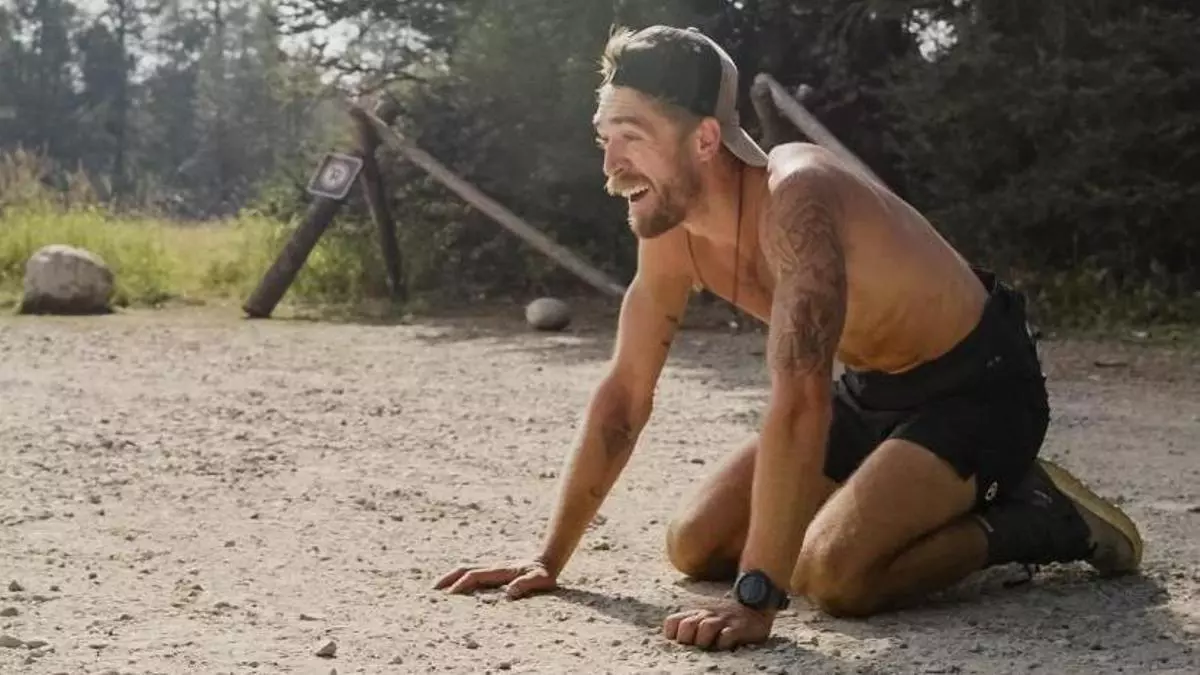
A minor infraction on a record-setting run escalates into a national debate over rules, fairness and presidential power.
Jackson Hole, November 2025
The decision by Donald Trump to pardon Michelino Sunseri, a trail runner convicted for briefly leaving a designated path during a high-speed ascent and descent of Grand Teton, triggered a layered conversation at the crossroads of outdoor sport, environmental protection and executive authority. Sunseri, whose run was considered one of the fastest recorded attempts on the mountain, faced legal consequences after admitting that he momentarily used an informal track to bypass congestion on a narrow section of the route. His time was nullified, and the infraction was processed under federal regulations that prohibit shortcutting in protected areas due to erosion risks and visitor safety concerns.
Within the United States, legal analysts noted that the case touched on deeper issues surrounding how federal agencies enforce rules meant for general recreation when confronted with elite athletic performance. Environmental specialists argued that shortcutting, even on a minor scale, contributes cumulatively to trail degradation in high-traffic national parks. At the same time, sport-performance experts questioned whether record attempts should fall under a framework designed for casual use, especially when conducted under controlled conditions and with full route transparency. These tensions placed Sunseri at the center of a debate that extended far beyond the specifics of one ascent.
In Europe, observers who follow sport jurisprudence pointed out that this case illustrates how outdoor cultures have expanded into globalized competitive ecosystems, where athletes face legal regimes as complex as the landscapes they traverse. Meanwhile, analysts in the Asia Pacific region focused on the symbolic weight of the pardon itself, interpreting it as an example of how executive power increasingly intersects with sports narratives, reputation management and public emotion in high-profile controversies. Specialists in Middle Eastern media analysis emphasized that the case also demonstrates how minor infractions gain outsized visibility in an era where digital amplification blurs the line between regulatory enforcement and cultural debate.
Sunseri’s legal journey involved a misdemeanor conviction handled through standard federal procedures. Prosecutors initially proposed a community-service agreement that would have resolved the matter without escalation, but the presidential pardon overrode the process entirely. Critics argued that the clemency risks undermining uniform enforcement in protected landscapes by signaling that elite athletes can expect different treatment. Supporters countered that the conviction itself represented a disproportionate response that criminalized a negligible deviation made under competitive pressure in a natural setting where speed and navigation converge.
The pardon also places national park policy under the microscope. Administrators responsible for maintaining trails have long warned that incremental damage from off-route travel accumulates rapidly in high-altitude environments. Conversely, athletic communities highlight that the fastest-known-time culture is built on precision, integrity and adherence to route standards, meaning any deviation invalidates a record regardless of legal outcomes. The two systems, legal and athletic, operate in parallel but not always in harmony, and Sunseri’s case exposes the tension between them.
From a broader perspective, the episode reflects how executive decisions increasingly intersect with micro-level disputes that, in earlier eras, would have remained local controversies. The pardon situates a single switchback within a wider conversation about the boundaries of presidential intervention, the role of environmental stewardship and the cultural meaning of elite outdoor pursuits. As discussions continue among athletes, legal scholars and environmental advocates, the case remains a vivid reminder of how even a brief deviation on a mountain trail can cascade into national discourse.
Geopolitics, unmasked. / Geopolítica, sin maquillaje.