

 Phoenix 24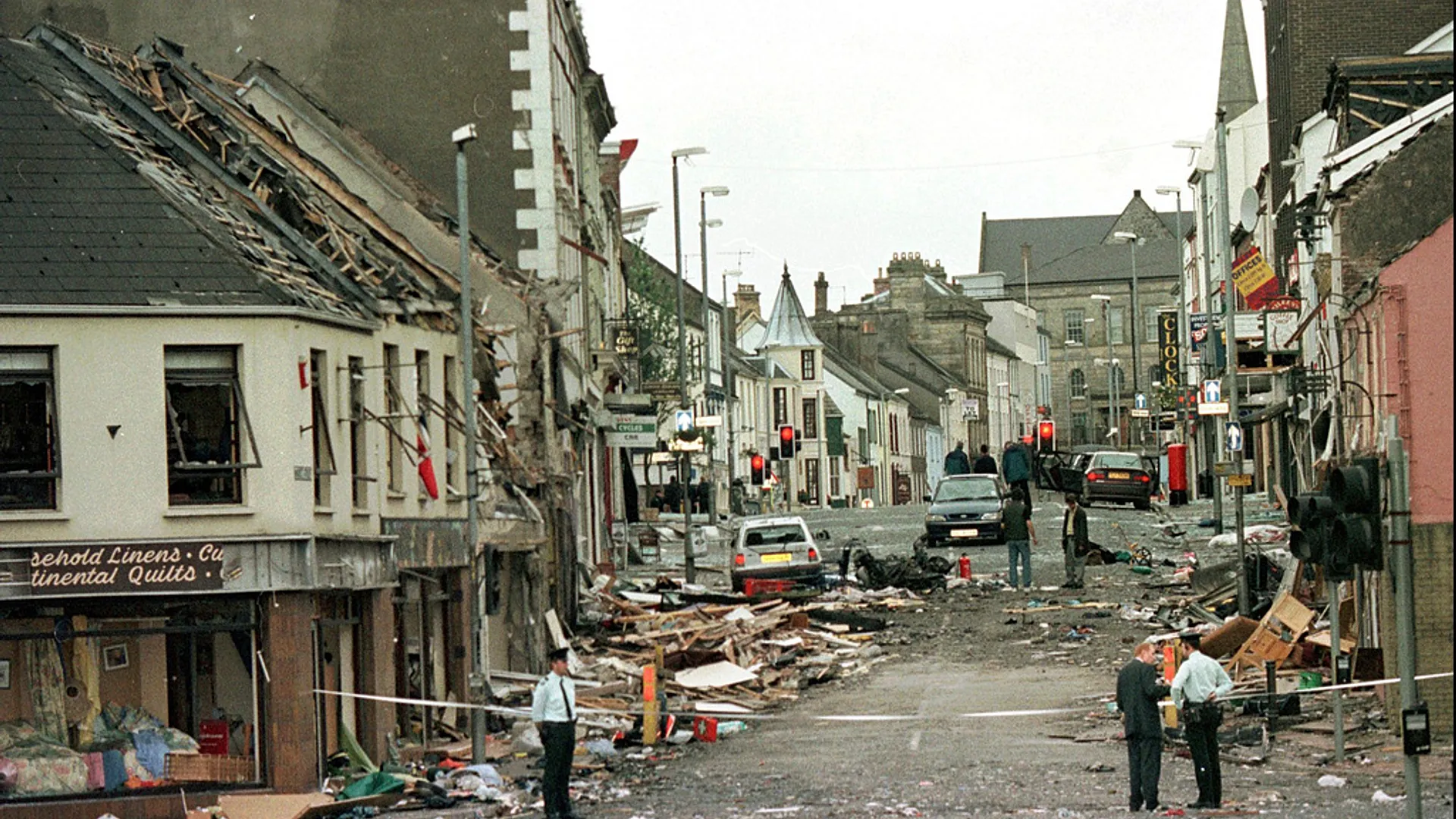
When history offers a map written in blood and negotiation, the question is whether anyone still dares to read it.
Jerusalem, October 2025. As ceasefire talks slowly advance in Gaza, diplomats from London and Brussels are quietly reviving an old analogy. Could the peace architecture that ended decades of conflict in Northern Ireland serve as a model for the Middle East? The idea is tempting, a narrative of reconciliation born from violence, but the terrain could not be more different.
British envoys point to the Good Friday Agreement of 1998 as proof that even the most entrenched hostilities can be transformed into political coexistence. In Belfast, dialogue between sworn enemies, supervised disarmament and power-sharing institutions turned a sectarian war into fragile stability. For many negotiators, those steps of inclusion, accountability and patience are the foundation of any lasting peace.
European mediators also see potential parallels. The Northern Ireland process balanced local ownership with international oversight and recognized the need to engage groups once labeled irredeemable. In Gaza, a similar approach would imply that Hamas, despite its record of violence, must eventually become part of the political conversation if any agreement is to hold. “Peace requires inviting your enemy to the table,” said a senior EU diplomat, echoing the logic once used by London and Dublin.
Beyond the symbolism, however, the differences are stark. In Northern Ireland, both sides shared a framework of citizenship, law and geography under the United Kingdom. In Gaza, the conflict spans identity, borders and existential narratives. There is no single sovereign umbrella, no shared political language and no credible security structure capable of enforcing a truce. The asymmetry between a recognized state and an isolated armed faction turns every negotiation into a field of contradictions.
Analysts from the International Crisis Group argue that while the Irish precedent offers procedural lessons, Gaza’s conditions resemble those of postwar Bosnia more than Belfast. Fragmented authority, trauma without closure and foreign sponsors that influence every move define a conflict with few internal levers of control. Scholars in Doha add that the Irish path required a ceasefire sustained by internal legitimacy, something Gaza still lacks amid destruction and displacement.
Washington and Cairo continue to mediate, but insiders admit that consensus among Arab states remains fragile. Jordan and Egypt favor a demilitarized administration under the Palestinian Authority, while Qatar and Turkey advocate for a phased political integration of Hamas into a new governing structure. Each proposal borrows language from past frameworks yet collides with the same obstacle: mutual distrust built over decades of siege and reprisal.
In London, the Institute for Strategic Dialogue notes that any Northern Ireland model would require a neutral guarantor capable of balancing Israeli security with Palestinian sovereignty, a role that neither the United States nor the European Union seems fully prepared to assume. Without that, the comparison risks fading into metaphor.
Inside Gaza, the idea of imported peace generates skepticism. Civil organizations insist that their priorities are immediate: access to water, medicine and reconstruction. “We cannot negotiate abstractions when hospitals collapse,” said a local coordinator reached by phone. For many, peace is not a treaty but the first quiet night without bombardment.
Still, the parallel endures because it represents a paradox: every peace process begins as an impossibility. The Belfast accord once seemed utopian; today it stands as an imperfect but living precedent. Whether Gaza can follow that path depends on forces far beyond diplomacy, on whether exhaustion can overcome vengeance and whether politics can outlast grief.
Phoenix24: clarity in the grey zone. / Phoenix24: claridad en la zona gris.