

 Phoenix 24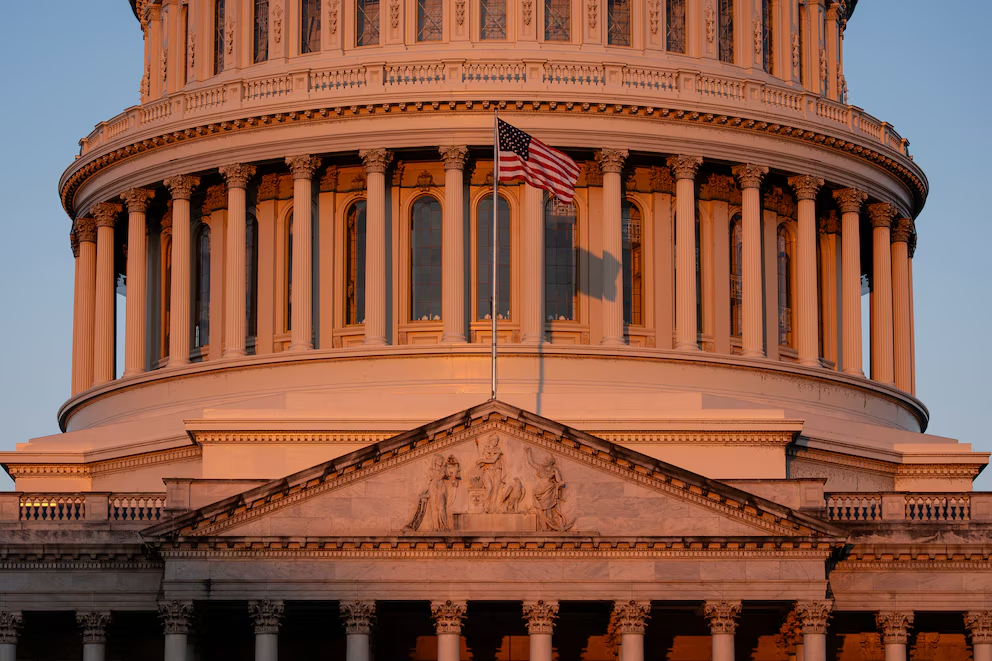
The lights of Washington stay dim while politics play for time.
Washington D.C., October 2025.
The United States federal government remains partially shut down after the Senate once again failed to approve a short-term funding bill late Thursday night, marking the tenth unsuccessful vote since the impasse began earlier this month. The deadlock ensures that thousands of federal employees will remain furloughed through at least Monday, with key agencies operating at minimal capacity and mounting pressure across the economy.
The breakdown stems from a bitter standoff between Democrats and Republicans over healthcare spending, military allocations, and fiscal discipline. Senate Majority Leader Chuck Schumer urged lawmakers to “put partisanship aside” and vote for a temporary measure to restore government functions, while Republican leaders insisted that any deal must include limits on social expenditure and new auditing mechanisms for federal aid programs. The vote failed 51–49, falling short of the 60 votes needed to advance under Senate procedural rules.
President Joe Biden, speaking from the White House earlier in the evening, called the situation “an avoidable crisis manufactured by political theater.” He appealed to both chambers of Congress to prioritize “the people behind the paychecks”—a reference to the roughly 800,000 federal employees affected by the shutdown. The Office of Management and Budget confirmed that pay suspensions would continue, with emergency services, air traffic control, and border operations remaining active but stretched.
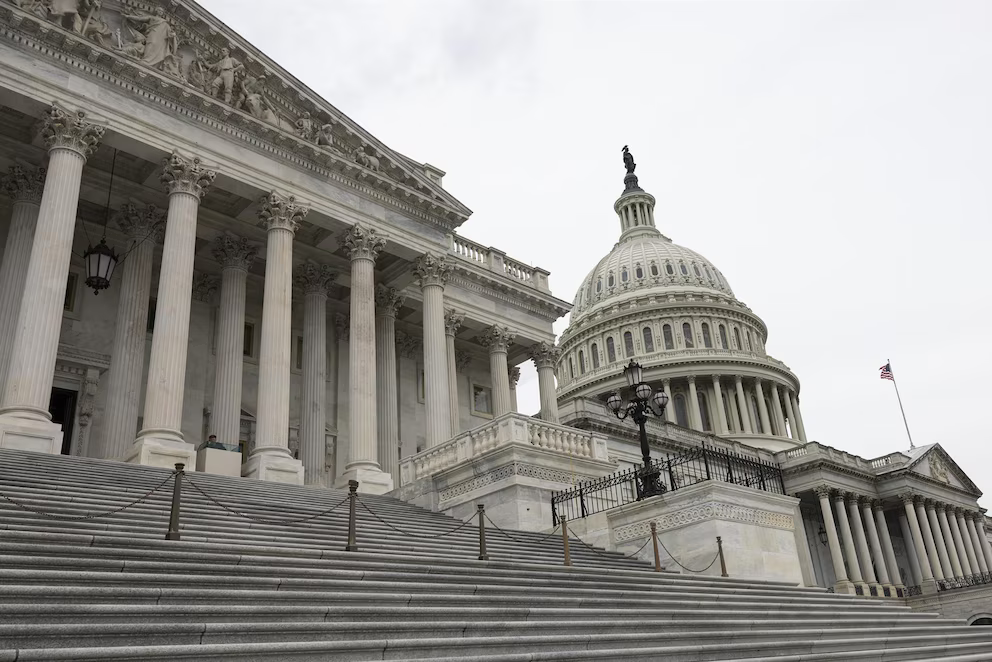
At the heart of the dispute lies a broader ideological clash: Democrats have sought to protect healthcare subsidies and climate-related funding introduced in previous fiscal packages, while Republicans have tied any reopening to reductions in discretionary spending and an extension of defense appropriations. The military spending bill, blocked earlier in the day, has become a symbolic battlefield over U.S. budget priorities amid global security concerns.
According to the Congressional Budget Office, each week of closure could shave approximately 0.1 percent off quarterly GDP growth, an estimate that economists at JPMorgan and the Brookings Institution consider “moderate but cumulative.” Federal contractors, small businesses linked to government projects, and tourism-dependent regions such as Washington and parts of Virginia are already reporting significant financial stress.
Internationally, reactions were muted but cautious. The European Central Bank referred to the U.S. shutdown as “a temporary liquidity disturbance,” while the Tokyo Stock Exchange saw minor volatility in dollar-denominated futures. In Ottawa, Canadian officials expressed concern over potential delays in cross-border trade certifications.
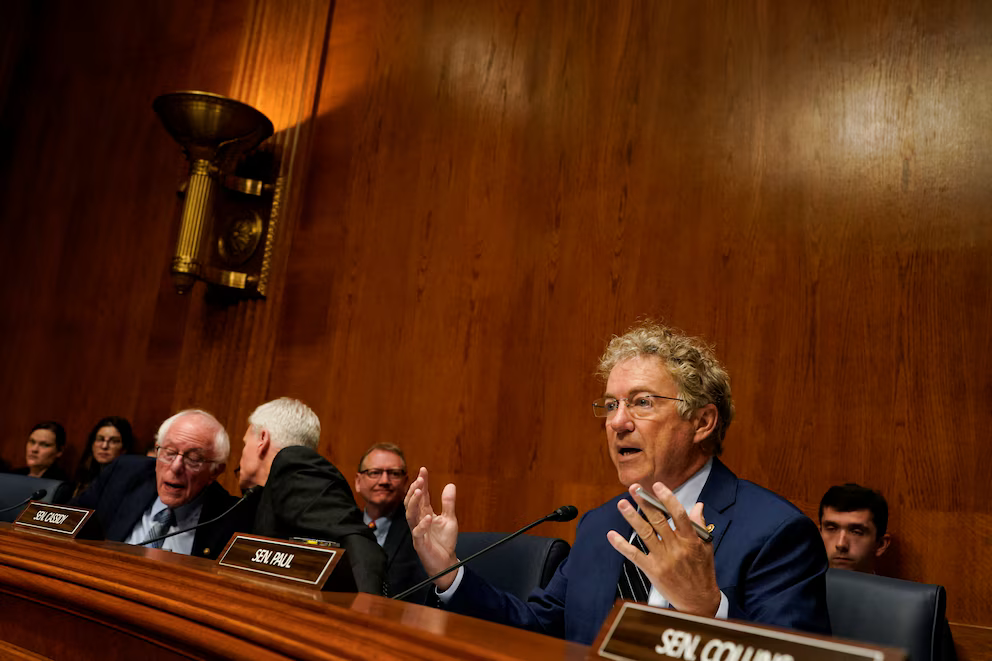
Political analysts warn that the standoff could extend into next week if neither side yields on core demands. The last comparable closure, in 2018–2019, lasted thirty-five days and cost the economy an estimated $11 billion. “The danger now,” said Professor Elaine Rodriguez of Georgetown University, “is not the length of the shutdown but the normalization of paralysis as a governing strategy.”
Public frustration is mounting. A new poll conducted by Politico and Ipsos found that 62 percent of Americans blame both parties equally for the gridlock, while only 18 percent hold one side exclusively responsible. Social media campaigns from furloughed workers have drawn widespread sympathy, turning the phrase “#ShutdownSurvivors” into a trending tag of collective exhaustion.
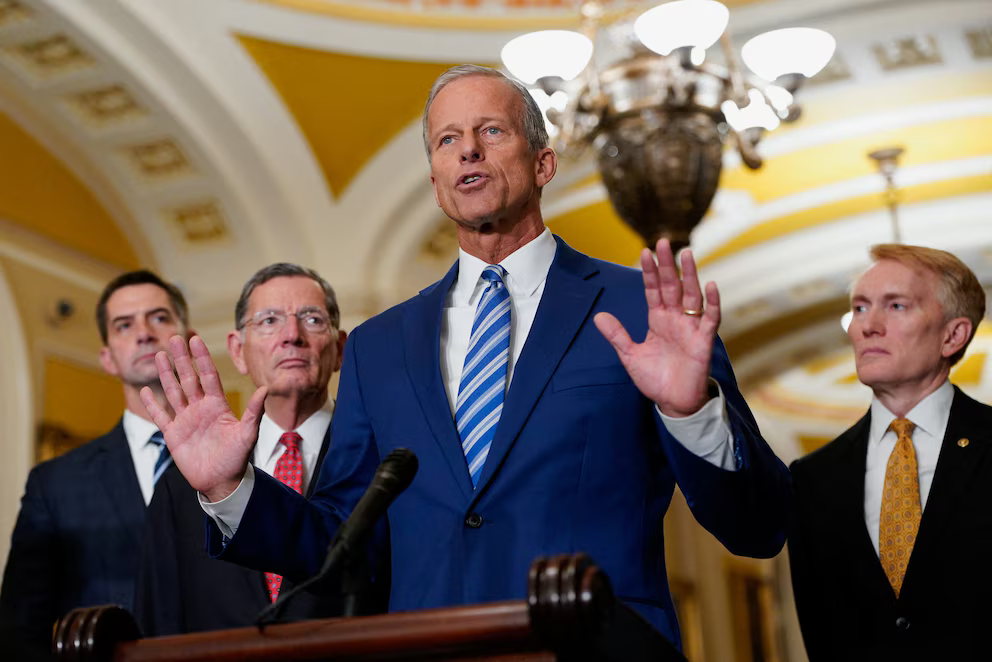
Despite procedural failures, behind-the-scenes negotiations continue. Senate aides confirmed that a bipartisan working group is exploring a 72-hour continuing resolution to reopen essential services before Monday, though prospects remain uncertain. If no compromise is reached by then, agencies could face extended funding gaps that delay social benefits, research grants, and housing assistance.
As the capital braces for another weekend in limbo, the image of darkened federal buildings has become a symbol of dysfunction and fatigue. Washington, once the engine of governance, now mirrors a nation waiting for its own government to restart.
Phoenix24: clarity in the grey zone. / Phoenix24: claridad en la zona gris.