

 Phoenix 24
When technology becomes the new border of national power.
Washington, October 2025
The United States has removed millions of listings for Chinese electronic products from its major online marketplaces in a sweeping measure led by the Federal Communications Commission. The move responds to rising national-security concerns and marks a new phase in the technological decoupling between Washington and Beijing.
The affected items include smartwatches, security cameras and other connected devices allegedly produced with components from Chinese firms already under restriction. According to the FCC, many of these products were circulating without proper authorization, violating current communication-safety standards. The decision, officials said, seeks to prevent potential espionage channels embedded in low-cost consumer electronics that access home networks.
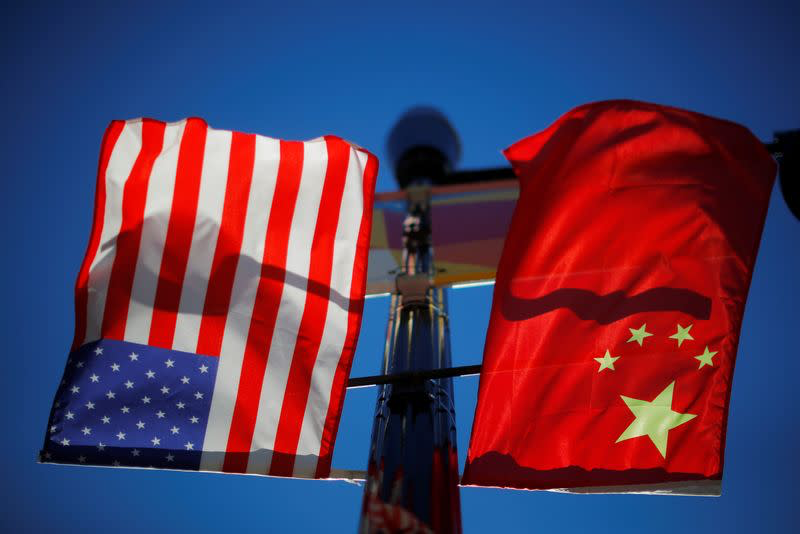
Behind the enforcement lies a deeper strategy. What once seemed a purely commercial issue has become a geopolitical front. Supply chains are now treated as security architecture. Each router, lens or microchip imported from abroad is re-evaluated as a possible vulnerability. In this climate, technology regulation becomes a form of containment policy.
American e-commerce platforms have begun to cooperate with federal agencies, implementing real-time screening systems to block listings tied to prohibited manufacturers. Analysts note that the scale of deletion—millions of entries in a matter of days—reflects both the reach of Chinese suppliers and the growing determination of the U.S. to reduce exposure. For consumers, the result will likely be fewer options and higher prices; for industry, a forced acceleration toward domestic production and allied-nation sourcing.
In Beijing, the measure was described as “economic discrimination.” Chinese trade officials argue that Washington is using national security as a pretext to advance industrial protectionism. Yet American policymakers counter that the stakes are higher than market share: in an era of smart devices, data sovereignty equals territorial sovereignty.
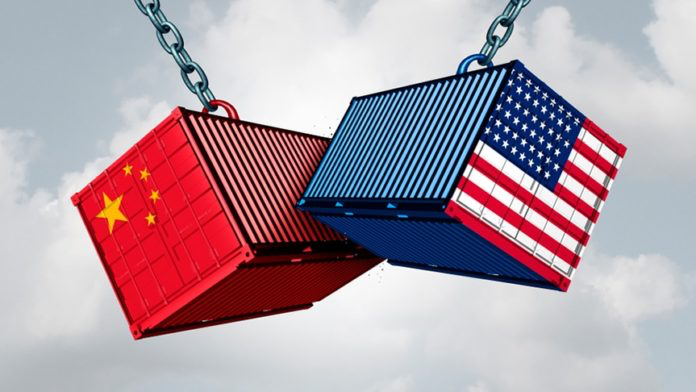
The purge also signals the beginning of a regulatory cascade. More categories are expected to fall under similar scrutiny, from smart-home assistants to IoT medical equipment. Tech observers see it as part of a broader shift toward “digital sovereignty,” where nations seek to control not only their borders but also the flow of microdata within them.
As the two largest economies in the world consolidate their rival technological blocs, this wave of product removals illustrates a new reality. Commerce, defense and innovation are no longer separate domains—they now overlap in every connected object. A smartwatch can be both convenience and risk, a camera both tool and vector.
What the United States has done this month is more than a purge of online catalogs. It is a declaration that in the digital age, the battlefield is everywhere, even in the palm of a consumer’s hand.
Phoenix24: clarity in the grey zone. / Phoenix24: claridad en la zona gris.