

 Mario López Ayala, PhD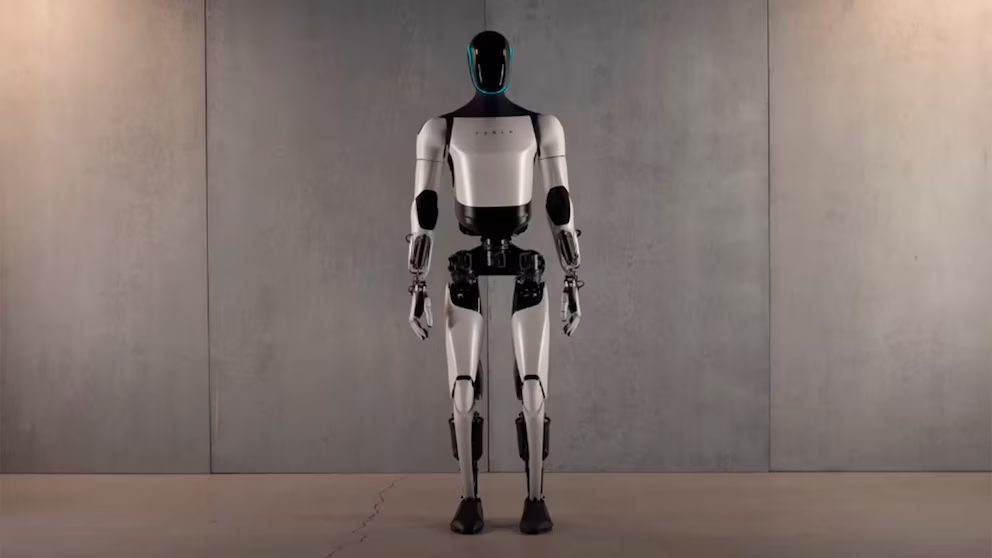
The future of automation meets the limits of anatomy: when the hand becomes the hardest problem in robotics.
Palo Alto, October 2025.
Tesla has temporarily halted the production of its humanoid robot Optimus, after engineers discovered a critical design flaw in the system’s hands — a component that determines how well the robot can grasp, lift, and interact with real-world objects. What was envisioned as the flagship of Elon Musk’s next industrial revolution has now encountered the oldest obstacle in robotics: replicating human dexterity.
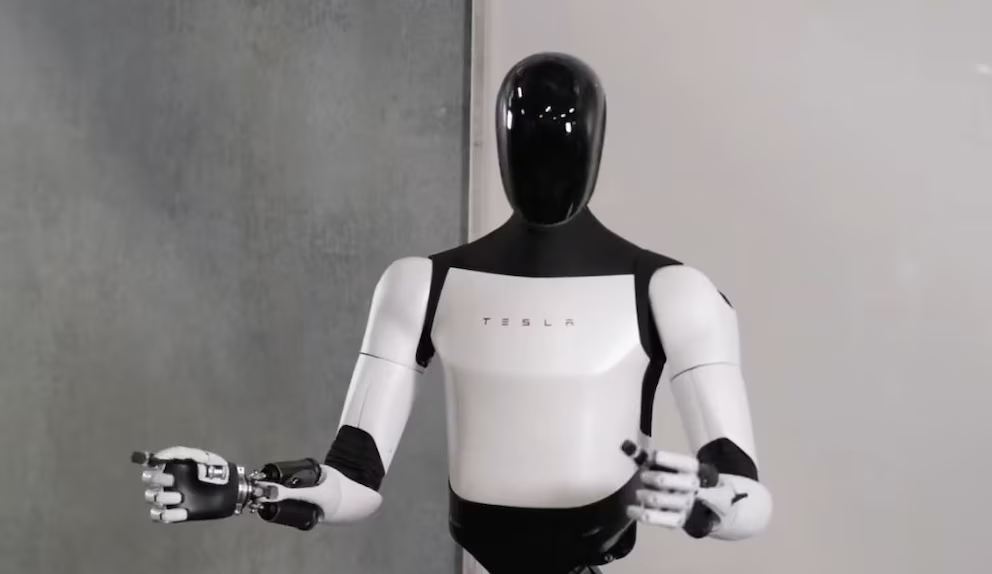
According to internal sources familiar with the project, early manufacturing units have been frozen in storage while the engineering team redesigns the hand modules. The issue lies in the absence of sufficient tactile precision and motor control. Each hand features over 40 miniature actuators, yet the sensors have shown inconsistent readings when interacting with fragile or irregular materials. This makes even basic tasks —like turning a knob, handling tools, or folding fabric— unreliable.
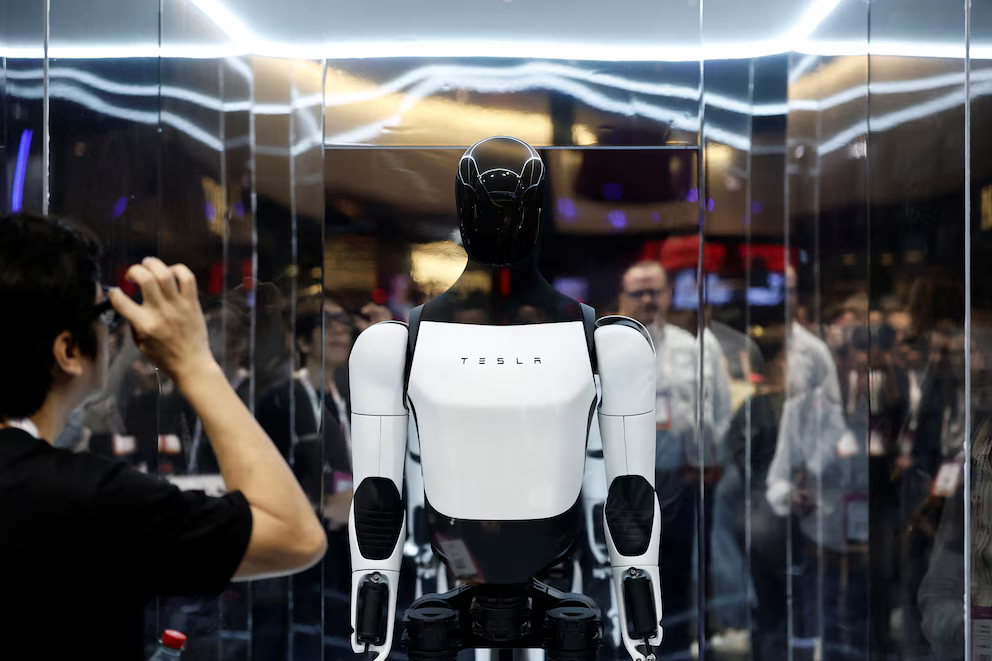
Optimus was initially scheduled for limited production at Tesla’s Texas Gigafactory in late 2025, with around 2,000 units planned for industrial pilot programs. Now, those projections are off the table. The pause could last several months, potentially delaying the robot’s market debut until mid-2026 or later. Musk has publicly acknowledged the setback, emphasizing that the company will “prioritize capability over timeline,” hinting at a strategic recalibration rather than a retreat.
The Optimus project has been Tesla’s boldest non-automotive venture, designed to fuse the company’s neural network expertise with physical automation. Standing nearly 1.7 meters tall, the robot was envisioned to perform repetitive or hazardous tasks in warehouses, assembly lines, and even households. Yet, as roboticists have long warned, the human hand remains one of nature’s most intricate creations — with over 20 degrees of motion freedom and a seamless feedback loop between touch and force.
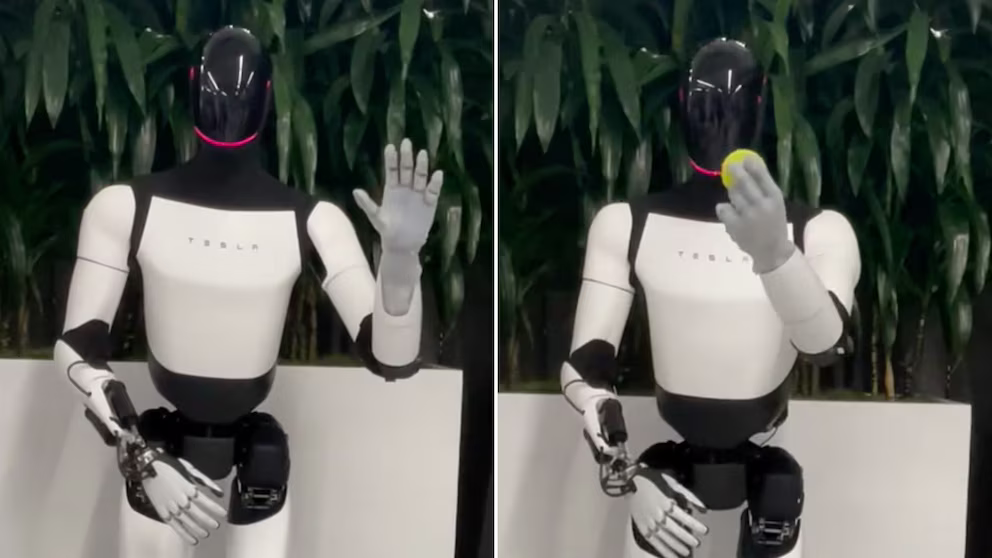
Experts like Rodney Brooks, former head of MIT’s Artificial Intelligence Lab, note that despite advances in machine learning and synthetic actuators, “fine manipulation” remains a scientific frontier. “A robot can walk, speak, and even recognize faces before it can tie a knot or button a shirt,” Brooks explained in a recent panel. “The problem isn’t intelligence — it’s embodiment.”
Within Tesla, the challenge is not merely mechanical but also philosophical. Engineers are reportedly split between two development paths: one that aims to replicate the human hand as closely as possible, and another that explores specialized industrial appendages optimized for strength rather than precision. The decision will determine whether Optimus remains a humanoid assistant or evolves into a more pragmatic —and less anthropomorphic— design.
The pause also reflects growing scrutiny around humanoid robotics worldwide. Other projects, including Figure AI and Sanctuary Robotics, face similar technical bottlenecks, showing that the frontier between automation and autonomy remains fragile. Building a robot that can sense, interpret, and safely act within human environments requires not just sensors and AI, but empathy engineered in silicon — a paradox that science still struggles to solve.
For now, Tesla’s dream of mass-producing affordable humanoid laborers has been postponed. The rows of incomplete Optimus units, suspended in warehouses, stand as silent metaphors for the state of robotics itself: a discipline that advances rapidly yet remains haunted by the details of biology.
Phoenix24: the visible and the hidden, in context. / Phoenix24: lo visible y lo oculto, en contexto.