

 Phoenix 24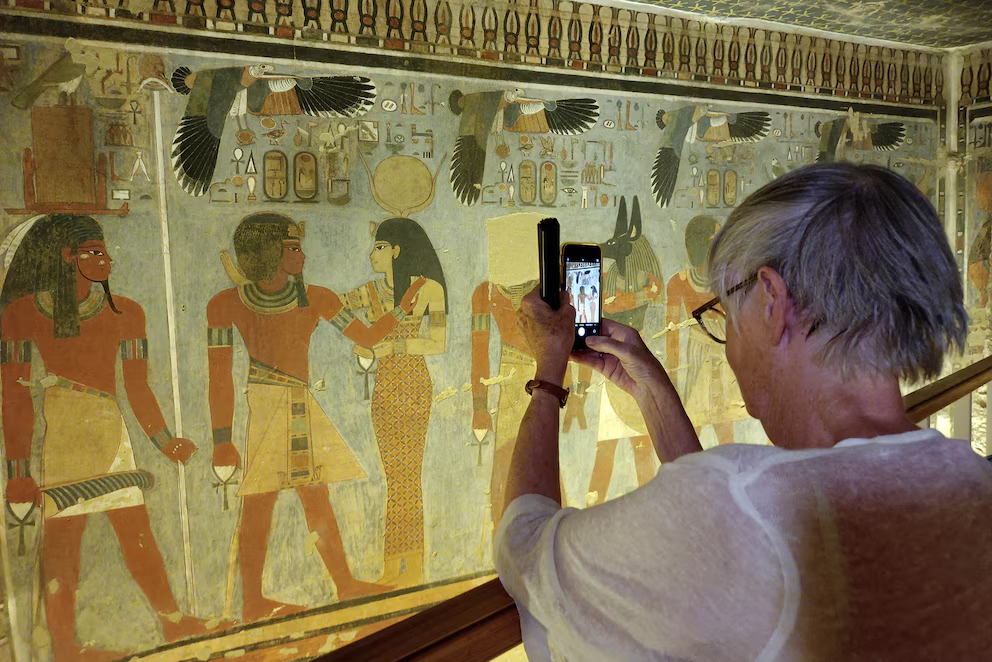
A silent chamber, sealed for centuries, now speaks again as its murals, colors, and stories emerge from the darkness to tell their tale once more.
Luxor, October 2025. One of the most significant archaeological events of the decade has taken place in the Valley of the Kings, where the tomb of Pharaoh Amenhotep III has reopened to the public after decades of closure. The monumental burial site, considered one of the most important of Egypt’s Eighteenth Dynasty, is now welcoming visitors with fully restored murals and chambers that offer a vivid glimpse into the golden age of the New Kingdom.
Discovered in the nineteenth century, the tomb had long remained closed to visitors due to severe deterioration caused by humidity, vandalism, and previous restoration attempts that damaged fragile surfaces. Over the past several years, a multidisciplinary team of Egyptian and international experts has undertaken an ambitious conservation project to stabilize the structure, clean and repair its murals, and reestablish safe environmental conditions. The result is a transformation that blends science, art, and historical scholarship into a space that feels both ancient and renewed.
The restoration process itself was a monumental effort. Conservators used non-invasive techniques to remove layers of dust, soot, and mineral deposits that obscured many details of the artwork. Special attention was given to pigment preservation, as the murals in Amenhotep III’s tomb contain some of the finest examples of polychrome painting in ancient Egypt. The team avoided synthetic chemicals, relying instead on delicate mechanical cleaning and reversible conservation materials to ensure that future generations can continue the work if necessary. Environmental monitoring systems were also installed to regulate humidity and temperature, both of which are crucial to preventing further degradation.
Inside, visitors are now greeted by richly detailed scenes that illustrate the life, beliefs, and ambitions of a ruler often regarded as one of Egypt’s greatest kings. Amenhotep III, who reigned during the fourteenth century BCE, presided over a period of prosperity, artistic flourishing, and expansive diplomatic relations. The murals capture this legacy with extraordinary detail: processions of priests and offerings to the gods, depictions of royal ceremonies, and elaborate architectural representations of palaces and temples. One striking panel shows the pharaoh seated beneath the sun disk of Aten, a symbol of divine kingship and cosmic order. Another depicts artisans and scribes working under royal commission, highlighting the sophistication of the state apparatus at its peak.
What makes the tomb’s reopening particularly significant is the new knowledge it promises to deliver. Egyptologists are already planning research initiatives that will use advanced imaging and multispectral analysis to study the pigments and techniques used by ancient artists. These methods, which can reveal layers invisible to the naked eye, may help scholars better understand the evolution of artistic practices and religious iconography in New Kingdom Egypt. In addition, new inscriptions uncovered during restoration work could shed light on aspects of Amenhotep III’s reign that remain poorly documented.
The reopening is also a milestone for cultural heritage and tourism. The tomb’s return to the public domain is expected to draw tens of thousands of visitors annually, strengthening Luxor’s position as one of the world’s most important archaeological destinations. Local authorities anticipate a substantial boost to the regional economy as hotels, museums, and tour operators prepare for an influx of scholars, enthusiasts, and casual tourists eager to witness the site’s rebirth. Educational programs are already being developed to integrate the tomb into broader narratives about ancient Egyptian history, ensuring that its significance reaches classrooms and research centers far beyond Egypt’s borders.
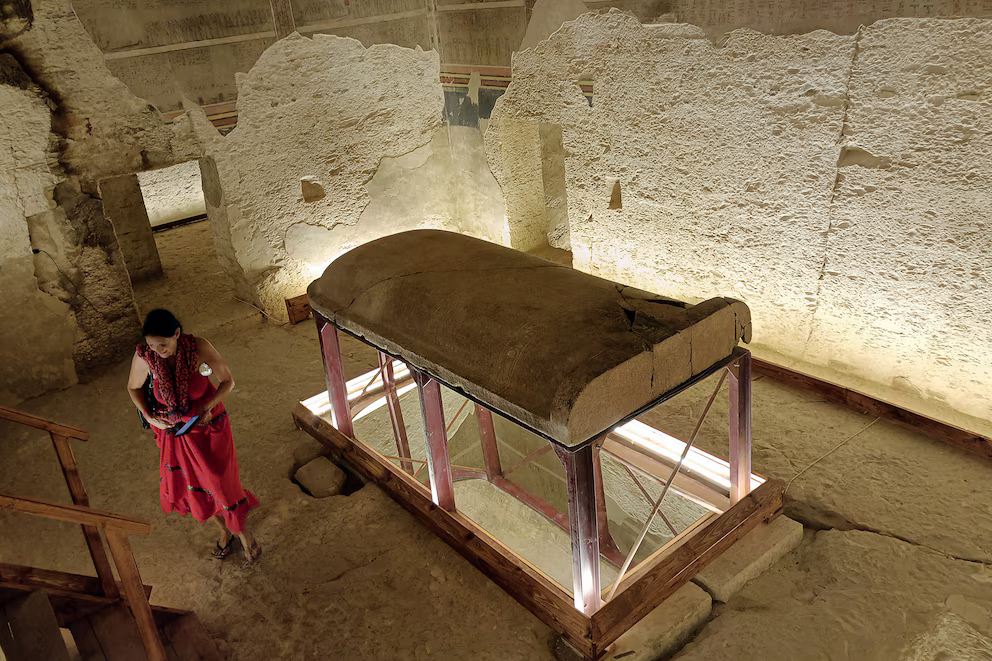
With this renewed access comes responsibility. Preservation experts warn that visitor numbers must be carefully controlled to prevent the reintroduction of damaging conditions such as excess humidity, carbon dioxide buildup, and physical contact with delicate surfaces. To address these challenges, the Ministry of Antiquities has introduced strict measures, including guided tour routes, limited group sizes, and restrictions on flash photography. These steps are designed to balance public engagement with the imperative of long-term preservation.
The reopening of Amenhotep III’s tomb is more than an archaeological achievement. It is a dialogue between past and present, a bridge connecting the ambitions of an ancient civilization with the technological capabilities of modern science. It is also a reminder of the fragility of cultural heritage and the care required to safeguard it. Every brushstroke, every pigment fragment, and every hieroglyph carved into the tomb’s walls carries not only artistic beauty but also historical memory, reflecting the beliefs and values of a society that shaped human civilization.
For Egyptologists, the project also symbolizes a shift toward more sustainable and ethical conservation practices. The emphasis on reversible interventions, minimal alteration, and continuous environmental monitoring represents a new standard in heritage management. It is a philosophy rooted in humility, acknowledging that our role is not to remake the past but to protect it and pass it forward intact.
The chamber that once lay dormant beneath layers of time now stands open, illuminated by both sunlight and the collective effort of those who refused to let history fade into silence. Visitors walking its corridors will not only witness the grandeur of a bygone era but also become part of a story that continues to evolve — a story of rediscovery, responsibility, and reverence.
The visible and the hidden, in context. / Lo visible y lo oculto, en contexto.