

 Phoenix 24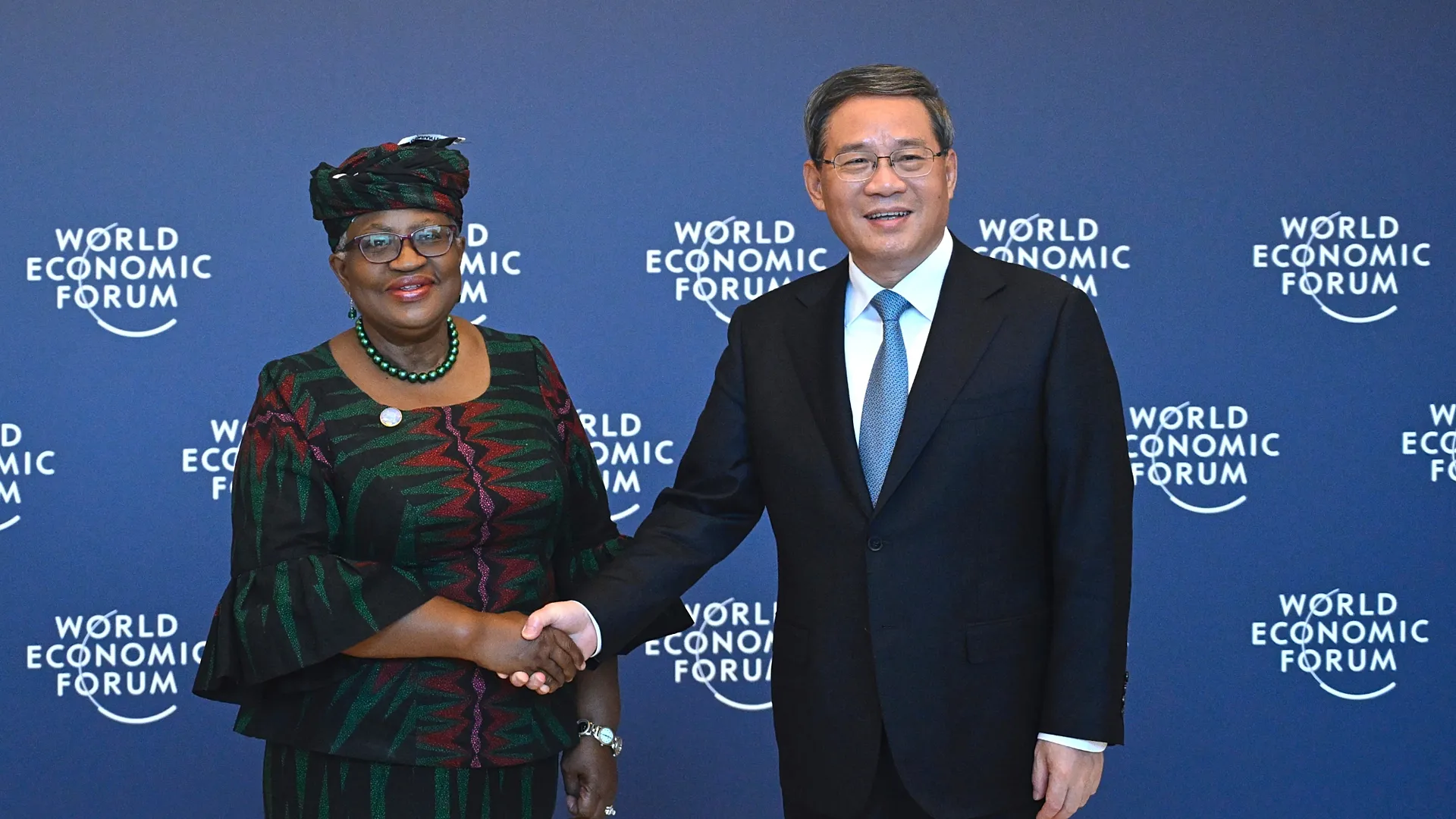
A strategic shift marks the point where economic ambition meets mounting international pressure.
Beijing, September 2025.
China announced that it will no longer claim the “developing country” designation within the World Trade Organization (WTO), a move that signals both confidence in its economic maturity and a strategic recalibration in the face of mounting global trade tensions. By renouncing this special status, Beijing forfeits tariff benefits and extended transition periods that once shielded its industries from obligations imposed on advanced economies. According to China’s Ministry of Commerce, the decision aims to “strengthen the multilateral trading system” and address the evolving realities of global competition.
This shift does not occur in isolation. For years, the United States and several of its allies have pressured China to abandon the preferential label, arguing that the world’s second-largest economy no longer meets the criteria associated with developing nations. Washington has maintained that China’s industrial capacity, technological reach, and global influence far exceed those of other economies that still rely on such classifications. By proactively changing its status, Beijing seeks to preempt punitive measures and position itself as a peer negotiator rather than a protected participant.
The Director-General of the WTO described the move as “a decisive step toward institutional reform” and welcomed China’s decision as a potential catalyst for future negotiations. In Brussels, the European Union praised the announcement but urged that the shift apply not only to future agreements but also to existing trade commitments.
The economic implications are profound. By relinquishing its special treatment, China loses certain exemptions, such as lower requirements for market liberalization and extended implementation timelines for regulatory changes. However, the decision also enhances Beijing’s legitimacy as it pushes for broader WTO reforms, including the revitalization of the organization’s dispute resolution mechanisms, which have been paralyzed since 2019 due to political deadlock.
International trade experts argue that this move serves a dual purpose. On one hand, China positions itself as a responsible global actor willing to accept more stringent obligations. On the other, it seeks to reshape the system from within by leveraging its economic weight to influence the future of trade governance. Yet the decision carries risks. By subjecting itself to stricter rules, Beijing could face harsher judgments in disputes involving strategic sectors such as technology, intellectual property, and state subsidies, areas that previously enjoyed partial protection.
The shift also reignites fundamental questions about the future of global commerce. Who defines the rules of trade in the twenty-first century? How should the system balance the rise of emerging economies with the responsibilities expected of major powers? China’s decision could recalibrate global alliances, reshape tariff disputes, and transform the logic of reciprocity that underpins multilateral trade.
Although China continues to describe itself as a “middle-income” nation in other forums, it now enters the global trading arena on equal terms with the most advanced economies. Across Africa, Latin America, and Southeast Asia, both partners and competitors will scrutinize this new chapter closely. The implications reach beyond economics: Beijing’s move signals a deliberate effort to rewrite, from within, the norms that have long defined the boundaries of trade and the hierarchies of global power.
Phoenix24: information that anticipates futures. / Phoenix24: información que anticipa futuros.