

 Phoenix 24
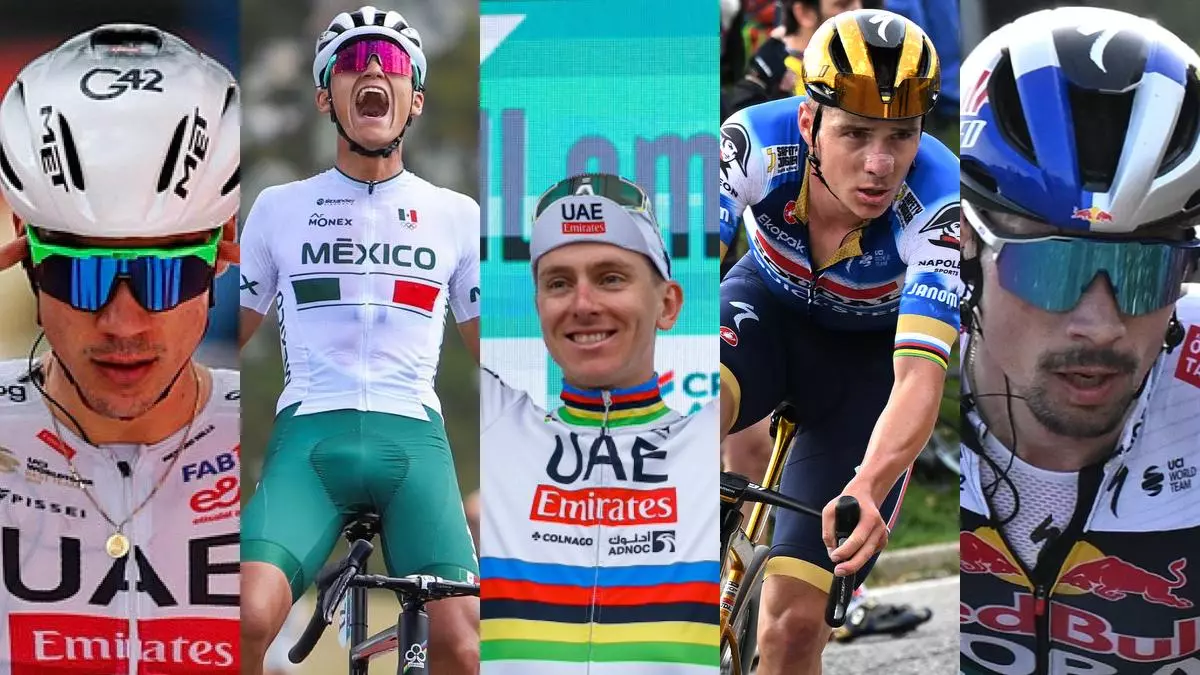
Between sporting brilliance and geopolitical turbulence, the peloton faces a race charged with strategy and symbolism.
Kigali, September 2025. Just one week after the curtain fell on La Vuelta a España, the cycling world shifts its gaze to Rwanda, host of the World Championships. The season calendar allows little rest: Belgian classics and the Tour of Luxembourg kept legs warm, but now the spotlight returns with the highest stakes of the year. The event promises spectacle both on the road and against a backdrop of political and social tension.
The program opens on Sunday the 21st with the elite individual time trials, men’s and women’s. The under-23 riders will take the stage on Monday the 22nd with their time trial, followed by the women’s road race on Thursday the 25th, the men’s under-23 road race on Friday the 26th, and the two main events: the women’s elite road race on Saturday the 27th and the men’s elite showdown on Sunday the 28th. Kigali, the Rwandan capital, will serve as the epicenter for both the sporting drama and the diplomatic atmosphere surrounding the competition.
Remco Evenepoel arrives as the reigning world champion in the time trial. His crown, however, is under threat as perhaps never before. The absence of Italian powerhouse Filippo Ganna removes one rival, yet the Belgian still faces a daunting lineup. Tadej Pogacar, Isaac del Toro, and Jay Vine, all representing UAE Team Emirates, are poised to test his supremacy. Pogacar, already holder of the rainbow jersey in the road discipline, seeks to add the time trial title to his collection, elevating the competition into a battle of champions.
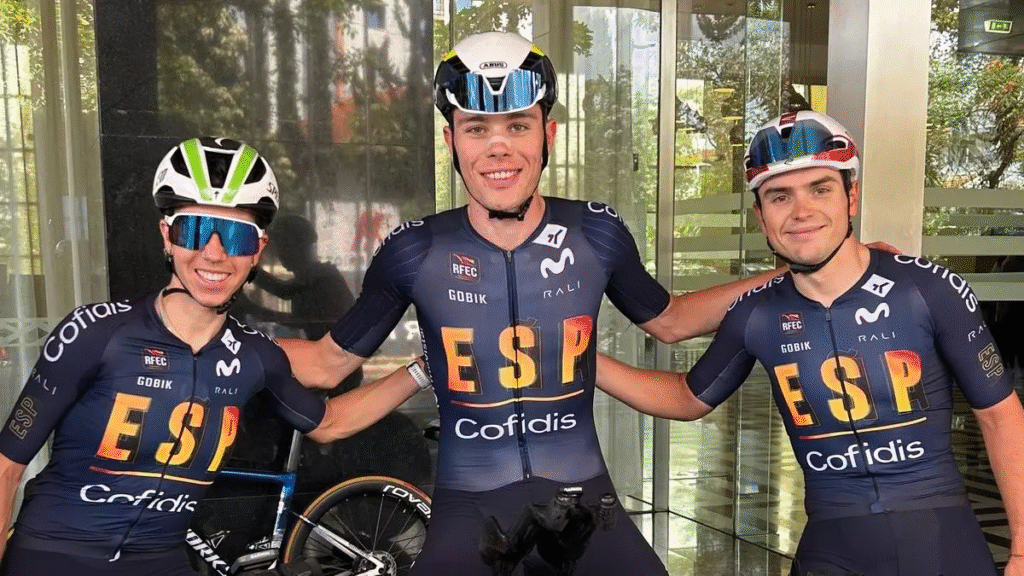
Spanish hopes rest on Raúl García Pierna and Iván Romeo, both acclimatizing in Kigali for days to adjust to altitude and heat. Their form offers promise, though facing riders like Bruno Armirail or Stefan Küng means margins for error will be tiny. For neutral fans, the blend of established stars and hungry challengers makes for the kind of suspense that defines world championships: one bad corner, one misjudged pacing plan, and dreams can evaporate in minutes.
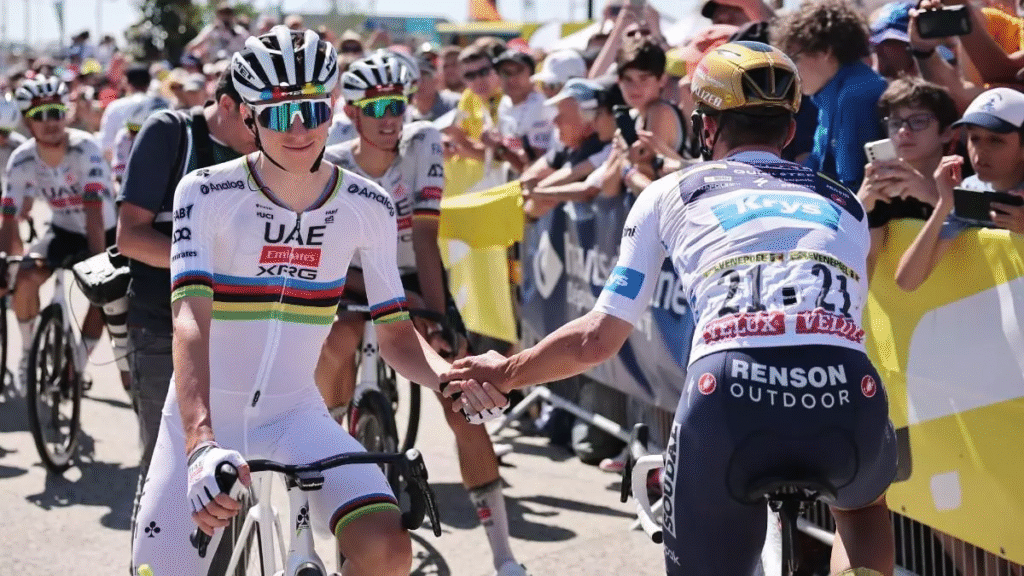
The road races raise the intensity even higher. Pogacar, dubbed “The Little Prince,” defends his world title as overwhelming favorite. His season has been dazzling, marked by dominance in stage races and classics alike. Yet challengers have built momentum: Jai Hindley, Juan Ayuso, Isaac del Toro, Mattias Skjelmose, and Julian Alaphilippe have all delivered strong performances in recent weeks. Lurking as wild cards are Primoz Roglic, absent from competition since early August, Richard Carapaz, who tested his form in Luxembourg, and Evenepoel himself, sharp in Britain but facing a step up in Kigali.
For Spain, Ayuso is the central figure. Two stage wins in La Vuelta reinforce his credentials, and the course profile seems suited to his strengths. He will be supported by Marc Soler, Carlos Verona, Abel Balderstone, Carlos Canal, Iván Romeo, Raúl García Pierna, and Roger Adrià, forming a team with balance between climbing skill and tactical depth. Whether they can disrupt Pogacar’s supremacy will depend on precise execution and unity in critical phases of the race.
Beyond the sporting spectacle, the political context cannot be ignored. Rwanda remains embroiled in tensions related to its support for the M23 rebel group against the Democratic Republic of Congo’s army. The conflict’s roots stretch back to the aftermath of the 1994 genocide, refugee flows into Congo, and ongoing battles over natural resources. Although a peace agreement was signed earlier this year, millions remain displaced and uncertainty clouds the region. The championship unfolds under this uneasy truce, raising questions about symbolism, diplomacy, and the global spotlight Rwanda now receives.
Israel’s participation adds another layer of potential tension. After controversies during La Vuelta in Spain, the presence of Israeli riders will be closely watched. While no official restrictions have been placed, organizers remain alert to the possibility of demonstrations or politically charged gestures. Comparisons with the atmosphere in Spain are inevitable, though the Rwandan stage may provide a different, more controlled environment.
The World Championships in Rwanda thus represent more than a test of strength, stamina, and tactical brilliance. They are also a reminder of how sport cannot escape the currents of global politics. Riders will fight for jerseys, but every pedal stroke will unfold against a landscape shaped by history, conflict, and diplomacy. For the peloton, the challenge is double: to survive the grueling climbs and punishing kilometers, and to navigate the weight of symbolism attached to competing in a country still healing from its past while negotiating its present.
Behind every fact, there is an intention. Behind every silence, a structure.
Detrás de cada dato, hay una intención. Detrás de cada silencio, una estructura.