

 Phoenix 24
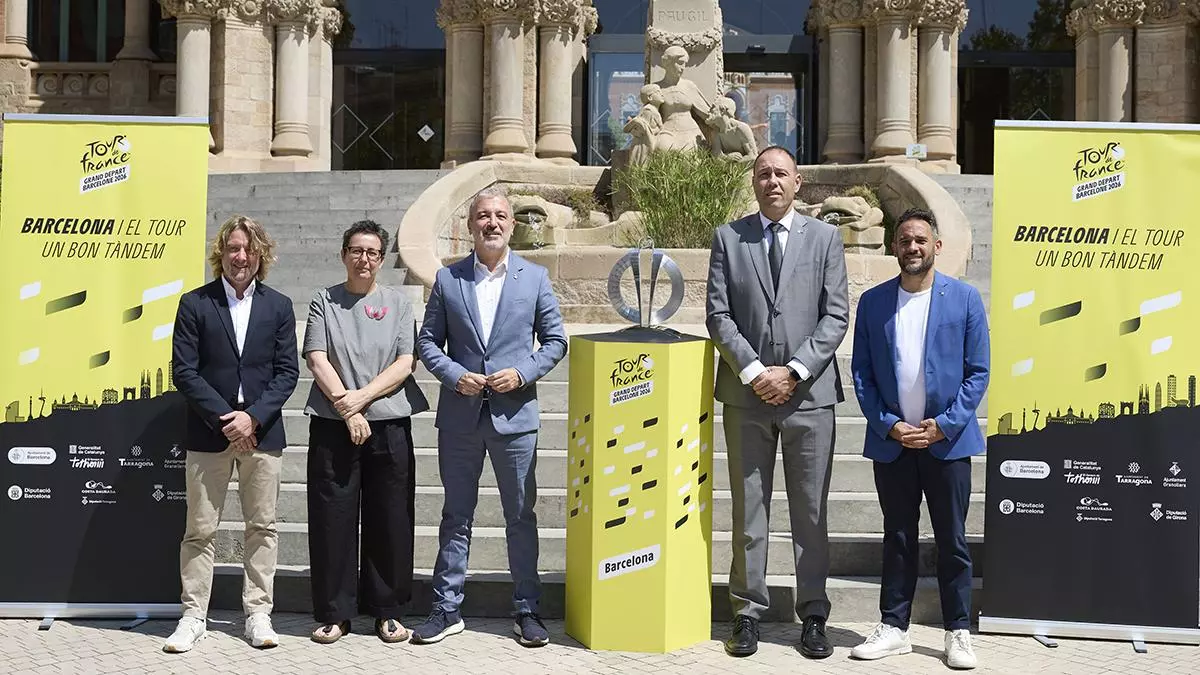
When a city lifts its voice the boundary between sport and state becomes visible
Barcelona September 2025 — City officials in Barcelona have formally requested that the Israel Premier cycling event be banned from entering the city’s calendar citing concerns over human rights, geopolitical tensions and solidarity with Palestine. The demand comes amid heightened activism from local groups who argue that hosting sports in contested contexts amounts to complicity in conflict.
The move reflects a broader global conversation about ethical sport where decisions about hosting events are no longer seen as purely administrative. By invoking moral responsibility, Barcelona enters into dialogue not only with sports federations but with national governments, international organizations and public opinion. For many citizens the city’s stance symbolizes protest, not merely policy.
Supporters of the ban say that sport has moral power and that hosting the Israel Premier sends the wrong signal at a time of intense suffering in Gaza. They argue that international sporting bodies should uphold principles of peace, human rights and solidarity. Critics counter that sport should remain apolitical, or at least neutral, maintaining separation from diplomatic conflicts and avoiding the risk of cancelling events for political ends.
The underlying tension lies in balancing values with logistics. Event organizers stress contractual obligations, sponsorships, travel arrangements and economic impact. Cycling federations warn that bans can set precedent affecting not only this event but many others tied to political controversies around the world.
City hall spokespeople point out that Barcelona has long standing commitments to human rights frameworks and international declarations. They claim the ban is a continuation of civic identity not just soundbite activism. It is seen as demand for coherence between municipal governance and ethical posture.
For some athletes the request raises doubts. They express concerns about fairness, questioning whether riders and teams not directly related to state policies are being penalized for politics beyond their control. The risk is that sport becomes a terrain of unpredictable boycotts, where stability and forward planning give way to moral litmus tests.
Yet for many residents the gesture carries symbolic weight. Barcelona’s identity as a global city, host of major sports and cultural events, includes expectations about the values it represents. Rejecting certain competitions can be read as assertion of civic conscience, aligning local governance with social and ethical demands from constituents.
The geopolitical backdrop is complex. Israel Premier organizers deny accusations and affirm that sports should unite not divide. International sports governance bodies typically discourage withdrawals or bans tied to politics warning of fragmentation. Meanwhile, city-level actions like Barcelona’s contribute to emerging patterns where local authorities weigh legitimacy of events not just by economic benefit but by ethical cost.
Barcelona’s request puts pressure on international cycling federations, sponsors and possibly higher levels of government to clarify policies on event hosting in politically contested contexts. The implications stretch beyond one city or one race: this may redefine how sport and politics intersect in a world where publics increasingly demand ethical alignment.
El silencio nunca es neutral La información siempre es poder
Silence is never neutral Information is always power