

 Phoenix 24
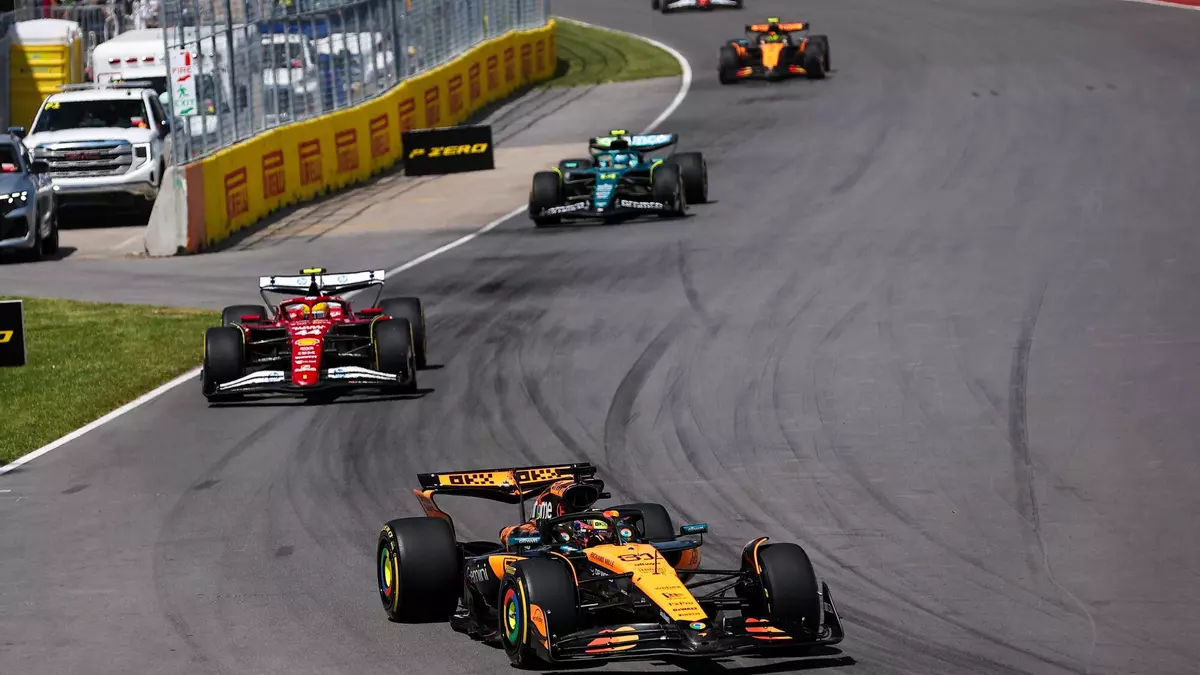
When format becomes spectacle the sport’s identity negotiates its boundaries
Global September 2025 — Formula 1 has officially announced that next season will feature six sprint races reinforcing the format introduced to add excitement mid weekend but also raising questions about how far change can stretch tradition. These shorter races designed to settle part of the grid order are meant to inject unpredictability yet demand strategic recalibration from teams drivers and organizers.
The decision reflects growing pressure on F1 to maintain viewer engagement in an era where fans expect more action more frequent results and formats that break from the usual Sunday-only climax. Sprint events mix with qualifying sessions opening a new layer of tactical complexity: tyre management track position and car setup become more variable than before. Drivers must balance aggression and conservation knowing that sprint results carry consequences not just for spectacle but for championship momentum.
Teams have expressed both relief and caution. Some welcome the change because sprints offer additional points more exposure and opportunities to recover from poor qualifying. Others warn that squeezed schedules logistical burdens and wear on equipment might offset benefits especially for smaller teams with limited resources. Costs are likely to rise while the demand for reliability under compressed race weekend timetables increases.
From the regulatory side F1 management alongside the FIA asserts that these sprint races will be spread across circuits capable of handling enhanced load on track infrastructure and pit operations. Organizers must ensure safety standards and support services align with more intense weekend formats. Fan experience is expected to shift too with tickets schedules broadcast windows and Sunday race cadence adapting to accommodate sprint dynamics.
The announcement also dovetails with broader trends in motorsport and global entertainment: shorter formats tighter pacing and constant narrative escalation. F1 competes not just with other forms of racing but with streaming platforms social media and esports all vying for attention. “Six sprint races” may become another virtue signal for modernity but success depends on execution fan reception and how well tradition is preserved amid innovation.
For fans the change offers more moments of tension early in the weekend new chances to see overtakes and risk taking but also increases the load for those attending multiple sessions or following long distances. For drivers sprint races could be a blessing for some who thrive under pressure or misfortune for others if one mistake in a high stakes sprint carries outsized cost. Championship strategies will shift under this new layout demanding consistency and adaptability more than ever.
The confirmation of six sprint events positions F1 at a crossroads between spectacle and endurance heritage. Whether this evolution strengthens the sport’s global appeal or dilutes its essence will be watched not just on timing screens but in fan sentiment paddock whispers and long term viability.
El silencio nunca es neutral La información siempre es poder
Silence is never neutral Information is always power