

 Phoenix 24
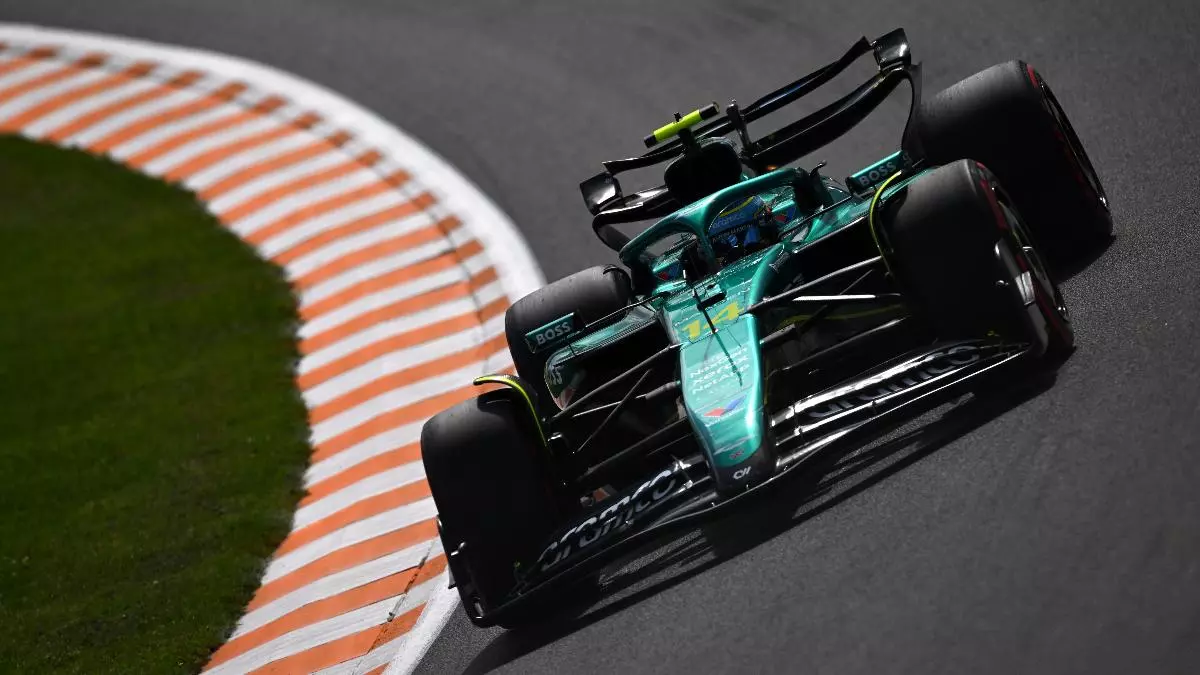
When debris becomes destiny mechanical limits reveal the fine line between chance and design
Monza September 2025 — After Fernando Alonso was forced to retire from the Italian Grand Prix due to a suspension failure Aston Martin has confirmed that the root cause was gravel launched onto the track during the opening lap which damaged multiple parts of his AMR25 including the front suspension. The team admits the damage went unnoticed initially and that cumulative stress over the race lead to the failure.
From the start of the race Lando Norris veered onto the grass in his battle with Max Verstappen creating a cloud of debris and small stones. Despite Alonso being several cars behind, one of those stones impacted his car early on. Aston Martin reports that the gravel caused micro-damage in the suspension components which under sustained load especially over the brutal curbs at the Ascari chicane eventually failed on lap twenty five forcing Alonso to abandon.
This failure is not attributed to driver error or aggressive driving through kerbs but to a misfortune of debris exposure. The car had been running fine, the damaged part had not shown immediate signs of weakness. It was under consistent low level loading during the race that the compromised suspension gave out.
Alonso expressed frustration noting these issues tend to occur when the opportunity for points is real. He believes his team lost a valuable result in the Constructors’ Championship due to this mechanical failure. The incident emphasizes both the fragility of components in modern F1 design and the unpredictable role of environmental factors even at iconic circuits.
For Aston Martin this revelation may shift focus toward pre race checks of exposed surfaces and damage detection protocols. Gravel on racing lines particularly after cars leave the track can pose hidden risks to following cars. Components designed with high tolerances may nonetheless be more vulnerable than assumed when exposed to repeated stresses without visible warning.
In terms of championship implications Alonso’s zero finish here means lost momentum. Aston Martin, fighting for position in the Constructors’ standings, may be just a few points behind rivals. Every mechanical issue of this nature underlines how reliability remains as crucial as outright speed in the high stakes world of F1.
The broader context speaks to the razor edge on which Formula 1 teams operate. On one hand innovation, lightweight materials, and performance push boundaries. On the other hand safety, durability, and unseen risk become determining factors in a championship. Here chance intersected with engineering in the worst possible way for Alonso and his team.
Every component exposed to the track environment carries risk every debris field a potential failure. Modern racing demands resilience not just in power but in the tiny tolerances that link suspension or airflow to durability. What looks like small damage can cascade into catastrophe under race conditions.
For fans and critics alike this is another reminder that in racing luck or misfortune ride shotgun with preparation. For Alonso the season remains a test not just of pace but of how many variables outside his control will conspire against him.
Detrás de cada dato hay una intención Detrás de cada silencio una estructura
Behind every piece of data there is an intention Behind every silence a structure