

 Phoenix 24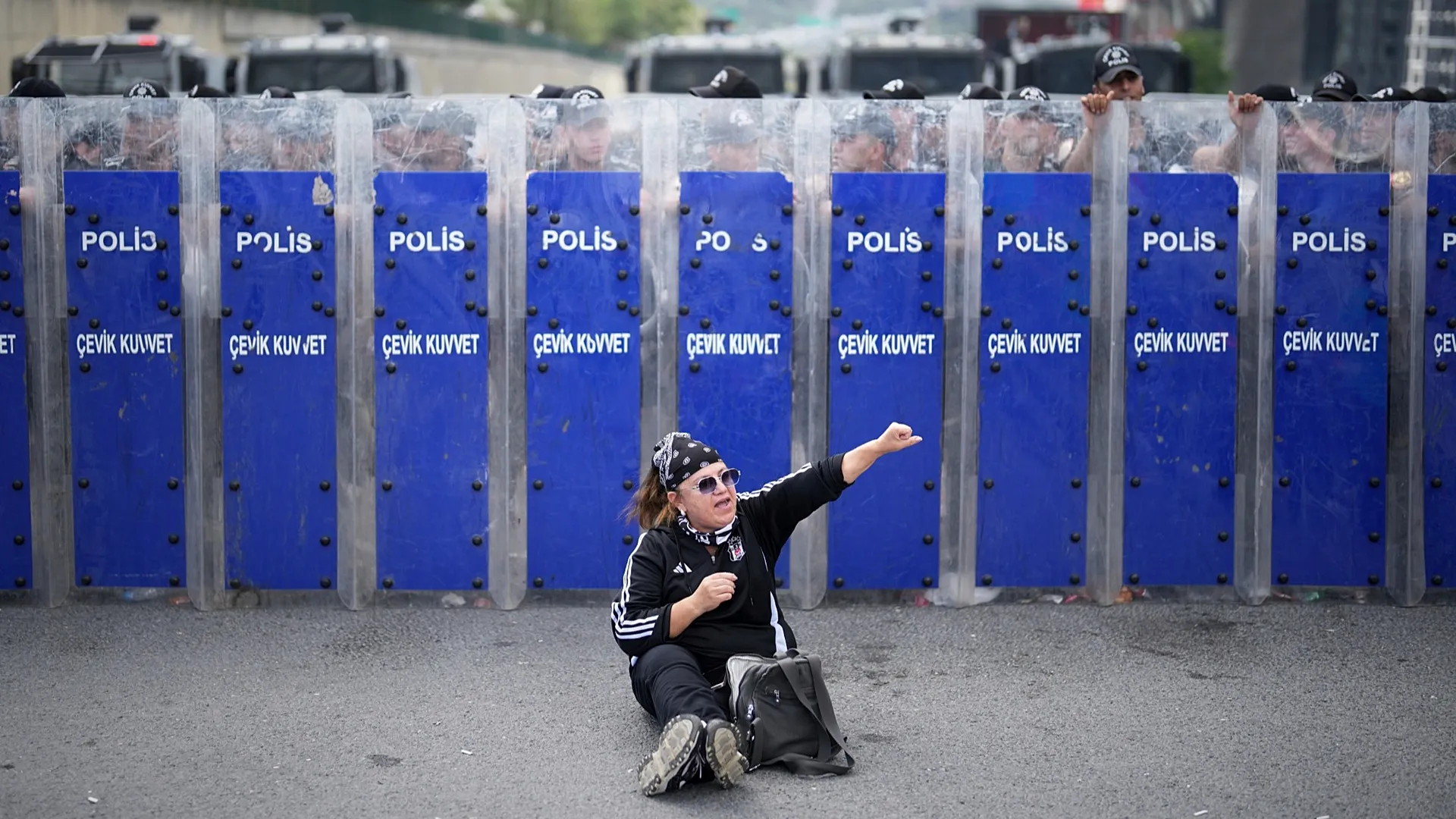
A digital blackout does not erase protest, it amplifies it in the shadows of a regime determined to silence dissent.
Istanbul, September 2025.
After clashes between police and supporters of the main opposition party in Istanbul, Turkish authorities imposed a nationwide slowdown of internet services that lasted twelve hours. The measure followed the use of pepper spray against demonstrators who gathered to defend the provincial headquarters of the Republican People’s Party from the appointment of a government-backed administrator. Almost immediately, platforms such as YouTube, X, Instagram, and WhatsApp became inaccessible for millions of citizens who turned to virtual private networks to bypass censorship and keep communication alive.
The blackout revealed itself as more than a technical intervention, it was a political weapon deployed to disrupt coordination and limit visibility of the demonstrations. The CHP headquarters in northern Istanbul became the focal point of resistance as supporters physically blocked the entrance while security forces moved to disperse them. By cutting off access to social networks, the government attempted to fracture not only the organization of protests but also the narrative that spread far beyond the streets.
Independent monitors confirmed that restrictions began late in the evening and extended widely across internet providers, creating a sudden sense of isolation in urban centers. The regulatory authority responsible for telecommunications remained silent, offering no explanation or legal justification for the measure. This silence underlined the discretionary character of the censorship and the absence of institutional accountability.
For protesters, the blackout did not halt mobilization. Instead, it reinforced the sense that digital space has become an extension of public squares, and that its suppression represents a direct assault on democratic rights. In a society where traditional media outlets are tightly controlled, social networks often provide the only accessible arena for expression. Cutting that channel amounts to extinguishing one of the last forms of visibility available to critics of the government.
Observers across Europe interpreted the measure as another step in the consolidation of digital authoritarianism, highlighting the dangers of normalizing shutdowns during moments of political tension. Analysts in the Americas noted that restrictions on communication technologies undermine investor confidence and raise concerns over the resilience of Turkey’s institutions. From Asia, think tanks warned that the precedent of abrupt internet blackouts may be adopted by other governments seeking to suppress dissent, turning Turkey into a case study in the strategic use of technological control.
Domestically, opposition leaders accused the government of using the blackout to conceal abuses of power and weaken organized resistance. Civil rights organizations emphasized that restrictions of this magnitude violate international conventions on freedom of expression and access to information. For ordinary citizens, however, the impact was immediate and tangible: messages left unsent, calls interrupted, and the sudden disappearance of the digital lifelines that structure daily life.
The blackout also deepened a growing sense of mistrust in state institutions. By resorting to technological suppression rather than dialogue, the government reinforced the perception that dissent is treated as a threat rather than as a legitimate component of democratic pluralism. This erosion of trust, combined with the heavy-handed response in the streets, fuels narratives in which the state is seen less as a guarantor of order and more as an adversary of its own people.
The confrontation in Istanbul and the subsequent internet restrictions mark a new stage in Turkey’s political trajectory. Protests no longer unfold solely in physical spaces but in hybrid arenas where the digital and the real converge. The ability of the state to control both environments reflects an adaptation of authoritarian tools to contemporary realities. Yet every blackout, rather than burying discontent, strengthens underground networks of resilience and underscores the fragility of a system that relies on silence to preserve itself.
For Turkey, the question is whether reliance on such tactics can indefinitely contain social tensions, or whether each restriction only multiplies the fractures within its political fabric. For the international community, the episode serves as a warning: in the twenty-first century, the battle over rights and freedoms is fought not only in the streets but in the digital corridors where voices seek to be heard.
The visible and the hidden, in context.
Lo visible y lo oculto, en contexto.