

 Phoenix 24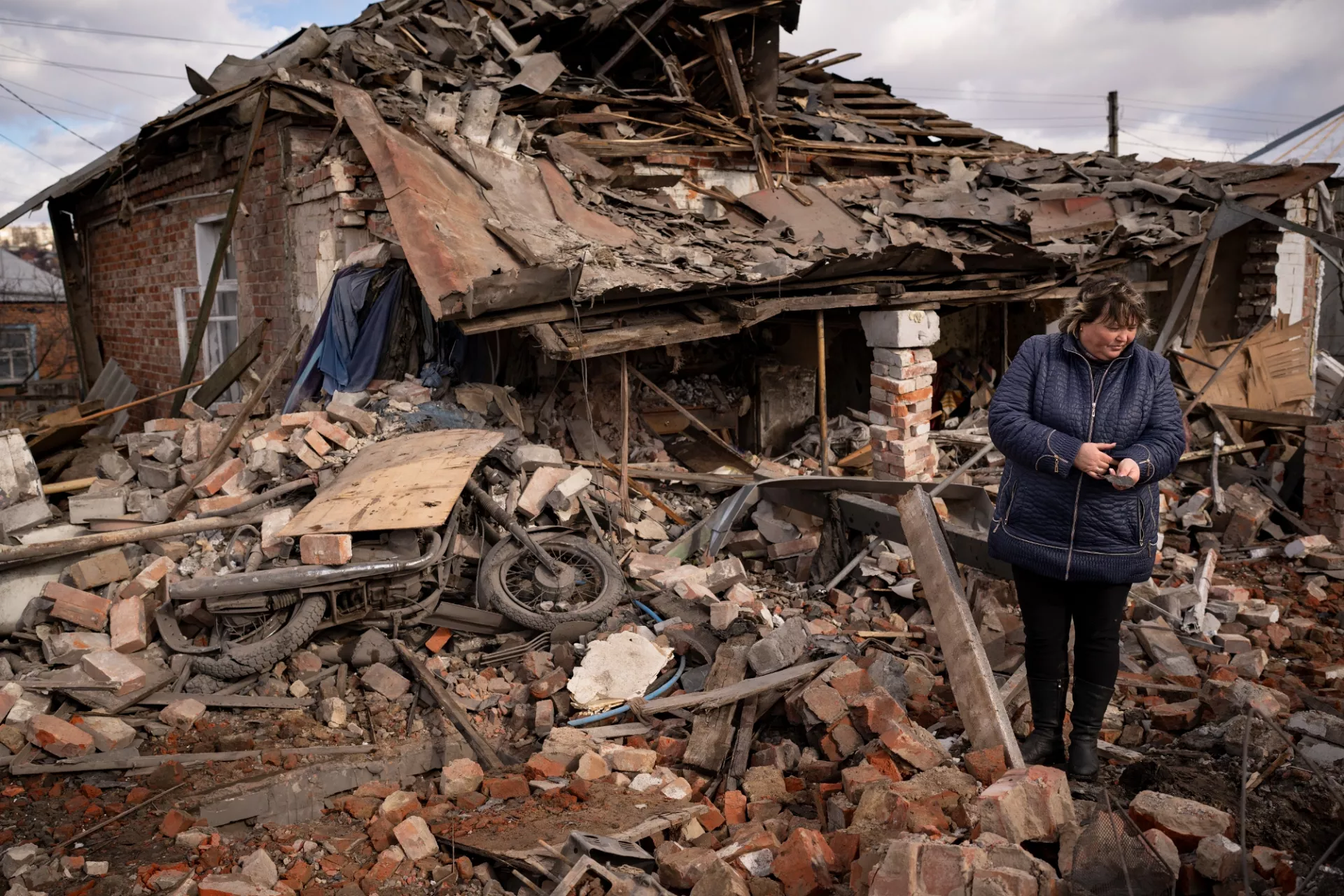
Donetsk, the symbolic heart of eastern Ukraine, has become the war’s defining fault line. Analysts warn that Russia cannot take the region by force and would only succeed if Ukraine were to withdraw—something Kyiv has categorically rejected.
Kyiv, August 2025 — The Institute for the Study of War (ISW) has concluded in its latest report that Russia lacks the military capacity to capture all of Donetsk under current conditions. Despite months of costly offensives and relentless artillery campaigns, Moscow has failed to secure decisive breakthroughs. The analysis underscores a stark reality: more than a decade into this conflict, Russia can only achieve total control of Donetsk if Ukrainian forces abandon the territory voluntarily.
This assessment highlights the limits of Moscow’s war machine. Supply lines remain vulnerable, logistical corridors are under pressure from Ukrainian drone strikes, and Russian forces face manpower shortages amid repeated mobilization cycles. The failure to take Donetsk outright underscores both the resilience of Ukrainian defenses and the exhaustion of Russian offensive capacity.
For Ukraine, holding Donetsk has become a symbol of national defiance. Officials close to President Volodymyr Zelenskyy emphasized that entrenched defenses around key cities remain intact, reinforcing the message that aggression cannot dictate borders. Military advisers note that Russian forces, though advancing in some areas, continue to suffer heavy losses in urban combat and remain unable to dislodge Ukrainian units from fortified corridors.
Moscow has attempted to present its slow pace as calculated, but frustration is mounting even within pro-Kremlin circles. Military bloggers, once supportive of Russia’s campaign, now speak of “a war of attrition without end,” pointing to enormous casualties and limited territorial gains. The Kremlin, however, insists that Donetsk is “inevitably” destined to become part of Russia, portraying any temporary setbacks as irrelevant in the long run.
Western governments view the defense of Donetsk as a test of the international order. European leaders argue that conceding territory under military pressure would embolden future aggressors and weaken the credibility of collective security. As part of this strategy, the European Union has rolled out its “Preparation 2030” plan, committing over €800 billion to strengthen defense capacity, reduce dependency on U.S. guarantees, and ensure that Ukraine’s position in Donbas is sustainable.
The United States has echoed these concerns, though Trump’s administration has reframed Washington’s role. The president has promised Ukraine “very good protection” while pressing Europe to carry more of the military burden. Analysts suggest this approach is designed to maintain U.S. influence while limiting direct exposure, leaving Europe in charge of implementing security guarantees. For Kyiv, this division of responsibility underscores the urgency of keeping European unity intact.

Ukraine’s stance on Donetsk is uncompromising. Any withdrawal would require constitutional amendments—something lawmakers across the political spectrum describe as nearly impossible. Public opinion, hardened by years of bombardment and the partial occupation of other territories, rejects concessions outright. Civil society groups warn that abandoning Donetsk would shatter trust in government institutions and fracture the country from within.
The economic consequences of this stalemate are also significant. Energy markets remain volatile, with prices reacting to every sign of escalation around Donbas. Russia, under heavy sanctions, struggles to sustain its war economy, while Ukraine’s reconstruction needs continue to grow. Estimates suggest the cost of rebuilding already surpasses €500 billion, with Western capitals considering whether frozen Russian assets should finance recovery.
Behind closed doors, indirect actors are also shaping the future. Banks, NGOs, and consortia linked to post-war reconstruction are drafting frameworks for investment and humanitarian relief, anticipating that Donetsk will determine the terms of any eventual settlement. Countries like India and Turkey are positioning themselves as possible mediators, leveraging the conflict as an entry point to increase their global influence. Their involvement underscores the shift toward a multipolar order, where non-Western actors exploit diplomatic gaps to advance their own agendas.
The ISW’s assessment therefore has implications that extend far beyond the battlefield. If Russia cannot seize Donetsk without Ukraine’s withdrawal, then the war risks settling into a protracted stalemate marked by attrition and mounting humanitarian costs. For Kyiv, this provides both validation and pressure—validation that its resistance is working, but pressure to maintain international support at a time when Western political cycles could shift priorities.
The future of Donetsk will hinge on three critical variables: Ukraine’s determination to hold its ground, Russia’s willingness to sustain high losses without concessions, and the West’s capacity to provide long-term support. If all remains constant, Donetsk may become a frozen frontline, symbolizing defiance but prolonging suffering. A disruption, such as a political shift in Washington or within Europe, could alter the balance and force compromises Kyiv has so far refused. And should non-Western powers step in as mediators, the negotiation table could transform into a multipolar arena, reshaping the contours of peace itself.
In this sense, Donetsk is more than just a battlefield. It has become the pivot on which the credibility of Ukraine’s sovereignty, the durability of Western alliances, and the integrity of the international order all turn. Whether Ukraine stands firm or external pressures mount, the region’s fate will continue to define not only the trajectory of the war but the architecture of global security in the years to come.
Bajo los más altos estándares de verificación y ética periodística, Phoenix24 elaboró este artículo con información vigente y análisis independiente desde una perspectiva geopolítica integral.
Under the highest standards of verification and journalistic ethics, Phoenix24 prepared this article with up-to-date information and independent analysis from a comprehensive geopolitical perspective.