

 Aleksi Laaksonen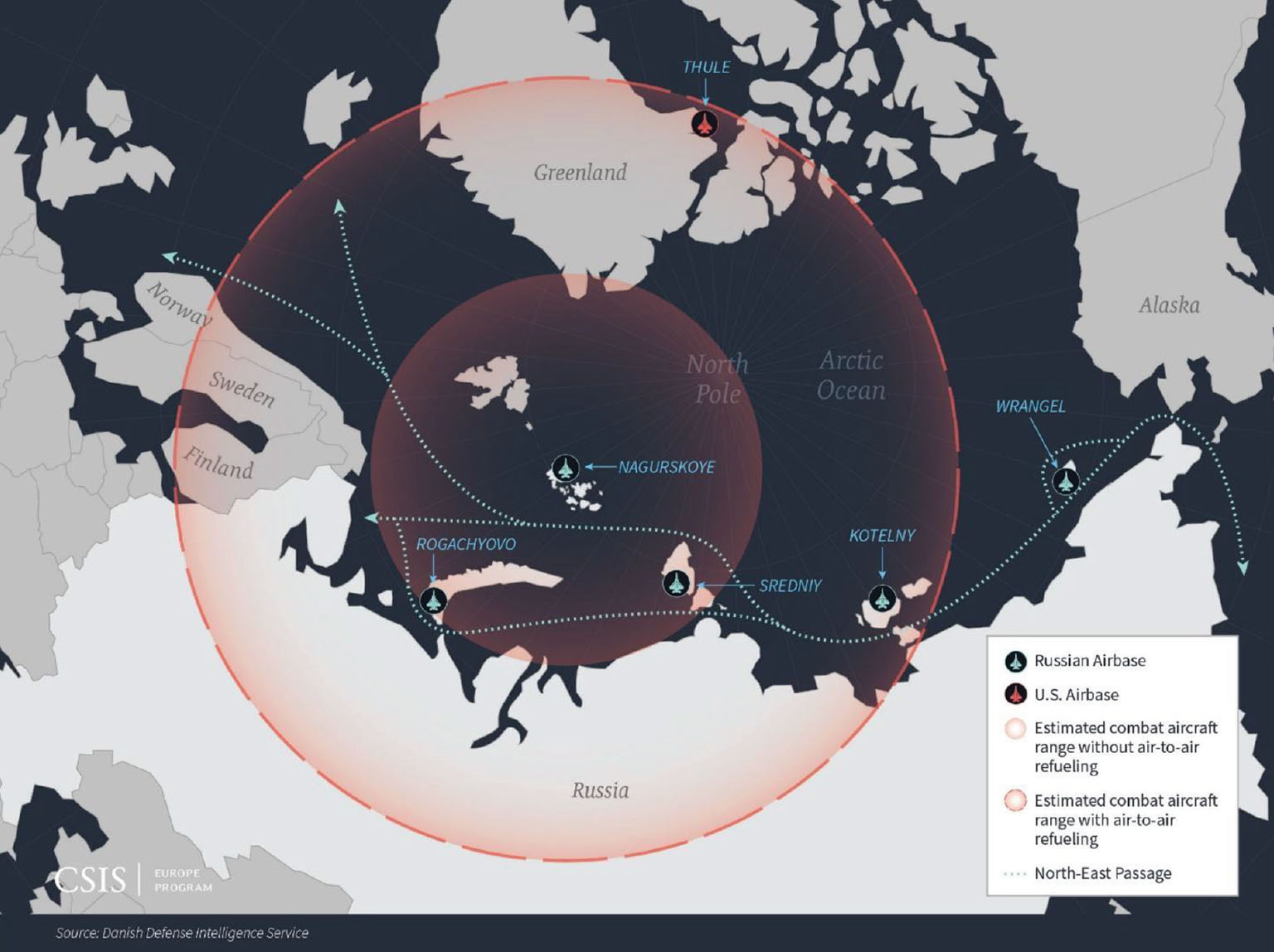
In Brussels, “digital sovereignty” has evolved from a buzzword into a critical defensive perimeter stretching from the Baltic’s icy harbors to the northern skies above Tromsø. The war in Ukraine has redrawn NATO’s military maps, but it is the less visible cyber conflict running parallel to the artillery fire that has exposed Europe’s most fragile nerve: its dependence on foreign-built networks, cloud infrastructures, and supply chains that can be manipulated in silence.
The northern flank of NATO has traditionally been defined by radar domes, air patrols, and maritime chokepoints. Yet in 2025, the decisive battles are unfolding in server farms, undersea cables, and encrypted transmissions. Estonia’s capital, Tallinn — scarred by the 2007 Russian cyberattacks — has become Europe’s laboratory for digital resilience. The doctrines developed there now shape alliance-wide strategies, influencing how everything from election systems to satellite communications is protected.
Further north, in Tromsø, the gateway to the Arctic, the focus extends beyond conventional defense. Here, Europe monitors the movements of Russian submarines along the Northern Sea Route and the security of subsea data cables that carry as much as 97% of intercontinental internet traffic. In the age of hybrid war, a single cut to these lines can paralyze markets, disrupt critical services, and erode public trust. The defense of physical territory is meaningless without the defense of digital arteries.
Hybrid adversaries exploit the seams between peace and war. Russia uses disinformation campaigns to polarize electorates while deploying advanced malware to infiltrate energy grids and defense contractors. China’s influence, though less overt in the military domain, is visible in the competitive bidding for European telecom infrastructure and the quiet spread of municipal surveillance technology linked to state-backed suppliers. Both cases reveal the same strategic truth: the contest is no longer solely for land or sea, but for the operational control of data flows, decision-making processes, and the very architectures of trust.
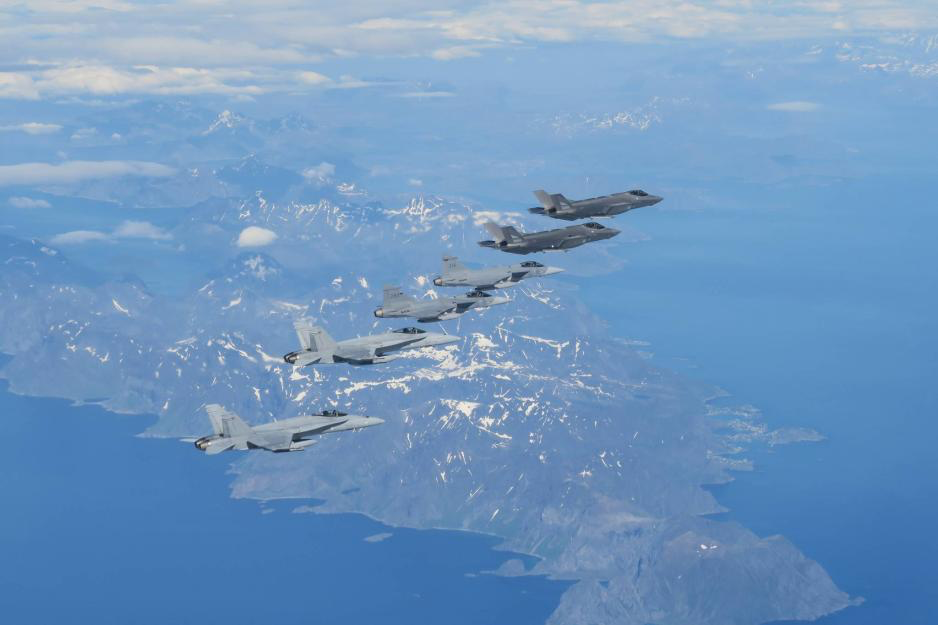
In parliamentary hearings across Helsinki, Berlin, and Warsaw, policymakers debate quantum encryption, digital autonomy, and the risks of dependency on non-European cloud providers. Behind the public discourse, NATO’s Cooperative Cyber Defence Centre of Excellence in Tallinn runs joint exercises simulating multi-vector attacks — scenarios where cyber intrusions coincide with maritime sabotage or Arctic airspace violations. These war games are no longer academic drills; they are rehearsals for a security landscape where a breach in a government server can carry the same strategic weight as a breach in a border.
The geography from Tallinn to Tromsø is deceptive. On a flat map, it appears as a cold, peripheral edge of Europe. In reality, it is a pressure corridor — a space where the Russian exclave of Kaliningrad, the Finnish borderlands, and the Norwegian Arctic converge into a testing ground for both kinetic and digital warfare. The infrastructure here is dual-use by default: a port serves fishing fleets by day and NATO logistics by night; a fiber-optic cable supports civilian communications but doubles as a strategic intelligence asset.
European resilience will depend on bridging three persistent gaps. First, the political gap — where slow-moving legislative processes lag behind the speed of cyber threats. Second, the technological gap — where indigenous European solutions must compete with faster, cheaper imports from adversarial powers. Third, the cultural gap — where citizens still view digital threats as abstract until their hospitals, banks, or power grids are disrupted. Closing these gaps requires not just investment, but a shift in strategic culture: seeing cyber defense not as a specialist’s niche but as the backbone of sovereignty.
The concept of “digital sovereignty” is often framed in economic terms, but in this corridor it is a matter of existential security. Without control over the networks that carry its intelligence, commerce, and governance, Europe risks becoming an arena where foreign powers dictate the operational tempo. Defending these lines requires cooperation that extends beyond NATO’s military structures — involving the EU’s regulatory reach, private-sector innovation, and public awareness.
The future of Europe’s autonomy will be decided in places that rarely make the headlines. In the dim-lit control rooms of Tallinn, where analysts parse cyber threat telemetry. On the windswept docks of Tromsø, where maintenance crews secure Arctic data links against the cold and against sabotage. And in the encrypted diplomatic exchanges between Nordic capitals, where alliances are being quietly recalibrated for a world where the first strike might come through a line of malicious code, not a missile.
From Tallinn to Tromsø, the line of defense is no longer drawn in trenches or air patrol sectors. It runs through servers, encryption keys, and algorithmic firewalls — the unseen architecture that holds the European project together. If Europe secures this frontier, it will preserve not only its democratic institutions but the ability to decide its own future. If it fails, the rules of its destiny will be written elsewhere, by actors who see networks not as public goods but as tools of control. In the age of hybrid war, defending the network is defending the nation.
Aleksi Laaksonen, Finnish investigative journalist and strategic analyst, reporting from Helsinki on the shifting fault lines of NATO–Russia tensions, EU digital sovereignty, and the militarization of Europe’s Arctic frontier.