

 Phoenix 24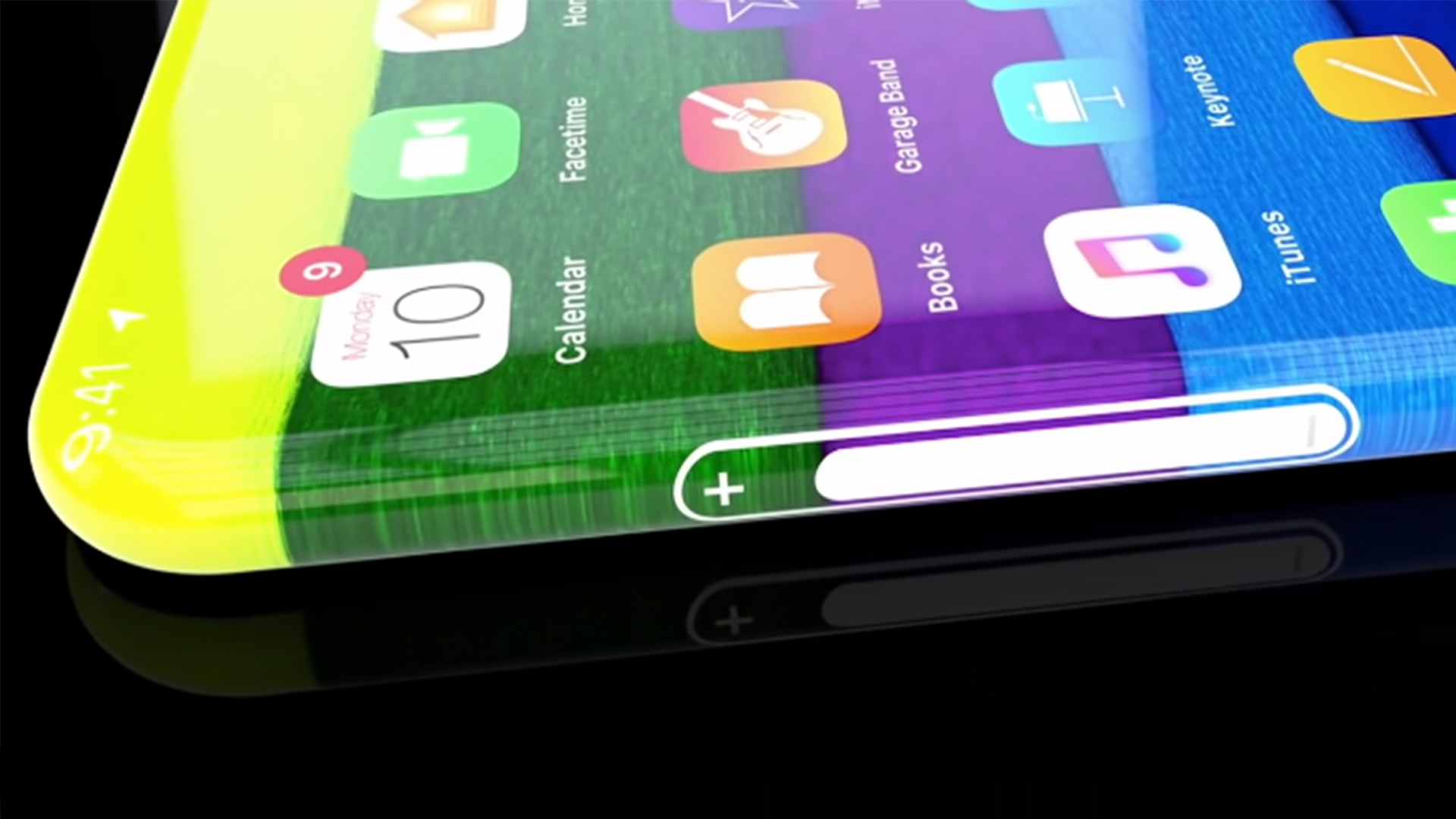
A radical patent unveils a gesture toward the future—a phone without buttons, fully attuned to touch, and built like a seamless sculpture of glass.
Cupertino / Global, August 2025.
Apple has filed a new patent—a fresh twist on the long-held dream of a “single slab of glass” iPhone—that could set a new course for smartphone design. This conceptual device is envisioned with a six-sided crystalline body, each surface touch-sensitive and capable of displaying content or registering user interaction. Conceived as a seamless glass enclosure, it would sweep around the front, sides, and back, erasing the need to orient the phone in any one direction.
This design transcends subtle tweaks like curved edges or minimalist buttons. It proposes a reimagined interface where icons, backgrounds, and user interactions flow unhindered across all surfaces—plunging the device into immersive continuity. This aspiration dates back to 2018, rooted in Jony Ive’s vision of a unified, elegant form. The patent indicates how Apple may activate any planar surface for commands or content, with pressure sensitivity to execute actions like accepting calls or launching apps—all without physical buttons or breaches in material.
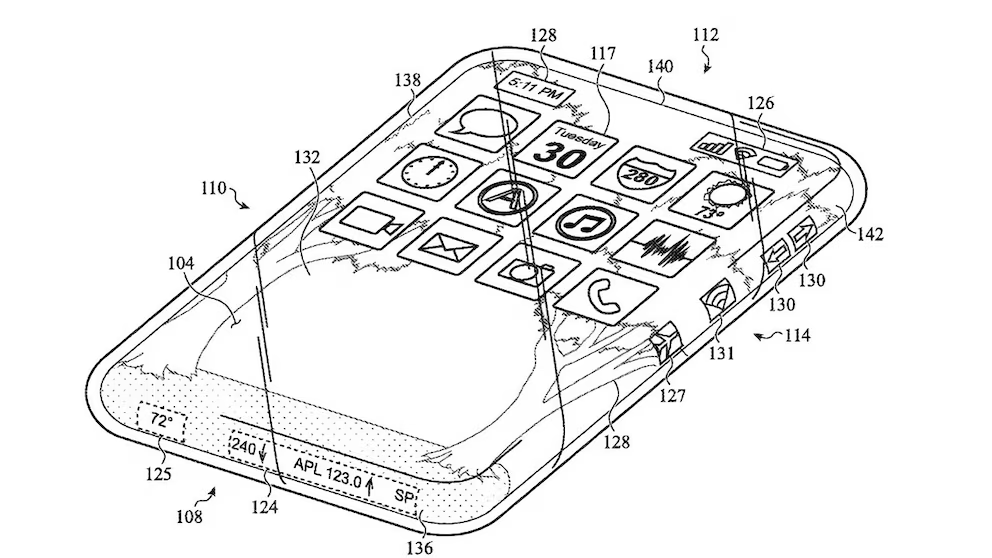
La patente describe una pantalla envolvente y una experiencia de usuario inmersiva y tridimensional. (Apple)
While aspirational, the patent does more than flirt with futurism—it signals how Apple thinks about interface and hardware unity. As the company designs with “Liquid Glass” for iOS 26, using translucency, refraction, and motion-responsive elements to bring more depth to software, the glass iPhone concept echoes the same design philosophy in hardware. Both directions reflect a mission to dissolve boundaries between interface, device, and user.
Bringing this vision to life would require overcoming significant technical hurdles. Creating durable, touch-sensitive glass faces—sealed around six sides—raises challenges in structural integrity, thermal control, signal transmission, battery integration, and antenna placement. Apple’s prior designs pushed the glass envelope back in iPhone 4 and later through edge-to-edge screens, but this concept represents not a refinement, but a quantum leap: a rethinking of hardware itself as a seamless, intelligent surface.
Strategically, the timing is telling. With iPhone’s 20th anniversary on the horizon in 2027, Apple appears to explore bolder form factors—foldables, curved glass designs, immersive AR wearables. The crystalline phone, whether realized or symbolic, surfaces amid this wave of forward-looking development, aligning with broader ambitions to merge luxury design with intuitive interaction. The simultaneous announcement of Apple’s massive U.S. investments in glass manufacturing reinforces this direction: the ambition includes both aesthetic evolution and strategic supply chaining.
From the editorial desk of Phoenix24, the “crystal iPhone” patent offers a glimpse into Apple’s design DNA as much as its hardware roadmap. The move embodies the company’s long game: shaping the future not through incremental changes, but through discipline, craftsmanship, and a deep understanding of how objects can feel alive.
The broader significance goes beyond product hype. It defines how consumers might interact with technology in coming years—not constrained by screens or borders, but immersed in unified, intelligent surfaces that blur device and user. The patent may never become reality, but it reflects a brand still unwilling to settle for convention.
This piece was developed by the Phoenix24 editorial team using verified international sources, public data, and rigorous analysis in alignment with the current global context.
Esta pieza fue elaborada por el equipo editorial de Phoenix24 con base en fuentes internacionales verificadas, datos públicos y análisis riguroso en coherencia con el contexto global vigente.