

 Phoenix 24
A criminal coalition meant to challenge “Los Chapitos” is succumbing to logistical decay and relentless security pressure.
Sinaloa, August 2025
Since May 5, Sinaloa has been gripped by an unprecedented wave of violence — roadblocks, prolonged shootouts, and targeted executions in strategic municipalities such as Guamúchil, Mocorito, and Guasave. At the center of the escalation was an announced alliance between Ismael Zambada Sicairos, alias “El Mayito Flaco” — son of Ismael “El Mayo” Zambada — and Fausto Isidro Meza Flores, known as “El Chapo Isidro,” a historic figure from the Beltrán Leyva Organization. The declared goal: confront “Los Chapitos” and reclaim territorial control in the face of their growing dominance.
The coalition’s initial narrative, amplified through social media posts and encrypted messaging groups, promised to “restore peace” through a united front. However, organized crime experts such as José Luis Montenegro and Jesús Lemus warn that this strategy has begun to crumble. The reasons are multiple: logistical exhaustion, shrinking human and material resources, loss of strategic routes, and mounting military pressure on their operational strongholds.
Intelligence sources consulted by Phoenix24 indicate that the recent tactical alliance between Los Chapitos and the Jalisco New Generation Cartel (CJNG) has left the La Mayiza faction in unprecedented vulnerability. Allied groups such as “Los Salazar” in Sonora and cells in Caborca have suffered operational setbacks that sharply reduced their capabilities. The arrest of mid-level commanders, the seizure of drug shipments, and the enforcement of international financial sanctions have accelerated the decline.
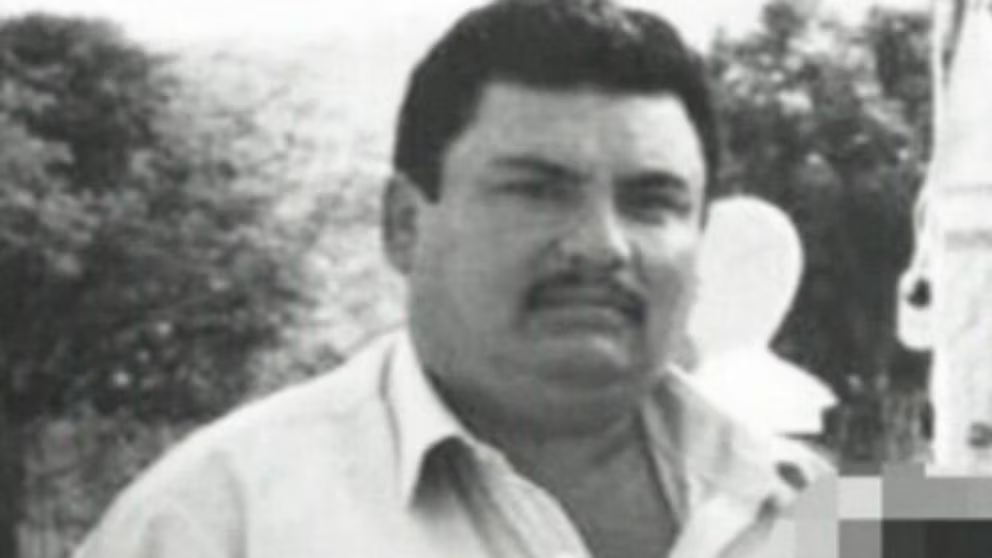
“El Chapo Isidro,” regarded by the DEA as one of the last major independent kingpins of the post-Beltrán Leyva era, has maintained a historic rivalry with the Guzmán family. Although this episode saw him opt for pragmatic cooperation with “El Mayito Flaco,” law enforcement reports and data from agencies such as the U.S. Treasury Department suggest that mutual trust was always fragile. Recent operations by Mexican authorities have identified uncoordinated movements suggesting that both groups are once again prioritizing their individual agendas.
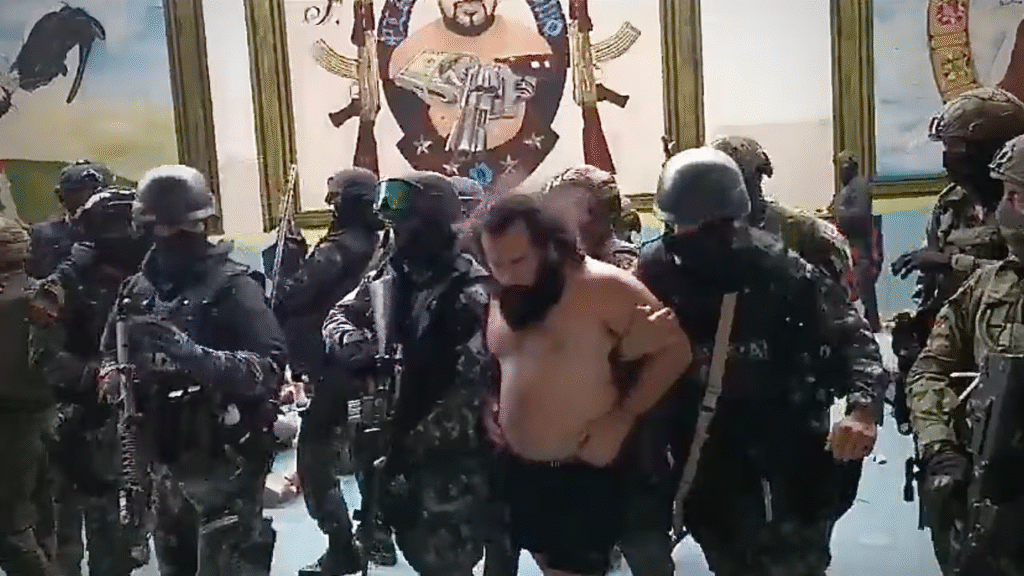
This rupture has consequences beyond the internal battlefield. Weakening one faction creates opportunities for other players — including remnants of the Juárez Cartel or independent groups in the northwest — to expand their influence. The split could also trigger new turf wars in production zones and trafficking corridors into the United States, particularly in Baja California, Sonora, and Durango, where territorial disputes often translate into violence against civilians.
In parallel, Mexican federal agencies have intensified joint operations with state forces to dismantle operational cells in critical areas. The deployment includes highway patrols, escape route blockades, and simultaneous raids on ranches and warehouses. While the immediate impact is evident in seizures and arrests, experts warn that without strong judicial follow-through, many of these structures could reconstitute themselves within months.
The current dynamics of organized crime in Sinaloa resemble a constantly shifting chessboard. Following the capture of historic figures and the rise of younger leadership, alliances are no longer defined solely by blood ties or family loyalties but by operational convenience. In this context, the breakdown between “El Mayito Flaco” and “El Chapo Isidro” is not an anomaly but a reminder that power in the narco world is fleeting and highly volatile.
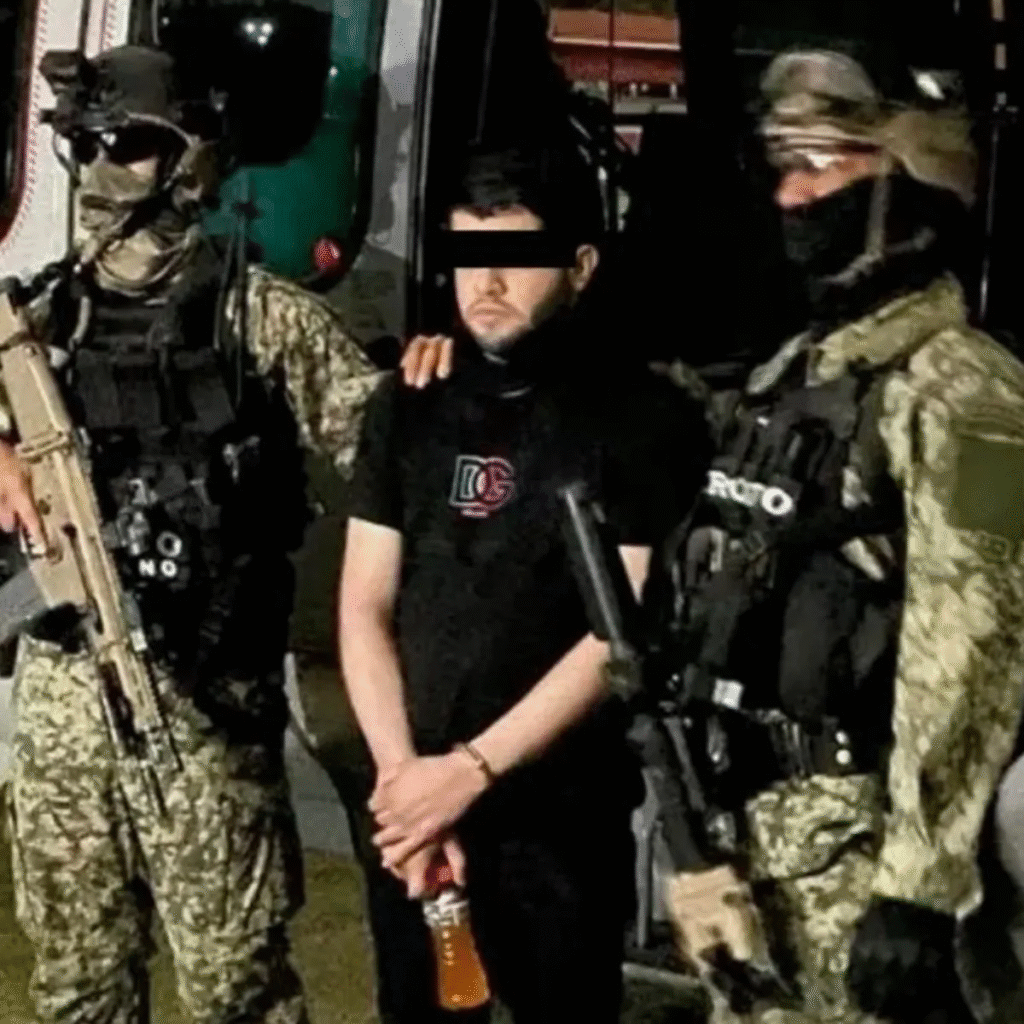
International pressure adds another layer of complexity. Washington, through the DEA and the Treasury Department, keeps both leaders and their financial networks on its high-priority target list. In recent months, authorities have frozen accounts and properties linked to key operators, disrupting the flow of capital that sustains their operations. Europol has also flagged connections between these factions and trafficking networks bound for Europe, expanding the conflict’s reach far beyond Mexico’s borders.
If this trend continues, fragmentation could lead to even more chaotic violence, with multiple actors competing for control of territories and routes — increasing pressure on local and federal authorities alike. For civilians, the risk is clear: more shootouts, more forced displacements, and a persistent sense of insecurity.
Produced by Phoenix24 with verified international information and independent analysis, this report reflects our commitment to quality journalism and geopolitical responsibility.
Elaborado por Phoenix24 con información internacional verificada y análisis independiente, este reportaje refleja nuestro compromiso con el periodismo de calidad y la responsabilidad geopolítica.