

 Phoenix 24
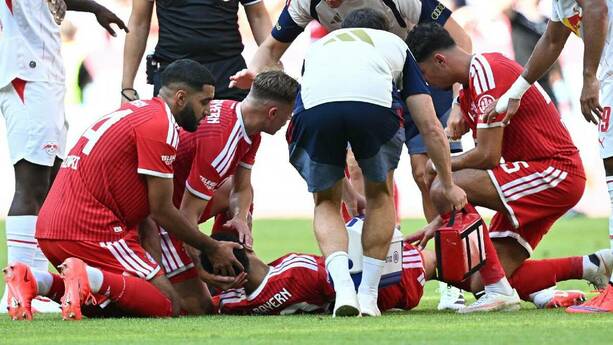
A football star’s health reignites questions about responsibility and professional football.
MUNICH
Bayern Munich midfielder Jamal Musiala has reportedly experienced another neurological episode, intensifying concerns about his health and triggering a growing controversy over how the German club is managing his recovery and professional future. According to information obtained by German news agency SID and reported by AFP on November 22, the 23-year-old suffered another absence seizure during training on November 16. The development emerged just days after Musiala returned to competitive football, placing renewed attention on the medical challenges facing one of Germany’s most talented players.
The latest reported episode follows two incidents in August, when Musiala collapsed during preseason matches against RB Leipzig and Heidenheim. The German international subsequently disclosed that he was receiving treatment for a neurological condition associated with brief episodes of impaired awareness. At the time, he explained that specialists considered the condition treatable and that continuing his football career remained important to him. The new report suggests that adjustments to his medication are still being evaluated, although no comprehensive medical update has been publicly released.
Despite these difficulties, Musiala returned to Bundesliga action on November 20, entering Bayern’s 1-1 draw against Cologne as a substitute in the 70th minute. His appearance marked an important step following a separate muscular injury that had kept him unavailable since September. The midfielder also previously endured a serious leg injury during the 2025 FIFA Club World Cup, making his recent professional trajectory unusually demanding from a physical and medical perspective.
The situation has become increasingly controversial following public remarks by senior Bayern officials concerning Musiala’s sporting future and contractual obligations. Karl-Heinz Rummenigge, a member of the club’s supervisory board, suggested that discussions about the player’s financial agreement might become necessary if he cannot recover his previous performance level. Similar concerns have been expressed by honorary president Uli Hoeness and chief executive Jan-Christian Dreesen, although the club maintains that its intention is to evaluate Musiala’s recovery responsibly.
The comments prompted a strong response from FIFPRO, the international organization representing professional footballers. In a statement issued on November 21, the union expressed concern that repeated public discussions about Musiala’s contract could place unnecessary pressure on a player confronting health-related challenges. FIFPRO argued that contractual matters should be addressed privately and emphasized the responsibility of football clubs to protect players’ well-being throughout recovery.
Musiala signed a contract extension with Bayern Munich in 2025 that runs until 2030. His reported remuneration makes him one of the club’s highest-paid players, adding a financial dimension to discussions about his long-term availability. Nevertheless, questions about future sporting performance remain distinct from the legal obligations established through an existing employment agreement, and no formal renegotiation has been confirmed.
Bayern’s chief executive has rejected suggestions that the organization intends to pressure Musiala into accepting different contractual conditions. Dreesen emphasized that the midfielder requires sufficient time to recover and that the club should assess his progress before reaching conclusions about his future. The contrasting positions have broadened the discussion beyond football performance to include professional ethics, medical privacy and organizational accountability.
From a medical perspective, absence seizures involve brief disruptions in awareness that can vary in their presentation and frequency. Their clinical implications depend on individual circumstances, neurological evaluation and response to treatment. Public reports of recurring episodes cannot independently determine an athlete’s prognosis, long-term capabilities or suitability for competitive participation, making qualified medical assessment essential.
For elite football organizations, Musiala’s situation illustrates the complex relationship between athletic performance, financial commitments and the duty of care owed to employees. Professional clubs operate within highly competitive commercial environments, but decisions involving medical conditions require particular attention to confidentiality, informed participation and the avoidance of unnecessary psychological pressure. Athletic recovery cannot always be measured according to the immediate expectations of supporters, executives or financial stakeholders.
Musiala remains an important figure for Bayern Munich and the German national team, with a career that has already demonstrated exceptional technical ability and creativity. His immediate priority, however, is maintaining appropriate medical care while determining how competitive football can fit into his individual treatment and recovery process. The outcome will depend on medical evidence and professional decisions rather than speculation about his future value.
Beyond the Headlines, Accountability Matters.