

 Phoenix 24
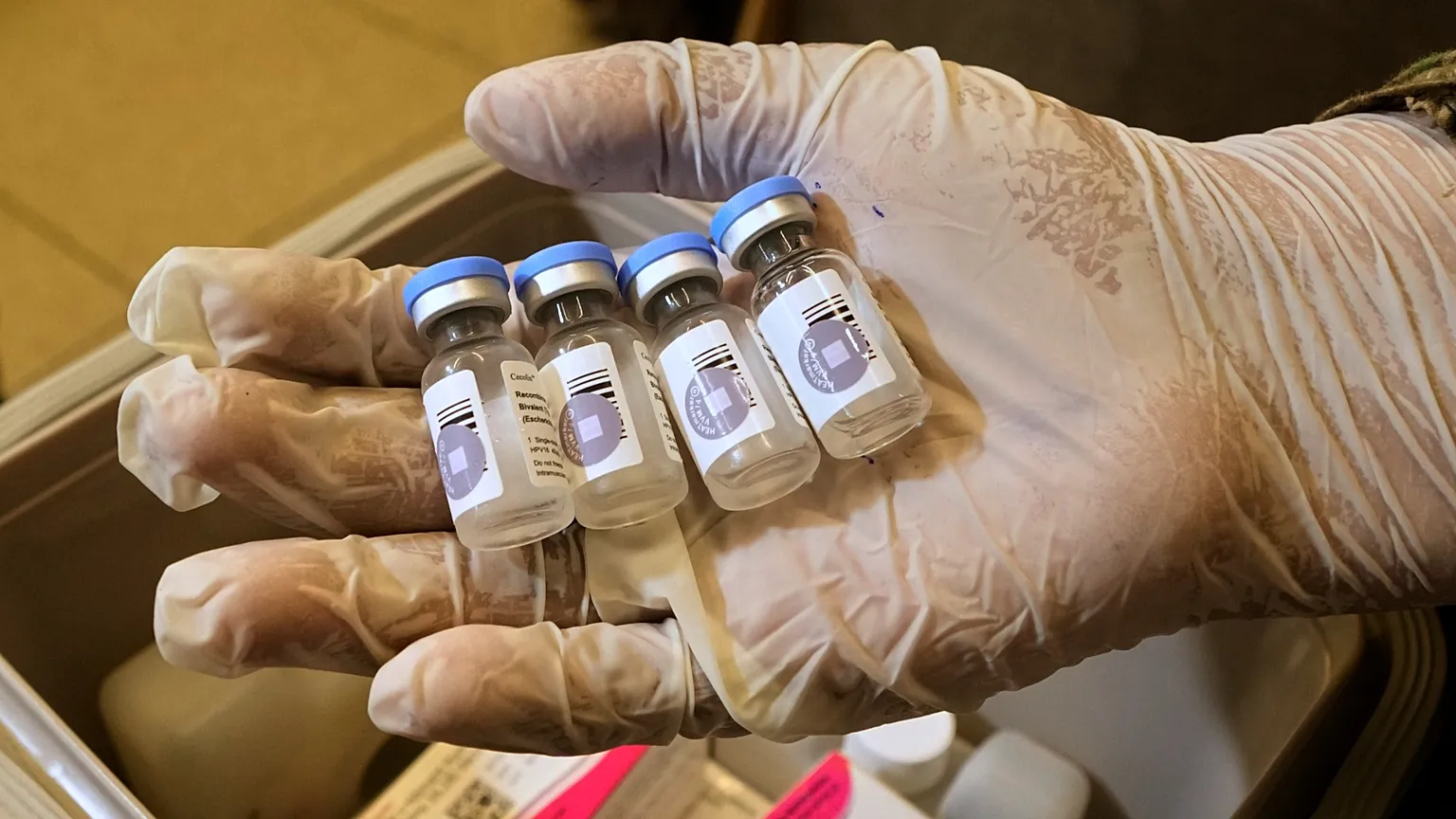
Proven protection remains unevenly distributed across European populations.
STOCKHOLM
Europe has made substantial progress in preventing cancers associated with human papillomavirus (HPV), yet significant differences in vaccination coverage continue to expose inequalities between countries, age groups and genders. New figures highlighted by the European Centre for Disease Prevention and Control (ECDC) reveal that adolescents in Portugal, Spain and northern European countries are considerably more likely to receive the vaccine than those in parts of Central and Eastern Europe. The disparity persists despite extensive scientific evidence demonstrating that vaccination can substantially reduce the risk of cervical cancer, raising important questions about healthcare accessibility, public confidence and the effectiveness of national prevention strategies.
The magnitude of these differences is striking. Recent European vaccination figures place coverage among girls at approximately 95% in Portugal, compared with around 4% in Bulgaria. Among boys, reported coverage ranges from 94% in Portugal to just 1% in Romania. Across the countries assessed, an average of 64% of girls and 51% of boys had completed their recommended HPV vaccination schedules by age 15, although coverage figures depend on the reporting period and national vaccination schedules. These differences illustrate how access to an established preventive intervention can vary dramatically across neighboring healthcare systems.
The scientific case for HPV vaccination has strengthened considerably since vaccines first became available in the European Union in 2006. A major Cochrane review published in 2025 examined 225 studies involving more than 132 million participants across multiple countries. Researchers found that girls vaccinated at or before age 16 experienced approximately an 80% reduction in the relative risk of developing cervical cancer compared with those who had not been vaccinated. The findings provide substantial evidence of long-term protection, particularly when immunization occurs before exposure to HPV.
Human papillomavirus comprises a large group of viruses, some of which can establish persistent infections associated with cervical, anal, penile and certain head and neck cancers. Although most HPV infections resolve without medical intervention, persistent infection with high-risk viral types can produce cellular changes that eventually develop into malignancies. Vaccination reduces the risk associated with the viral types covered by the vaccine, making it an important preventive measure for both females and males. Nevertheless, vaccination cannot eliminate every cancer risk, and recommended cervical screening remains essential.
Portugal’s experience demonstrates the potential benefits of organized immunization programs supported by public healthcare infrastructure. Sweden has also made considerable progress, reporting vaccination coverage of approximately 91% among girls and 87% among boys by 2025. Its strategy includes catch-up vaccination opportunities for women who were not immunized during adolescence, reflecting a broader effort to accelerate the elimination of cervical cancer as a public health problem. Such approaches recognize that effective prevention depends not only on vaccine availability but also on ensuring that eligible populations can access services through practical and reliable systems.
France offers another example of how public policy can influence participation. Following the introduction of a school-based HPV vaccination program in 2023, reported vaccination coverage among the targeted age group increased from 31% to 48% during its first year. The initiative demonstrates the potential value of delivering preventive healthcare within educational settings, where opportunities for information, parental engagement and organized vaccination can be integrated into existing institutions. However, changes in coverage should be interpreted alongside differences in measurement, eligibility and program implementation.
Elsewhere, institutional barriers and public attitudes continue to complicate progress. Research concerning Romania, Bulgaria and Croatia has identified vaccine misinformation, concerns about possible adverse effects and limited confidence in health authorities as factors associated with lower vaccination acceptance. Unequal service delivery and differences in national immunization policies may also influence participation. These findings suggest that low coverage cannot be explained exclusively through individual reluctance, since vaccination decisions emerge within broader social, educational and healthcare environments.
Questions about vaccine safety remain particularly important in public communication. Cochrane’s extensive assessment found no evidence supporting several serious harms that have circulated in misinformation about HPV vaccination, including claims that the vaccines cause fertility problems. As with other vaccines, temporary discomfort or other generally mild adverse reactions can occur, while serious events require continued monitoring through established pharmacovigilance systems. Accurate communication must distinguish recognized adverse effects from unsupported claims without dismissing legitimate questions from patients and families.
Scientific developments are also encouraging health authorities to reconsider vaccination schedules. Research indicates that a single dose can provide substantial protection against HPV infection, prompting the World Health Organization to support simplified schedules for eligible age groups. Several countries have adopted one-dose approaches, potentially reducing logistical requirements and improving access. Nevertheless, recommended schedules differ between jurisdictions, and national authorities must evaluate scientific evidence, regulatory authorization and local public health requirements before implementing changes.
The European Union has established a target of achieving 90% HPV vaccination coverage among girls by 2030 while substantially increasing immunization among boys. The goal forms part of Europe’s Beating Cancer Plan and aligns with the World Health Organization’s broader cervical cancer elimination strategy, which also emphasizes screening and appropriate treatment. Reaching these objectives will require sustained investment in public health services, reliable monitoring systems and targeted interventions for populations currently underserved by vaccination programs.
The implications extend beyond vaccination statistics. Unequal preventive healthcare can translate into differences in future disease burden, treatment requirements and the financial demands placed on health systems. Countries with lower immunization coverage may face avoidable cases of HPV-related disease over subsequent decades, although the eventual impact depends on screening participation, infection patterns and other determinants of health. The long interval between HPV infection and cancer development makes consistent prevention particularly important.
Europe’s experience demonstrates that scientific progress and equitable healthcare outcomes are not automatically connected. The existence of an effective vaccine establishes the possibility of preventing disease, but institutional capacity, public trust and social conditions determine whether that possibility becomes a population-wide benefit. As governments work toward cervical cancer elimination, their success will depend not simply on the availability of medical innovation, but on their ability to ensure that protection does not remain a privilege determined by geography.
Beyond the Numbers, the Consequences.