

 Phoenix 24
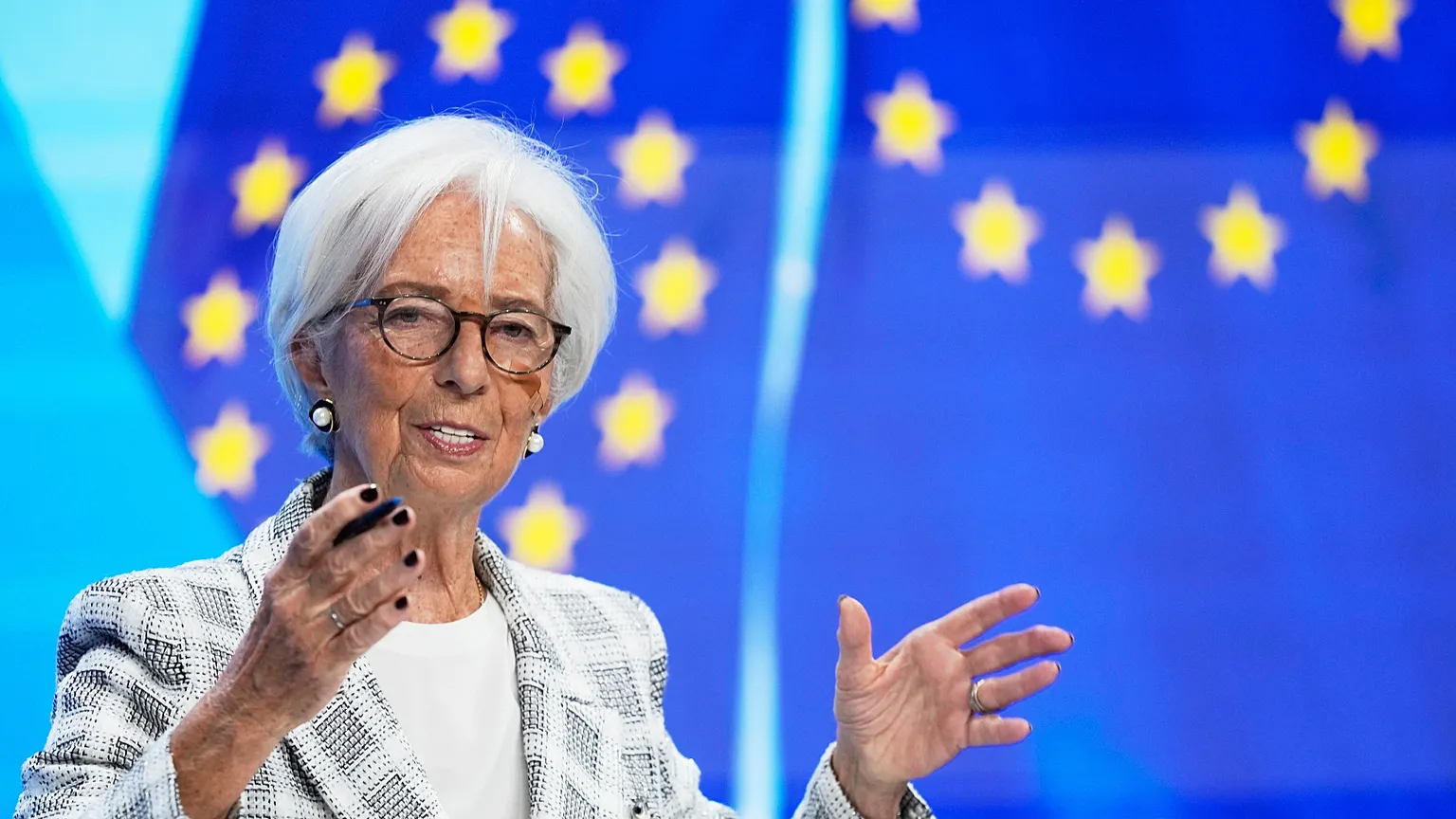
Europe’s leading central banker faces a political crossroads.
Paris, France
Christine Lagarde’s decision to leave the European Central Bank ahead of schedule has intensified speculation about her potential role in France’s 2027 presidential election, introducing an influential international figure into an increasingly fragmented political landscape. Although the former French economy minister has not announced a candidacy, her departure on February 7, 2027, creates an opportunity to participate in national political debates just two months before voters choose their next president.
The announcement, formally confirmed by the ECB on October 29, marks an important transition for Lagarde, whose career has included leadership of the International Monetary Fund and the eurozone’s principal monetary institution. She explained that stepping away would allow her to engage more freely in public matters beyond monetary policy, while expressing concern about political misinformation and the deterioration of democratic debate.
Her comments have attracted particular attention among France’s centrist and conservative political groups, which have struggled to identify a candidate capable of consolidating support against the country’s leading opposition movements. A November survey commissioned by Politico suggested that Lagarde could attract approximately 14% of first-round voting intentions, placing her broadly alongside former Prime Minister Édouard Philippe.
Yet these figures do not establish widespread enthusiasm for a presidential candidacy. Political analysts caution that her potential support remains concentrated among educated, economically secure and strongly pro-European voters. Her extensive international experience could strengthen perceptions of competence, but also reinforce criticism that she belongs to an established political and financial elite disconnected from everyday concerns.
The broader electoral environment presents considerable obstacles. Marine Le Pen’s National Rally and Jean-Luc Mélenchon’s France Unbowed remain influential forces, while several competing figures occupy the center and traditional right. Their fragmentation complicates efforts to build a unified electoral alternative, regardless of the credentials of any potential newcomer.
Lagarde herself has repeatedly expressed reservations about entering the race. In September, she questioned whether seeking the presidency would be appropriate, citing the physical demands and personal sacrifices associated with the office. She also previously emphasized her commitment to defending European integration without declaring an intention to become a candidate.
Her departure nevertheless creates opportunities beyond a direct presidential campaign. Lagarde could endorse a candidate, advocate a particular European economic agenda or help shape discussions surrounding France’s public finances. Such possibilities remain speculative, and she is required to preserve political neutrality until leaving the ECB.
France’s fiscal difficulties make her potential influence particularly relevant. Debates over public debt, budgetary discipline and economic reform have intensified as the government struggles to secure parliamentary support for its financial proposals. Lagarde’s institutional experience could provide authority on these questions, although expertise in monetary policy does not automatically translate into electoral appeal.
The coming months will determine whether her departure represents the beginning of a political career or an opportunity to influence public debate from outside elected office. For now, her significance lies less in an unannounced presidential ambition than in what her emergence reveals about the difficulties facing France’s political center.
Behind Every Decision, a Larger Consequence.