

 Phoenix 24
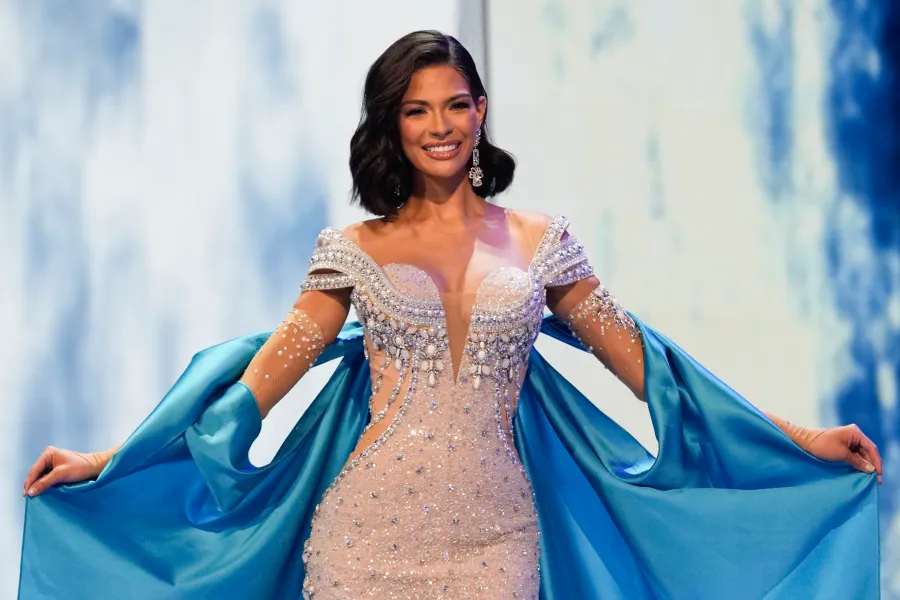
An extraordinary crown became a symbol of national division.
Managua, Nicaragua
Three years after becoming the first Nicaraguan woman to win Miss Universe, Sheynnis Palacios remains unable to celebrate her historic achievement in her homeland, where political tensions surrounding her victory continue to shape her public story. The former beauty queen commemorated the anniversary of her November 18, 2023, coronation with messages of gratitude to supporters who have sustained her international recognition. Yet the occasion also revived questions about political repression, national identity and the circumstances that have kept her outside Nicaragua throughout the three years since her triumph.
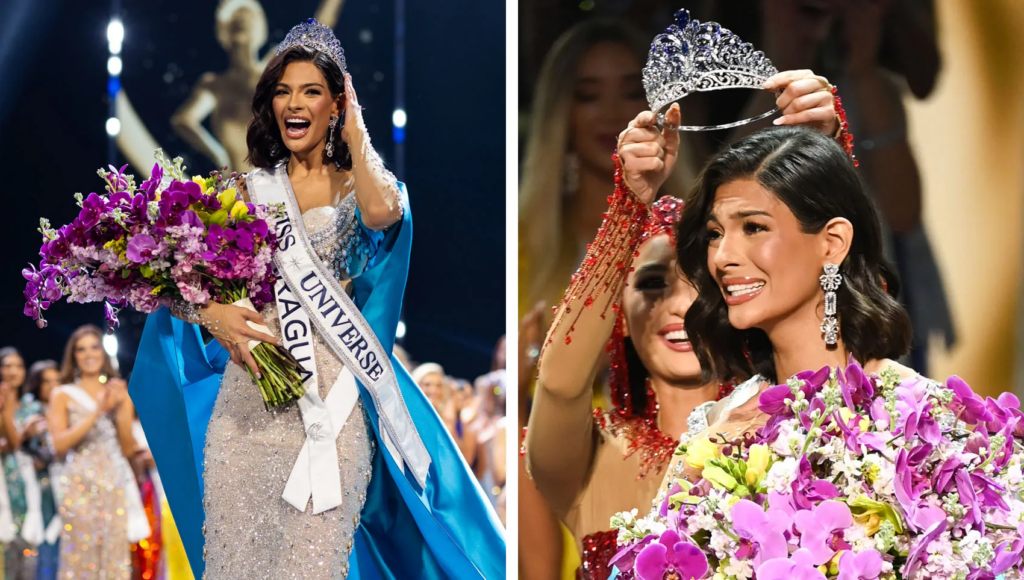
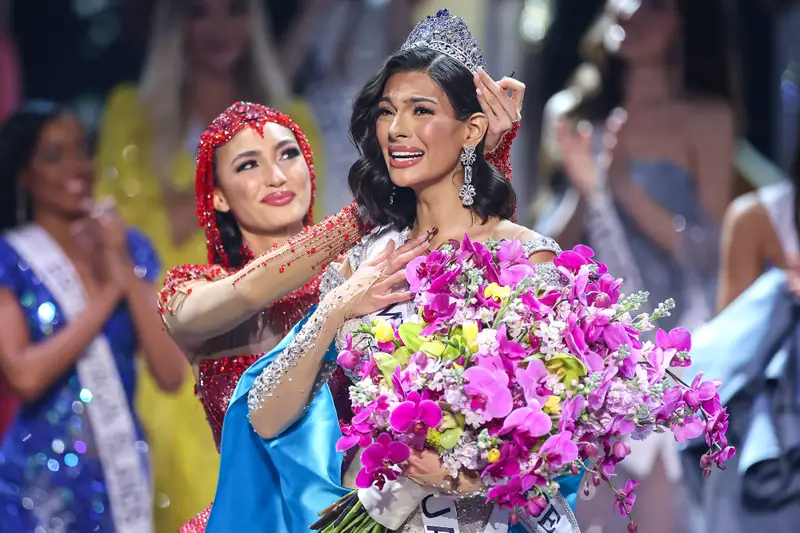
Palacios made history at the 72nd Miss Universe competition in San Salvador, El Salvador, becoming the first Central American woman to win the title outright during the final ceremony. Her victory generated spontaneous celebrations across Nicaragua, where thousands of citizens gathered in public spaces carrying the country’s blue-and-white national flag. What began as an extraordinary moment of collective pride soon acquired political significance in a country where independent demonstrations had faced severe restrictions since the protests of 2018.
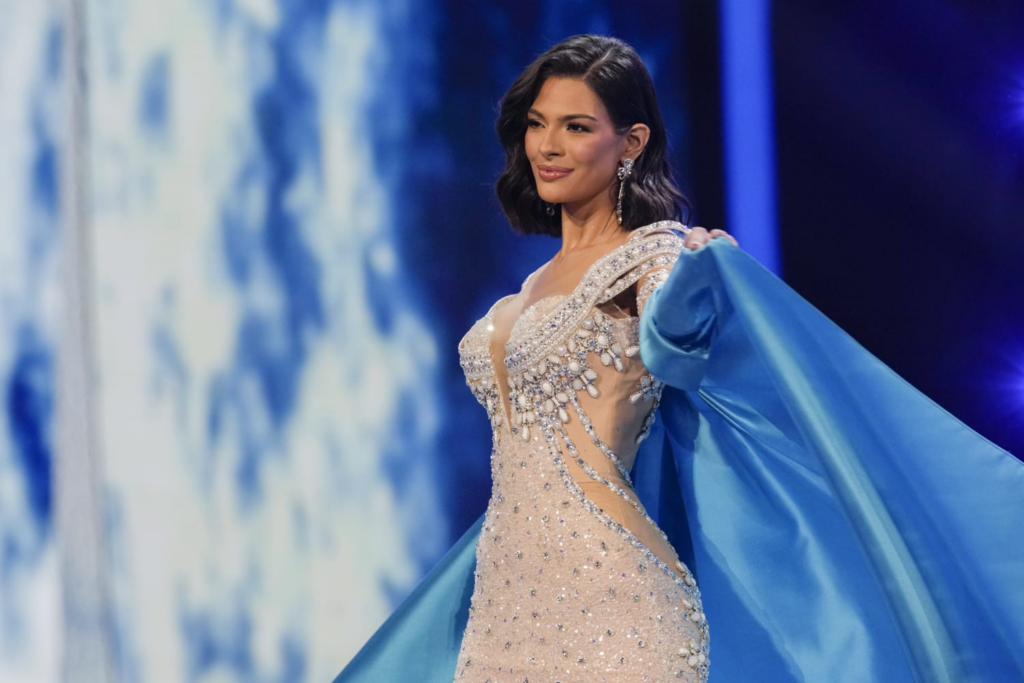
The celebrations presented an unexpected challenge for the government of Daniel Ortega and Rosario Murillo. Although authorities initially welcomed the international recognition, official rhetoric changed as opposition supporters embraced Palacios as a symbol of national hope. Photographs associated with her participation in the 2018 antigovernment demonstrations circulated widely, connecting the newly crowned Miss Universe with a political movement that the authorities had previously condemned.
The consequences became particularly visible within the organization responsible for Nicaragua’s participation in the international competition. Karen Celebertti, then director of the Miss Nicaragua franchise, was prevented from returning to the country shortly after the coronation. Nicaraguan police subsequently accused her and members of her family of conspiracy and other offenses connected to alleged attempts to destabilize the government, accusations that emerged within the broader political conflict surrounding the 2018 demonstrations.
Celebertti’s husband and son were detained before subsequently leaving Nicaragua, while the national pageant organization ceased operating under its previous structure. These developments transformed what would ordinarily have been a period of celebration and professional opportunity into an episode marked by institutional pressure and political confrontation. The government maintained that its actions concerned alleged unlawful activities, while independent reporting connected the measures to its response to the public enthusiasm surrounding Palacios.
The uncertainty eventually extended to the former Miss Universe and her relatives. In May 2024, Anne Jakrajutatip, then a leading figure in the Miss Universe organization, publicly described Palacios and her family as living in indefinite exile. Reports confirmed that members of her immediate family had left Nicaragua and reunited with her in the United States, further deepening the personal consequences associated with the controversy.
Nevertheless, an important distinction emerged in September 2026 when Palacios addressed her situation during an interview with Telemundo. She clarified that she had never received formal notification prohibiting her entry into Nicaragua and had not personally attempted to return since winning the crown. Her statements complicate descriptions of a legally established entry ban against her, even as the documented restrictions imposed on other pageant figures and her prolonged absence remain central to the story.
The distinction matters for understanding both the personal and political dimensions of her circumstances. Palacios has not returned to Nicaragua since her coronation, but the available evidence does not establish that authorities have formally denied her entry. Her experience therefore illustrates how political uncertainty and the treatment of people associated with a public figure can influence personal decisions even without a publicly documented individual prohibition.
Despite remaining abroad, Palacios has continued representing Nicaragua through international appearances, public engagements and activities connected to the beauty pageant industry. Her participation in the Miss Universe Nicaragua 2026 ceremony, organized in Miami, reinforced her connection with the country’s diaspora and her determination to preserve the significance of her achievement. During the event, she expressed hope that she would eventually return to celebrate with the people whose support had accompanied her throughout her career.
Her message resonated beyond the world of beauty competitions because it reflected a broader experience shared by Nicaraguans living outside their homeland. Political tensions, migration and prolonged family separation have shaped the lives of many citizens since the unrest of 2018. Within that context, Palacios’s interrupted homecoming has become an internationally visible illustration of the difficulties surrounding national belonging and political reconciliation.
The anniversary also underscores the unusual relationship between cultural achievement and political authority. International competitions can generate moments of collective identification that cross ideological and social divisions, creating opportunities for citizens to celebrate a common national identity. When such expressions become politically contested, an individual accomplishment can acquire significance far beyond the intentions of the person who achieved it.
For Palacios, the title she won in El Salvador remains a defining professional achievement. Yet its continuing significance also lies in the celebrations that never took place in Nicaragua and the hopes of a future reunion that she continues to express publicly. Three years after her coronation, her story remains connected to a question extending beyond personal recognition: whether national pride can provide common ground in a society marked by profound political divisions.
Beyond the Headlines, Accountability Matters.