

 Phoenix 24
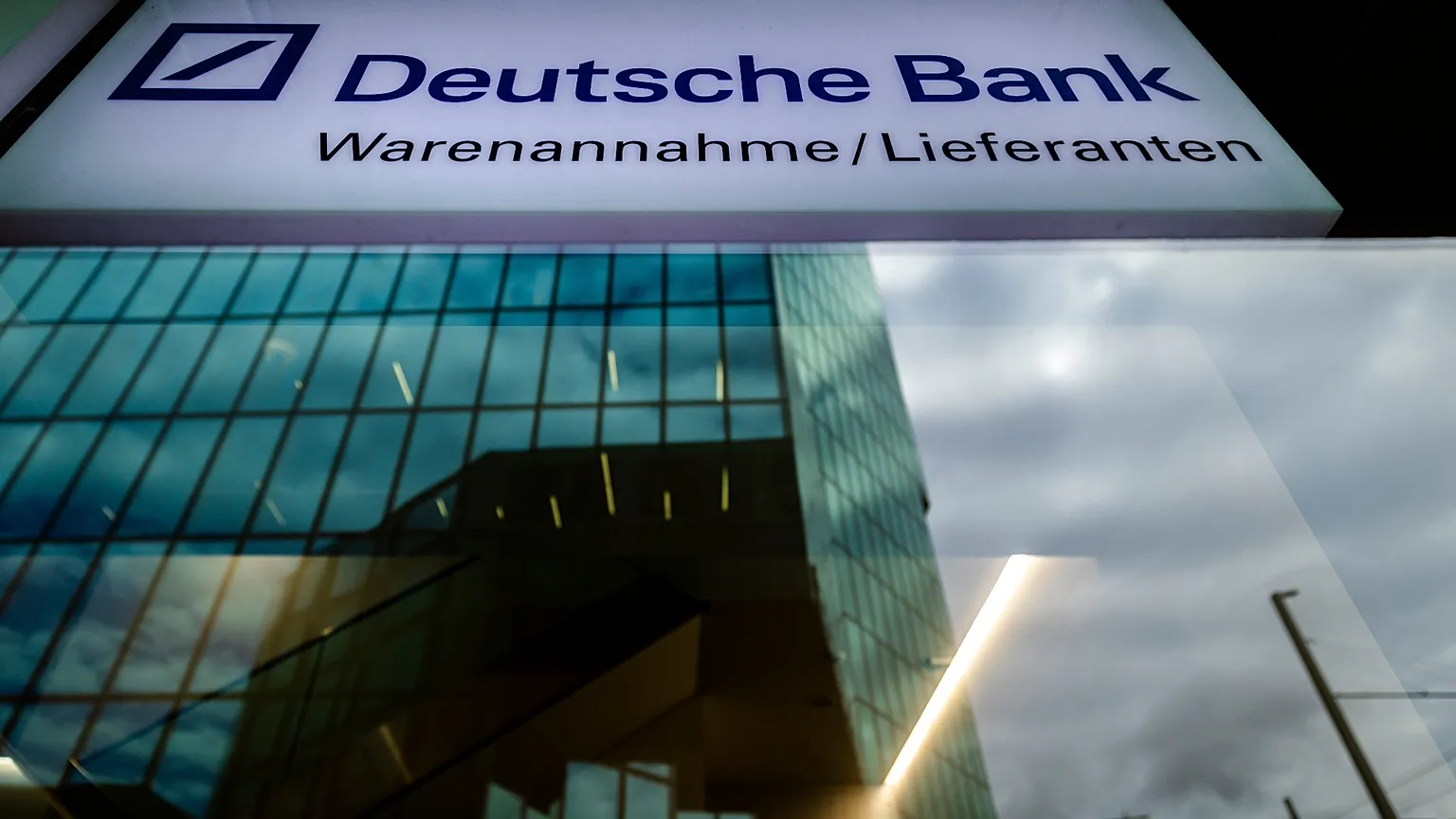
Europe’s banking giant confronts renewed questions over institutional accountability.
Frankfurt, Germany
German authorities have launched a data protection investigation into Deutsche Bank following the disclosure of more than 15 million confidential internal files, intensifying scrutiny of the country’s largest lender and raising questions about information security, regulatory compliance and corporate governance.
Alexander Rossnagel, the data protection commissioner for the German state of Hesse, confirmed that his office is examining whether Deutsche Bank maintained adequate technical and organizational safeguards to protect sensitive information. Investigators will also assess whether the institution reported the incident promptly to regulators and notified individuals whose personal data may have been affected.
The investigation follows the publication of Inside Deutsche Bank, an international journalistic project involving more than 200 reporters and over 50 media organizations. The leaked archive contains internal correspondence, compliance assessments and other confidential materials documenting the bank’s operations since the early 2010s.
According to the investigative consortium, the documents reveal potential weaknesses in internal controls concerning money laundering, international sanctions and the treatment of high-risk clients. The reporting has renewed attention to Deutsche Bank’s historical relationships with prominent figures, including Russian oligarchs, US President Donald Trump and convicted sex offender Jeffrey Epstein. Their appearance in the records does not, by itself, establish wrongdoing.
Deutsche Bank has responded by emphasizing that many of the matters described in the investigations date back several years, sometimes decades. The institution maintains that it has substantially strengthened its compliance framework, invested in technological safeguards and introduced reforms designed to address historical weaknesses.
The bank has also stated that independent security assessments found no indication that its current information technology environment had been compromised or that account information, login credentials or payment data had been accessed. It maintains that the appropriate authorities were proactively informed about the disclosure.
Nevertheless, the regulatory inquiry introduces a separate dimension of accountability. Rather than determining the validity of every allegation contained in the leaked documents, Hesse’s data protection authority will examine whether the institution fulfilled its legal obligations to safeguard information and respond appropriately to the incident.
The distinction is particularly important under the European Union’s General Data Protection Regulation, which establishes requirements for protecting personal information and reporting qualifying data breaches. Potential enforcement measures would depend on the regulator’s findings, the applicable legal provisions and the circumstances established during the investigation.
The controversy also exposes a broader vulnerability within international banking. Financial institutions depend on extensive repositories of confidential information, often involving complex relationships among clients, regulators, compliance personnel and external service providers. Protecting those records requires more than technological defenses; it also depends on effective governance, internal oversight and organizational accountability.
For Deutsche Bank, the consequences may extend beyond the immediate regulatory process. Continued scrutiny could affect public confidence, investor perceptions and the institution’s efforts to demonstrate that its historical compliance problems have been meaningfully addressed.
The investigation remains at an early stage, and no definitive regulatory finding of a data protection violation has been announced. Its outcome will help determine whether the disclosure represents a failure of established safeguards or an incident that occurred despite appropriate protective measures.
Beyond the Headlines, Accountability Matters.