

 Phoenix 24
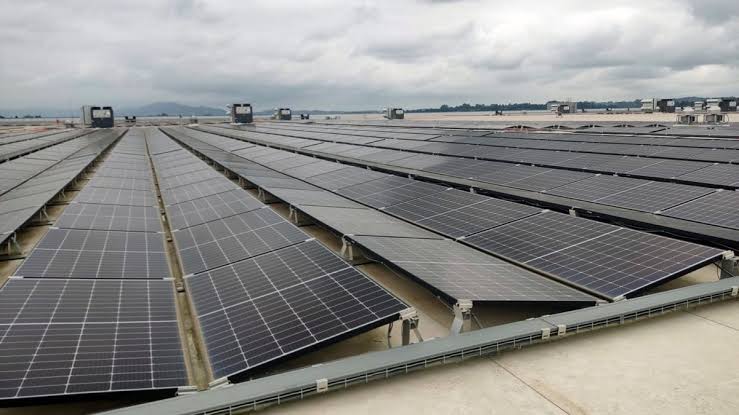
The technology giant is reshaping its energy strategy.
New Delhi, India
Amazon has announced plans to invest an additional $7 billion in renewable energy projects across India by 2030, reinforcing its role as a major corporate buyer of clean electricity. The commitment builds on approximately $4 billion in previously contracted investments and reflects the growing importance of reliable power supplies for digital infrastructure, logistics and commercial operations.
The announcement comes as India pursues its ambitious target of reaching 500 gigawatts of non-fossil electricity generation capacity by 2030. Achieving that objective will require substantial investment in renewable generation, transmission networks and supporting infrastructure. For multinational corporations, participation in this transition offers opportunities to secure long-term electricity supplies while contributing to national energy priorities.
Amazon has also announced four utility-scale wind and solar projects representing 934 megawatts of generation capacity. These include a 234-megawatt wind farm and a 200-megawatt hybrid solar and wind development in Karnataka, alongside a 300-megawatt solar installation in Madhya Pradesh and another 200-megawatt solar project in Rajasthan. The Karnataka wind development is expected to become Amazon’s largest contracted wind project in Asia.
These developments form part of the company’s previously contracted renewable energy portfolio rather than representing projects already completed under the newly announced investment commitment. Once its existing contracted projects become operational, their combined generating capacity is expected to exceed two gigawatts, equivalent to the annual electricity requirements of more than 3.5 million Indian households.
The investment model relies substantially on long-term power purchase agreements, enabling Amazon to secure renewable electricity while providing developers with greater financial predictability. Such arrangements can facilitate infrastructure financing, stimulate project construction and strengthen the commercial foundations of India’s renewable energy sector.
The expansion also aligns with Amazon’s environmental commitments, including its objective of reducing the carbon intensity of electricity powering its operations by 65% by 2030, compared with its 2019 baseline. The company’s broader ambition remains achieving net-zero carbon emissions by 2040, although progress will ultimately depend on measurable reductions across its operations and supply chains.
Amazon reports that its Indian renewable energy portfolio includes 14 utility-scale wind and solar projects and 43 on-site solar installations. The investments gain additional strategic relevance as artificial intelligence, cloud computing and data processing increase the electricity requirements of global technology infrastructure.
For India, the economic significance extends beyond corporate energy procurement. Large-scale commitments can encourage private financing, support renewable energy development and strengthen the country’s position as an increasingly important destination for sustainable infrastructure investment. Nevertheless, announced expenditures must translate into operational generation capacity before their full environmental and economic benefits can be established.
Amazon’s strategy illustrates how renewable electricity is becoming an essential component of corporate competitiveness. As digital technologies place greater demands on power systems, the ability to secure dependable, lower-carbon energy increasingly influences investment decisions, operational resilience and long-term business planning.
Beyond the Numbers, the Consequences.