

 Phoenix 24
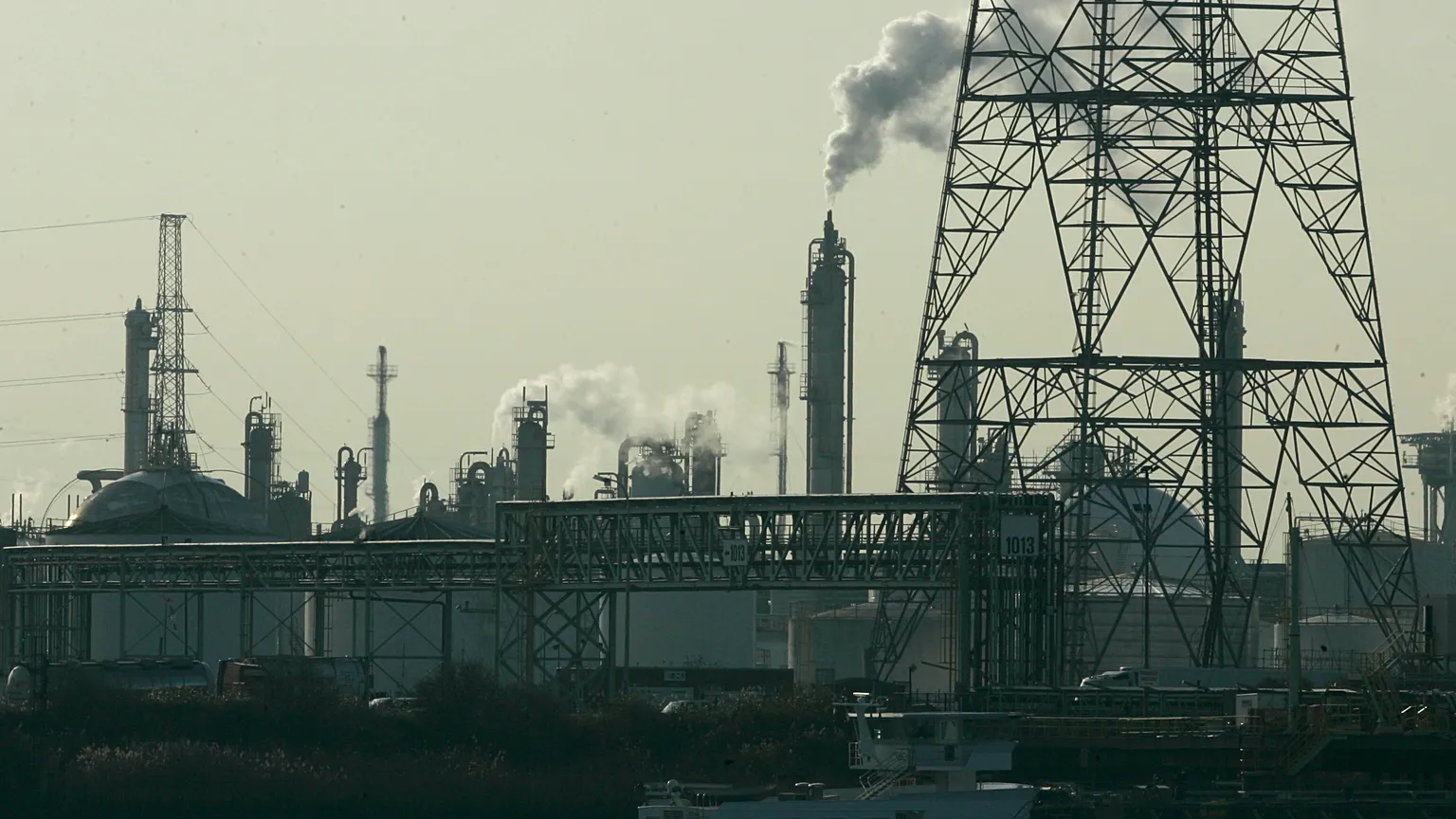
A legal confrontation tests who pays for decarbonization.
BRUSSELS, Belgium. ExxonMobil has launched legal proceedings against the European Union over regulations requiring major oil and gas producers to help develop carbon dioxide storage infrastructure. The dispute challenges a central element of Europe’s industrial decarbonization strategy and raises questions about how governments can distribute the financial responsibilities associated with the energy transition.
Three ExxonMobil subsidiaries registered in Belgium, Luxembourg and the Netherlands have initiated arbitration under the Energy Charter Treaty, invoking international investment protection rules. The proceedings target provisions of the EU’s Net-Zero Industry Act, which establishes a collective target of at least 50 million tonnes of annual carbon dioxide injection capacity by the end of 2030.
Under the legislation, 44 major oil and gas producers must contribute to developing the required storage infrastructure. Smaller operators meeting specified exemption criteria are excluded.
ExxonMobil argues that the obligations impose unrealistic deadlines and substantial financial burdens because Europe’s carbon capture, transportation and storage markets remain insufficiently developed. The company also contends that the regulations violate investment protections concerning fair treatment, discrimination and expropriation.
The company is seeking provisional measures that would suspend the contested obligations for its affected subsidiaries while the arbitration proceeds. No ruling on the merits has been announced.
The European Commission, meanwhile, maintains that carbon capture and storage will be necessary to reduce emissions from industries such as cement, steel and chemicals, where eliminating carbon dioxide through electrification or renewable energy alone remains difficult.
Yet significant infrastructure challenges persist. Current European carbon injection capacity stands at approximately 3.54 million tonnes annually, while projected capacity reaches only 27.1 million tonnes, leaving a substantial gap against the 2030 target.
The dispute also highlights disagreements about the economic viability of carbon capture technology. Supporters consider it essential for industrial decarbonization, while critics question its costs, scalability and potential to prolong dependence on fossil fuels.
Environmental organization Bellona has warned that investment arbitration could undermine climate legislation by allowing energy companies to challenge regulatory obligations through international legal mechanisms.
The European Commission is preparing its response but has not disclosed the potential financial exposure associated with the proceedings. ExxonMobil’s requested compensation, if any, has also not been publicly specified.
Beyond the immediate legal dispute, the case could influence how European governments finance low-carbon infrastructure and determine the responsibilities of established energy producers.
The underlying question extends beyond carbon storage: whether the financial burden of industrial transformation should fall primarily on governments, consumers or companies whose activities have contributed to greenhouse gas emissions.
Beyond the Headlines, Accountability Matters.