

 Phoenix 24
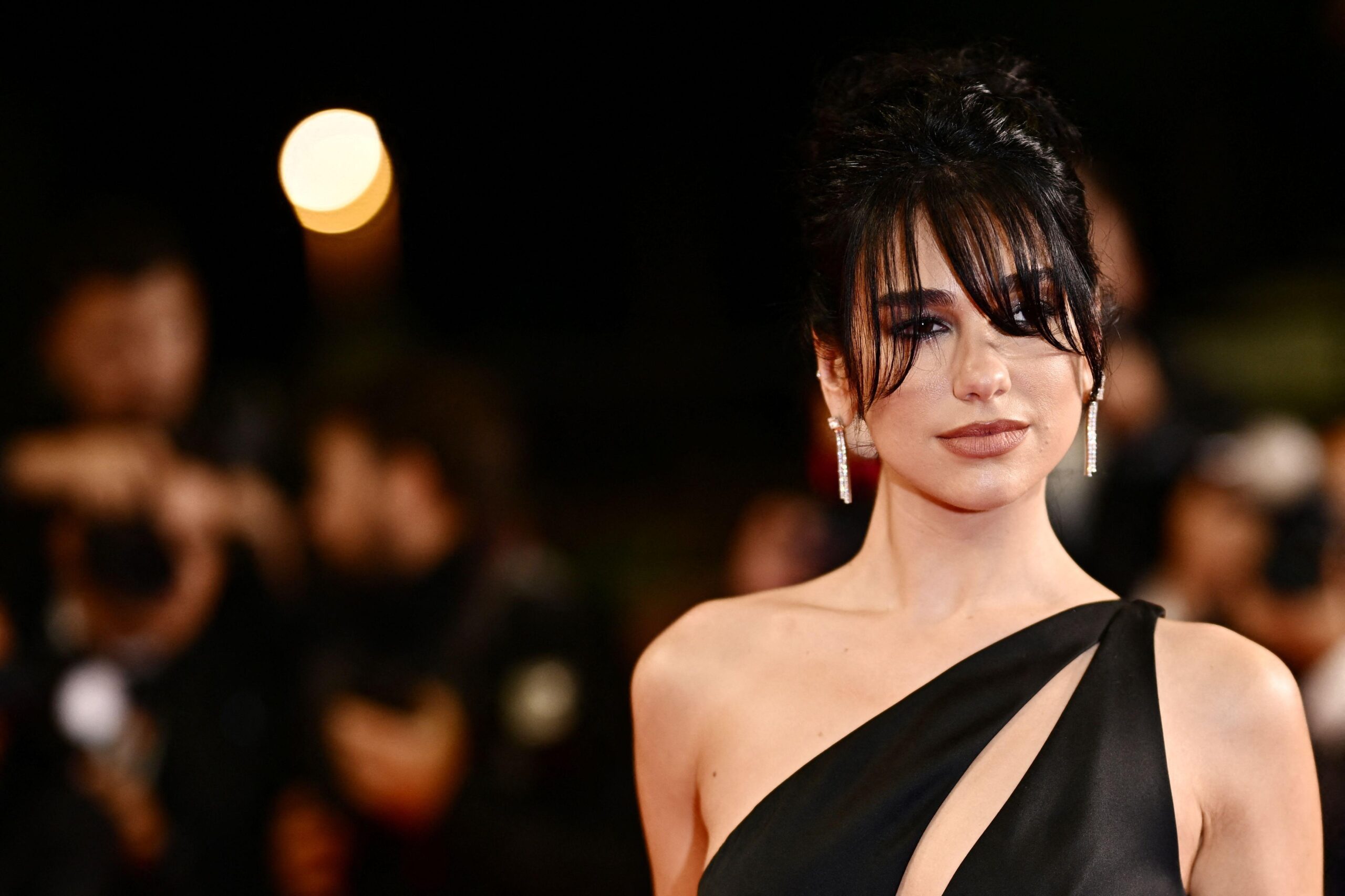
A legal settlement closes a chapter in pop music.
LOS ANGELES, California. British pop star Dua Lipa has resolved the last remaining copyright lawsuit involving her global hit Levitating, ending a three-year legal dispute with musician and producer Bosko Kante. The agreement, formalized in a Los Angeles federal court on November 9, concludes a series of legal challenges surrounding one of the singer’s most commercially successful recordings.
Kante filed his lawsuit in 2023 against Dua Lipa, Warner Records and producer Stephen “Koz” Kozmeniuk, alleging that his recorded performance had been incorporated into several remixes without authorization.
The musician, known for developing the ElectroSpit vocal effects device, contributed a distinctive talk-box performance to the original recording in 2019. According to his complaint, the initial licensing arrangement permitted its use in the original song but did not authorize subsequent adaptations, including the commercially successful remix featuring rapper DaBaby.
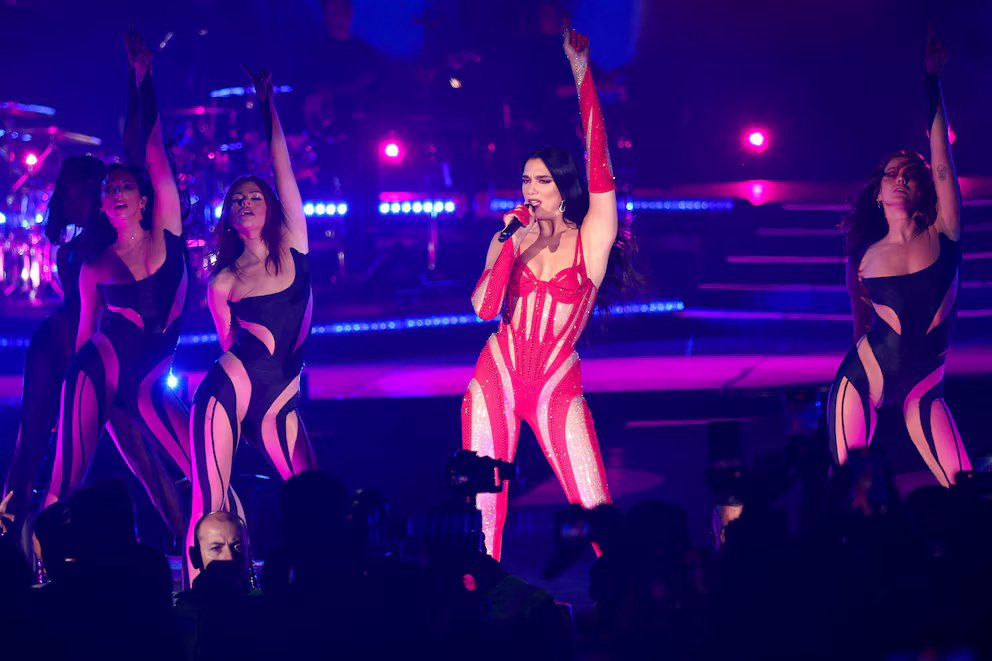
The dispute focused on the scope of that permission and whether the later recordings infringed Kante’s intellectual property or violated contractual obligations.
Attorneys representing both parties filed a joint dismissal, permanently closing the proceedings. Each side agreed to cover its own legal expenses, while the financial terms of the settlement remain confidential.
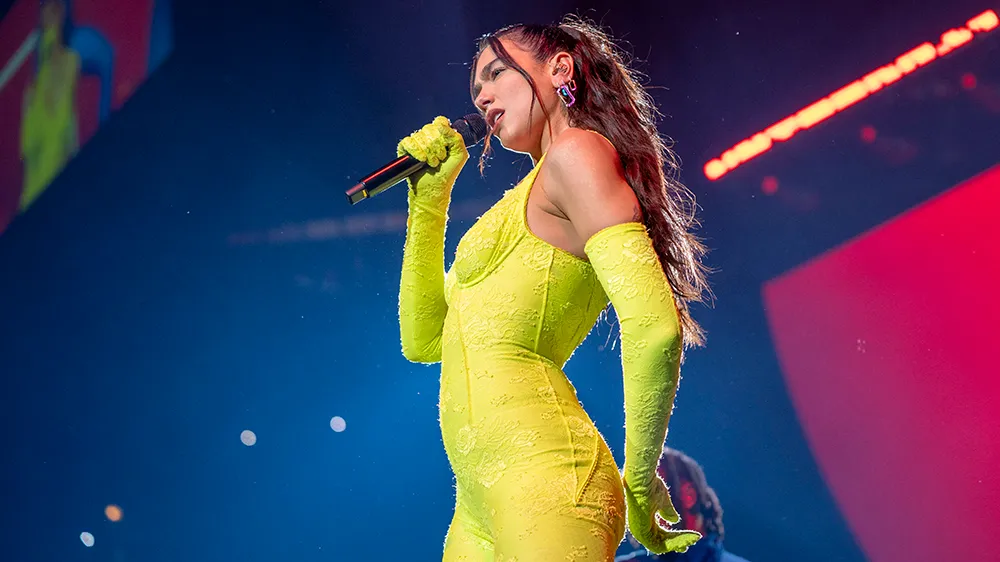
Importantly, the agreement does not constitute a judicial determination that copyright infringement occurred. No court ruling established liability in the dispute.
Kante’s attorney, Na’il Benjamin, confirmed the resolution and emphasized the importance of recognizing the contributions of musicians whose work supports commercially successful recordings.
The settlement also concludes a broader series of copyright disputes involving Levitating. In 2022, reggae band Artikal Sound System alleged similarities between the song and its recording Live Your Life. That lawsuit was dismissed after the plaintiffs failed to establish that Dua Lipa’s collaborators had access to their composition.
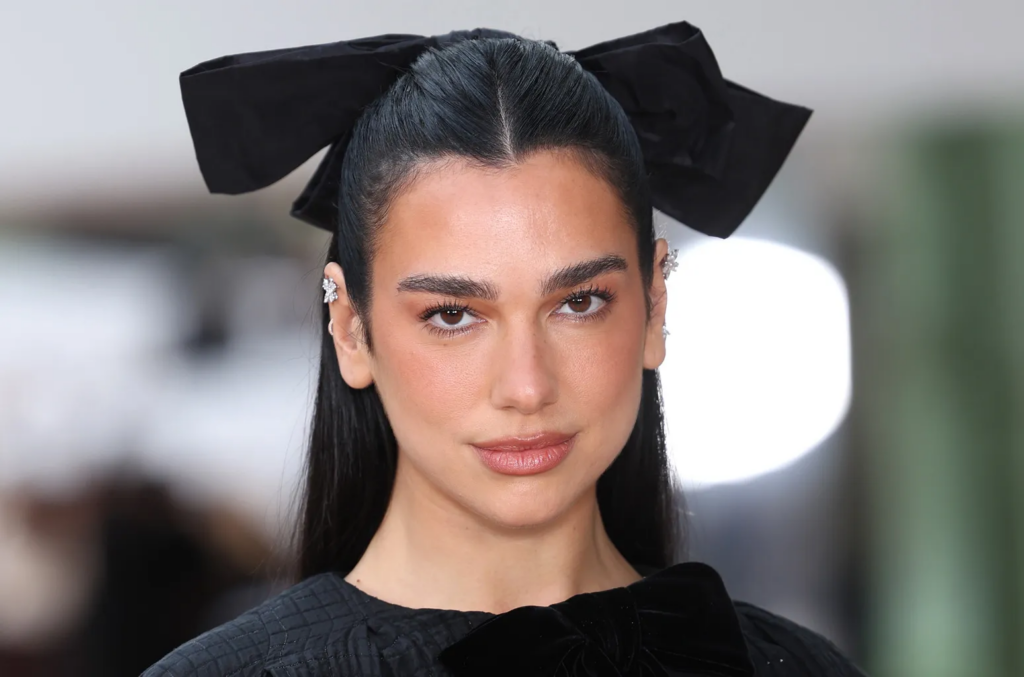
Another case, brought by songwriters L. Russell Brown and Sandy Linzer, alleged similarities with their 1979 disco recording Wiggle and Giggle All Night. A federal judge dismissed that lawsuit in March 2025, finding insufficient musical similarity to support the claims.
Released in 2020 as part of the album Future Nostalgia, Levitating reached No. 2 on the Billboard Hot 100 and remained on the chart for 77 weeks. It also topped Billboard’s year-end Hot 100 ranking for 2021.
The case illustrates an enduring challenge in contemporary music production: determining how licensing agreements apply when original recordings are subsequently modified, remixed or commercially redistributed.
For artists and producers, the resolution reinforces the importance of clearly defining recording permissions and compensation arrangements before musical contributions reach international audiences.
Beyond the Headlines, Accountability Matters.