

 Phoenix 24
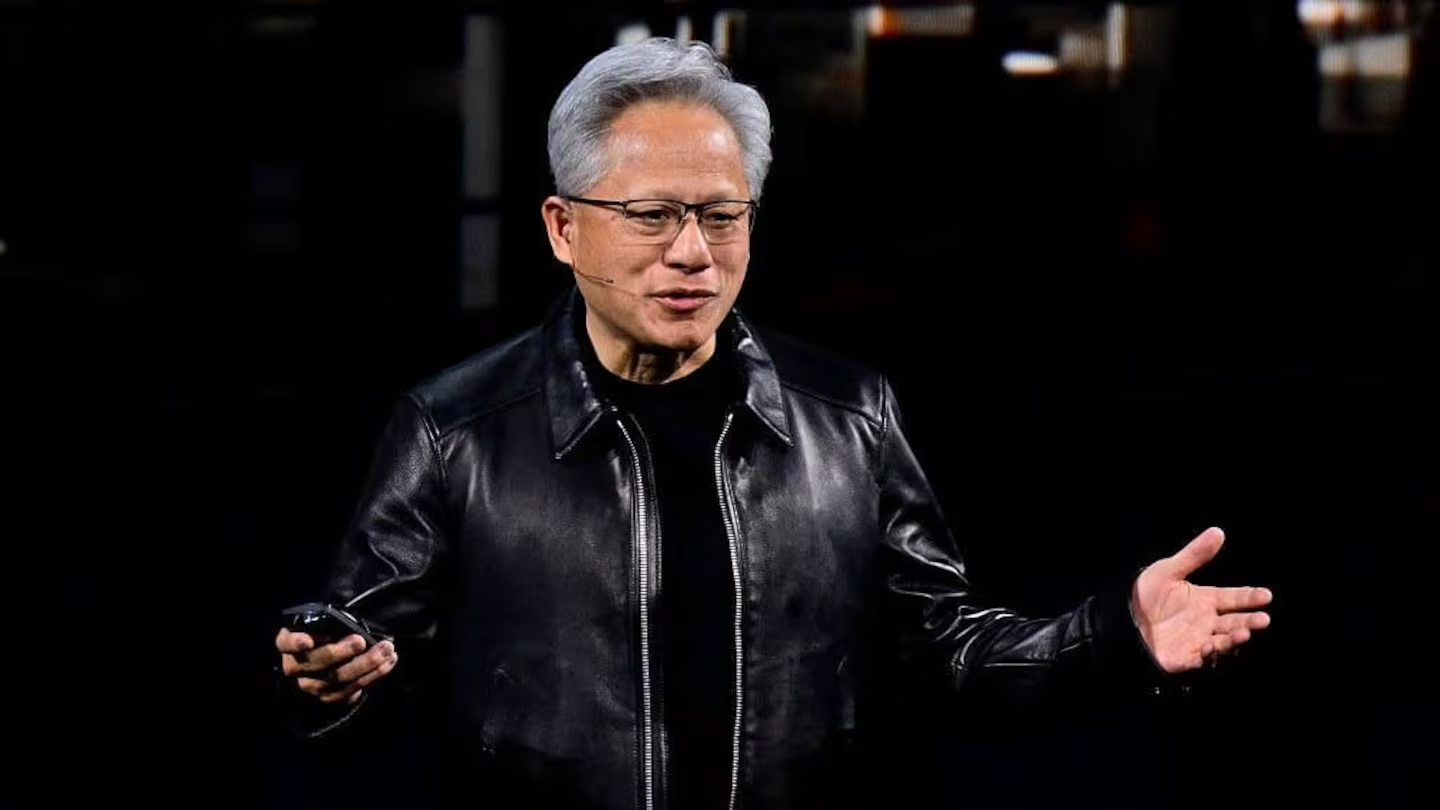
Leadership uncertainty exposes the risks behind AI valuations.
SANTA CLARA, California. Nvidia’s shares came under heavy selling pressure after reports that its board was considering removing co-founder Jensen Huang as chief executive, triggering a wider reassessment of leadership risk across the artificial intelligence industry. The initial market turmoil, which sent the semiconductor company’s stock down more than 8% in after-hours trading, preceded confirmation that Huang had resigned and Chief Financial Officer Colette Kress would assume the role of interim CEO.
The volatility marked a reversal from the previous regular trading session, when Nvidia shares had gained 2.9% to close at $173.73. Investors reacted to reports that directors were evaluating Huang’s future following allegations involving personal relationships and concerns about possible exposure of sensitive corporate information.
The Wall Street Journal reported that Nvidia’s board was preparing to remove Huang, while Reuters subsequently confirmed that directors had convened to consider his position. The developments followed an internal investigation announced earlier in the week.
The controversy included allegations concerning Huang’s relationship with a former executive associated with Singapore-based data center company Megaspeed International, which has faced scrutiny over potential transfers of advanced computing technology to China. Separate reporting identified another alleged relationship involving a Nvidia executive.
These allegations raised corporate governance and national security questions, although no established finding demonstrates that Huang knowingly disclosed protected technology or compromised American security interests. Nvidia previously stated that it had no reason to believe company secrets or national security had been jeopardized.
The company’s leadership transition has nevertheless intensified uncertainty about the strategic direction of one of the world’s most influential semiconductor manufacturers.
Huang co-founded Nvidia in 1993 and oversaw its transformation from a graphics processing specialist into a central supplier of computing infrastructure for generative artificial intelligence. His influence extended beyond product development to relationships with major technology companies, cloud computing providers and international governments.
That unusually concentrated leadership role has become an important consideration for investors assessing the company’s future.
The financial consequences of the controversy have been substantial. Reuters reported that Nvidia’s market capitalization had declined by approximately $600 billion since the beginning of the investigation, illustrating how quickly uncertainty surrounding corporate leadership can affect valuations in highly concentrated technology markets.
Asian financial markets also registered losses as investors reconsidered their exposure to artificial intelligence companies. Taiwan’s Taiex declined 2.6% during Thursday morning trading, while Hong Kong’s Hang Seng fell 1.2% and Japan’s Nikkei 225 lost 0.7%.
The broader reaction reflected concerns about the interdependence of companies involved in artificial intelligence infrastructure. Nvidia supplies processors used by data center operators, cloud computing providers and technology developers whose investment strategies depend partly on the continued expansion of advanced computing capacity.
However, a decline in Nvidia’s share price does not necessarily indicate reduced demand for its products. Market valuations respond to expectations about future earnings, corporate governance, competitive positioning and the credibility of management strategies.
The leadership transition introduces additional uncertainty before the company’s scheduled November 17 earnings announcement. Investors will be evaluating financial performance alongside questions about succession planning, regulatory exposure and the continuity of Nvidia’s relationships with major customers.
Colette Kress, Nvidia’s finance chief since 2013, has assumed interim leadership while the board searches for a permanent successor. Her appointment provides management continuity, although the company must still determine how to distribute responsibilities previously associated with Huang’s central role.
The situation also highlights a structural vulnerability in the technology industry: companies can develop extraordinary commercial influence while remaining closely associated with the vision and decision-making authority of individual founders.
For Nvidia, the immediate challenge is maintaining confidence in its technological roadmap and commercial commitments. For financial markets, the episode demonstrates that enthusiasm surrounding artificial intelligence does not eliminate conventional risks involving corporate governance, executive succession and investor expectations.
The company’s technological position remains significant, but its future valuation will depend increasingly on whether institutional leadership can sustain the strategy and relationships that supported its expansion.
Beyond the Numbers, the Consequences.