

 Phoenix 24
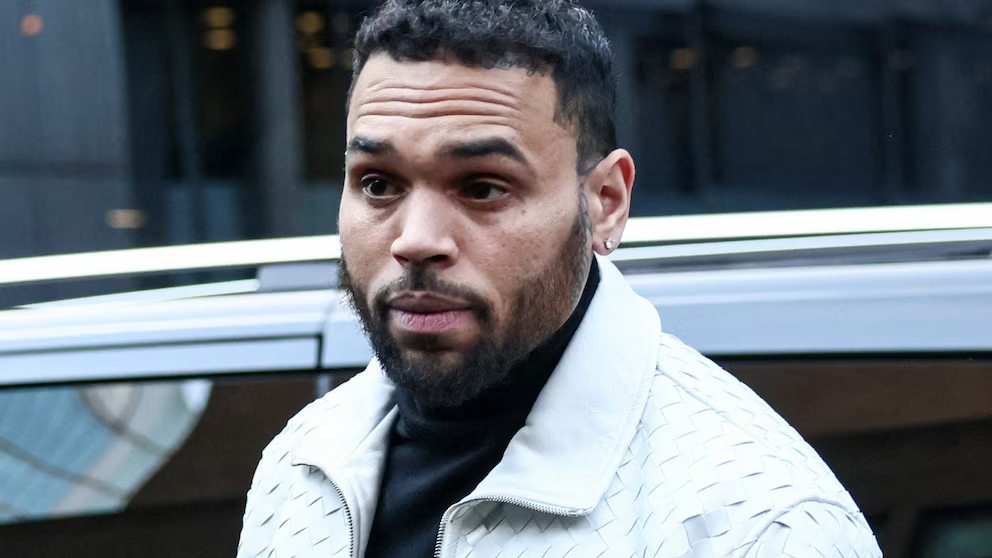
A suspended sentence closes a criminal case involving a music producer.
LONDON
American R&B singer Chris Brown has received an eight-month prison sentence, suspended for one year, after pleading guilty to a public-order offense arising from a violent confrontation at a London nightclub in 2023. The ruling allows the Grammy-winning performer to avoid immediate imprisonment while leaving his criminal conviction and the conditions of his sentence in force.
Judge Tony Baumgartner delivered the decision at Southwark Crown Court on October 26, following Brown’s guilty plea in July to a charge of affray under English criminal law.
The case concerned an attack on music producer Abraham Diaw at Tape, a private nightclub in London’s Mayfair district, on February 19, 2023.
According to the Crown Prosecution Service, Brown struck Diaw twice in the head with a glass tequila bottle. His vocal coach, Omololu Akinlolu, subsequently joined the confrontation, punching the victim as he attempted to escape.
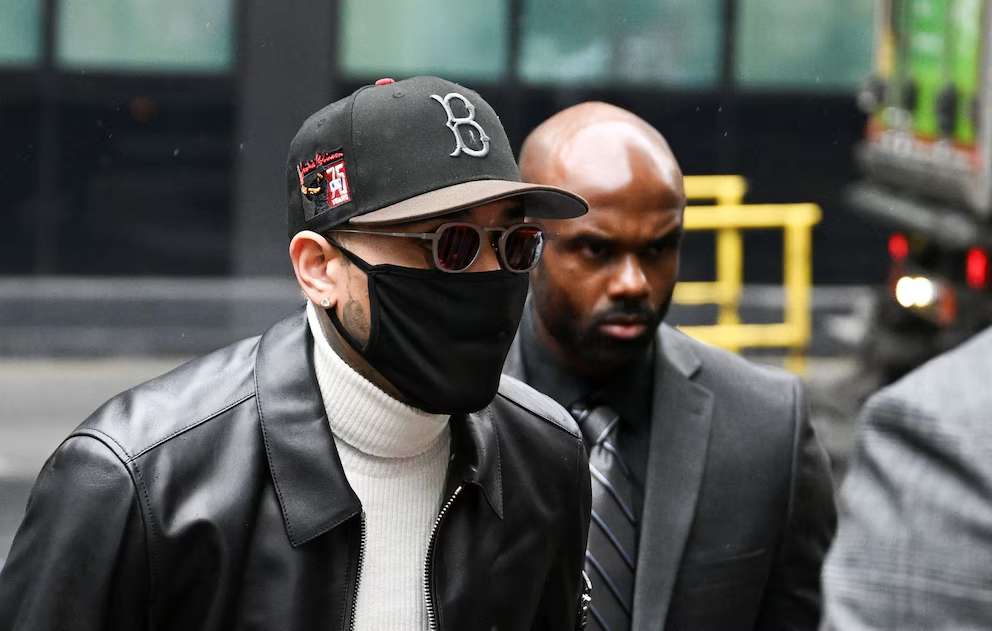
The court heard that the violence continued while Diaw was on the floor. He later received hospital treatment for injuries to his head and knees.
Akinlolu also pleaded guilty to affray and received a four-month prison sentence, suspended for twelve months. Both men were ordered to pay £1,500 in legal costs.
The judge described the use of a glass bottle against someone’s head as dangerous, emphasizing the risk of injuries more serious than those ultimately sustained.
However, the court considered mitigating circumstances, including Brown’s guilty plea, employment, charitable activities and his conduct in recent years.
The suspended sentence means Brown will not serve the eight-month prison term immediately. The court may activate the sentence if he commits another offense or breaches applicable conditions during the suspension period.
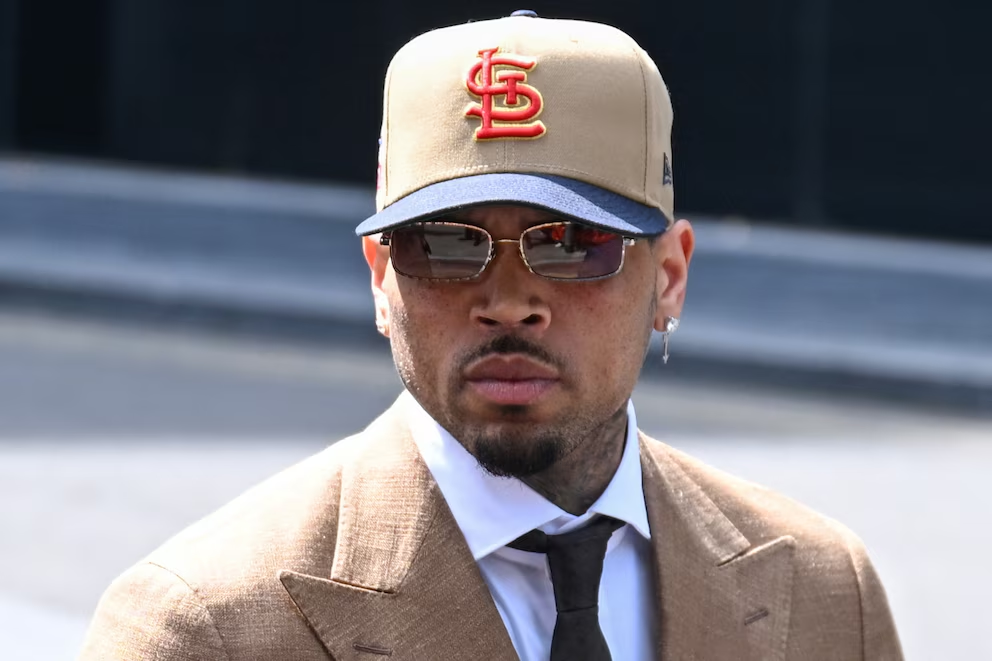
Prosecutors withdrew other charges, including attempted grievous bodily harm and possession of an offensive weapon, following the guilty pleas.
Brown was arrested in Manchester in May 2025 after returning to Britain for a concert, more than two years after the nightclub incident.
The ruling brings a significant stage of the criminal proceedings to a close, although a suspended sentence should not be confused with an acquittal or the cancellation of a conviction.
The case has also renewed attention to Brown’s previous legal history. In 2009, he pleaded guilty to felony assault against singer Rihanna and received probation, community service and counseling requirements.
During Monday’s hearing, the judge emphasized that professional success and public recognition did not entitle the singer to different treatment under the law.
Outside the courthouse, Brown encountered supporters and critics, reflecting the continuing debate surrounding the relationship between celebrity, accountability and personal conduct.
The immediate legal outcome is clear: Brown has been convicted and sentenced, but his imprisonment has been suspended for twelve months.
The broader significance concerns how the justice system addresses serious violence while weighing guilty pleas, mitigating circumstances and the requirements of proportional sentencing.
Beyond the Headlines, Accountability Matters.