

 Phoenix 24
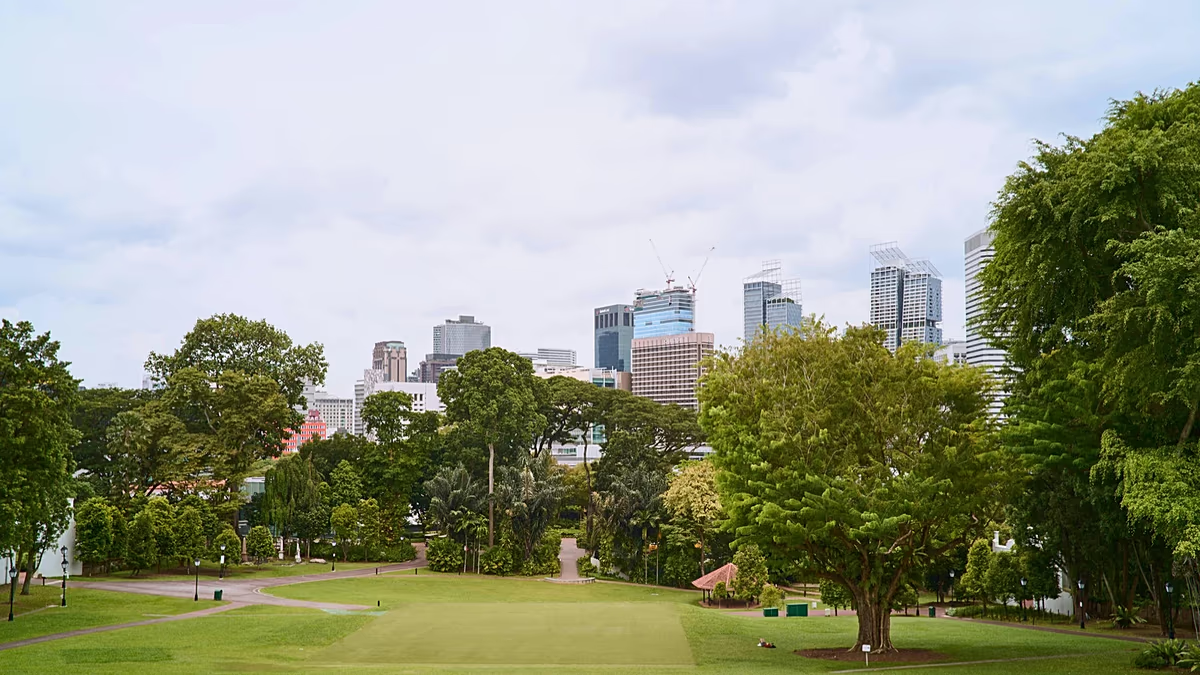
Researchers find brain health may begin closer to home.
STOCKHOLM
Living near trees, gardens and other green spaces may be associated with a lower risk of developing dementia, according to new research from Stockholm University and Sweden’s Karolinska Institute. The findings suggest that the physical environment surrounding people’s homes could play a meaningful role in long-term cognitive health, raising questions about how cities are designed for aging populations.
The study, published in the scientific journal Alzheimer’s & Dementia, followed nearly 3,000 participants over 16 years. Researchers examined vegetation surrounding their residences and tracked changes in cognitive health, including the development of dementia.
The analysis identified an association between greater residential greenery and an approximately 20% lower risk of dementia. The relationship was strongest for vegetation located within 100 meters of participants’ homes and became weaker as the distance increased.
The findings do not establish that planting trees directly prevents dementia. Because the research was observational, other factors associated with residential environments could help explain the results.
Nevertheless, the study adds to growing scientific interest in how environmental conditions influence neurological health beyond genetics, medical treatment and individual lifestyle choices.
Cecilia Stenfors, a research leader and co-first author, emphasized the importance of immediate residential surroundings for supporting healthy aging.
Researchers identified several possible pathways through which green environments might influence brain health. Vegetation can provide opportunities for physical activity, social interaction and psychological recovery, while potentially improving sleep and reducing chronic stress.
Green spaces may also reduce exposure to environmental hazards. Trees and vegetation can moderate urban heat, while certain landscape arrangements may help limit traffic noise and exposure to air pollution.
These mechanisms remain plausible explanations rather than individually demonstrated causes of the reduced dementia risk observed in the study.
The distinction matters because dementia involves multiple biological, environmental and social influences. An association observed across a population cannot determine an individual’s future diagnosis.
The research nevertheless has implications for public policy. Urban planning decisions influence how easily residents can encounter natural environments, particularly older adults who may have limited mobility or fewer opportunities to travel.
Accessible neighborhood greenery could therefore become one consideration in planning healthier residential environments, alongside transportation, housing quality and healthcare services.
The potential public-health significance is considerable. An estimated nine million people were living with dementia in the European Union in 2025, with projections suggesting that the figure could exceed 14 million by 2050.
Those estimates highlight growing demand for prevention research and healthcare services as European populations age.
The findings also introduce an equity question. Access to trees, parks and safe outdoor areas varies between neighborhoods, often reflecting differences in income, housing conditions and municipal investment.
If future research confirms that nearby vegetation contributes independently to cognitive health, unequal access could become an additional concern for urban health policy.
For now, the Swedish study provides evidence of a meaningful relationship, not proof of a preventive intervention. Further investigations will be necessary to establish how much of the observed association can be attributed directly to greenery.
The broader implication is that brain health may be influenced by more than personal medical decisions. The ordinary surroundings of residential life could also matter over decades.
When Evidence Speaks, Narratives Change.