

 Phoenix 24
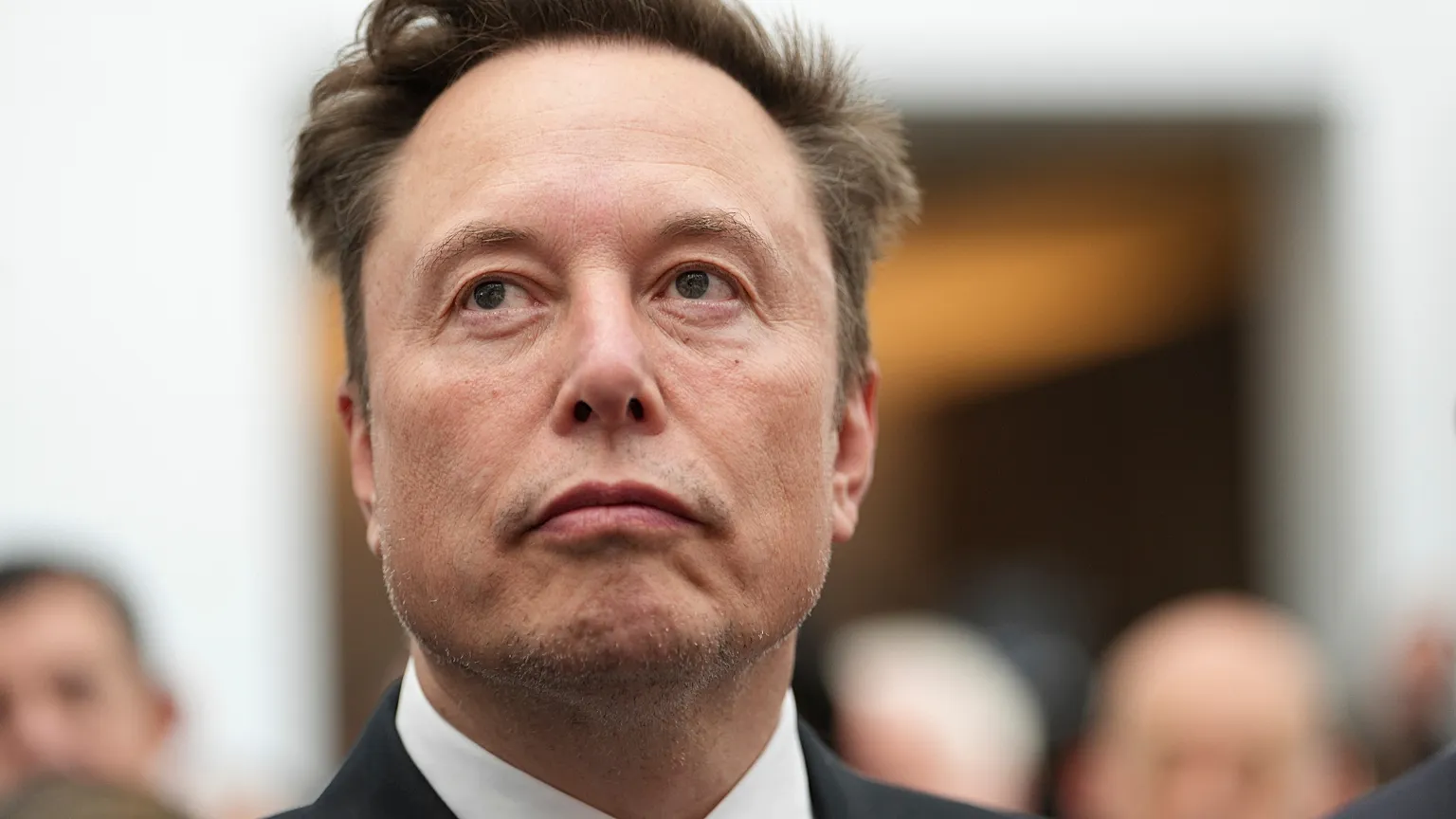
A potential $10.7 billion giveaway raises questions about ownership and execution.
NEW YORK
Elon Musk has pledged to give one SpaceX share to every child in the United States next year, an extraordinary proposal that could transfer approximately $10.7 billion in stock to millions of young Americans. The announcement has attracted attention not only because of its financial scale, but also because the billionaire has yet to explain how the shares would be distributed.
Musk made the promise on October 19 in response to a separate announcement by artificial intelligence company Anthropic, which plans to allocate 5% of its shares to a new public benefit fund, subject to shareholder approval.
Rather than channeling corporate wealth through an institutional fund, Musk suggested distributing shares directly to individuals. He subsequently committed to providing one of his own SpaceX shares to every American child in 2027.
The financial estimate is based on approximately 73 million Americans under 18 and SpaceX’s closing share price of $146.03 on the preceding Friday. Multiplying those figures produces a potential transfer valued at roughly $10.66 billion.
That amount represents a market valuation, not cash already distributed. The actual value of any future transfer would depend on the share price when the distribution occurs.
Several practical questions remain unanswered. Musk has not published eligibility criteria, specified whether residency or citizenship would determine participation, or explained how shares would be allocated to minors.
The proposal also raises administrative and legal considerations. Providing publicly traded securities to children would require a mechanism for holding the assets, establishing beneficial ownership and addressing applicable tax obligations.
SpaceX entered public markets earlier this year, creating a publicly quoted share price against which the proposed donation can be estimated. Its stock has subsequently experienced substantial volatility, illustrating why a gift of equity cannot be equated with a guaranteed financial benefit.
For families, the potential advantage would depend on the shares’ future performance and the conditions governing access or eventual sale.
The timing of Musk’s announcement also reflects a broader discussion within the technology industry about distributing some of the economic gains generated by artificial intelligence.
Anthropic’s proposed public benefit fund represents a different model. Rather than transferring shares directly to households, the company intends to dedicate a portion of its equity to an institution supporting public-interest objectives.
Both proposals emerge amid growing public concern about the pace of AI development. A recent Associated Press-NORC survey found that 64% of Americans believe artificial intelligence is advancing too quickly.
That sentiment creates pressure for technology companies to explain how innovation could benefit society beyond shareholders and corporate executives.
Nevertheless, philanthropic commitments should be evaluated separately from their public reception. An announced transfer is not equivalent to a completed donation, and its eventual consequences depend on execution, governance and financial conditions.
Musk’s proposal could become one of the largest individual share distributions associated with a technology company. For now, however, its economic significance remains conditional.
The immediate question is whether the promised shares will reach eligible children. The longer-term question concerns whether individual equity ownership can meaningfully broaden participation in wealth generated by technological innovation.
Beyond the Hype, Reality Matters.